
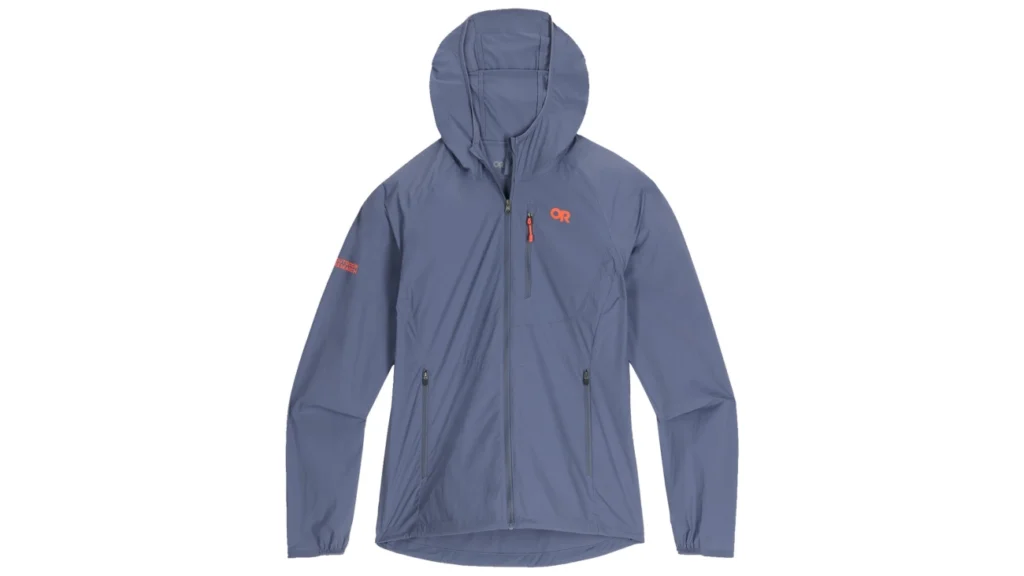
Why Gender-Specific Outdoor Apparel Matters for Female Explorers
If you’ve ever hiked all day in “unisex” gear and ended the trip sore, chafed, or constantly adjusting your pack and waistband, you already know the truth: fit is not a detail. For female explorers, top-rated outdoor apparel has to start with women-first design, not a downsized men’s template.
Key Differences: Women’s vs Unisex Outdoor Clothing
Most unisex pieces are built on a men’s block. That creates real problems on trail:
| Area | Women’s Hiking Apparel | Typical Unisex Gear |
|---|---|---|
| Hips & Seat | Curved, room to move and squat | Tight in seat, pulls at seams |
| Waist | Contoured, higher back rise | Gaps at back, slides down under a pack |
| Bust & Torso | Shaped through chest, shorter torso options | Flattens chest, bunches at shoulders |
| Shoulders | Narrower, better arm articulation | Restrictive or baggy in the upper body |
| Lengths | Multiple inseams, sleeve lengths | One length fits “most” (actually fits few) |
These differences might look small on paper, but they add up fast once you’re walking 10–15 miles with a pack.
How Poor Fit Hurts Comfort, Performance, and Safety
Bad fit isn’t just annoying—it can slow you down and put you at risk:
- Comfort: Seams rubbing at inner thighs, underbra band, or hip belt lines = blisters and chafing by midday.
- Performance: Too-tight knees or hips mean short steps, sloppy scrambling, and faster fatigue.
- Safety: Jackets that ride up, sleeves that won’t seal, or pants that slide down can expose skin to cold, wind, and sun when you need protection the most.
When your clothing constantly needs fixing, you’re not fully focused on route-finding, footing, or changing weather.
The “Shrink It and Pink It” Problem
A lot of so-called female-specific outdoor gear is just:
- Men’s patterns, simply made smaller
- Added pink/purple colorways
- Fewer pockets, less durability
Common frustrations I hear from women on trail:
- “My phone doesn’t fit in any pocket.”
- “The waist fits, but I can’t bend or step up onto rocks.”
- “The jacket’s long enough, but the shoulders are so tight I can’t lift my arms.”
This is exactly what I’ve worked to avoid with the women’s hiking apparel we design. The goal isn’t “cute” gear; it’s gear that lets you move like an athlete and feel like yourself.
Benefits of Female-Specific Outdoor Gear
When outdoor apparel is built around women’s anatomy and movement patterns, everything changes:
- Natural stride: Articulated knees and room in the seat let you step high, scramble, and sit without fabric fighting you.
- Secure waist, free hips: Contoured waistbands and higher back rises stay put under a pack but don’t dig into your stomach.
- Real bust shaping: Jackets and mid layers that shape around the chest stop cold air gaps and zipper strain.
- No-fuss layering: Sleeves, shoulders, and hems are cut so base, mid, and shell layers stack cleanly without bunching.
You get less adjusting, less chafe, and more energy for actual adventure.
How Better Fit Transforms Real Adventures
A few quick scenarios that show the difference:
- 15-mile summer hike: In straight-cut “unisex” pants, inner-thigh seams start burning by mile 7. With women’s softshell pants built for curves, seams sit off high-friction zones, and you finish the day focused on the view, not your skin.
- Windy alpine ridge: A boxy jacket lets wind blow up your back and flaps under your pack straps. A women’s waterproof hiking jacket with a dialed-in hem and hood seals out gusts and keeps your core warm and stable.
- Three-day backpacking trip: Poorly fitted waistbands and shoulder areas lead to bruises and raw spots from your pack. In women-specific base and mid layers, pressure distributes more evenly, and you’re not taping hot spots every night.
Top-rated outdoor apparel specifically designed for female explorers is not a luxury; it’s essential gear. When your clothing finally matches your body and your goals, you move better, stay safer, and actually enjoy the miles you worked so hard to reach.
Core features of top-rated outdoor apparel for female explorers
When I design and choose top-rated outdoor apparel specifically designed for female explorers, I focus on function first, looks second.
Moisture-wicking & breathable fabrics
For women who run warm on the climb and chill fast on the descent, fabric is everything.
Look for:
- Moisture-wicking knits that pull sweat off your skin
- Quick-dry fabrics for back-to-back days on trail
- Breathable panels in high-sweat zones (back, underarms, waistband)
| Feature | Why it matters for women’s hiking apparel |
|---|---|
| Moisture-wicking | Cuts clamminess and post-break chills |
| Fast drying | Better comfort at camp and in town |
| Zoned breathability | Less overheating under packs and vests |
Weather protection that actually works
In the U.S., conditions flip fast—especially in the mountains. I build and pick layers that match real weather, not just the label.
- Waterproof shells (taped seams, storm hoods) for all-day rain
- Water-resistant pieces for light showers and morning dew
- Windproof fronts for ridgelines, ski tours, and bike approaches
- Breathable waterproof shells for women so you don’t feel like you’re in a trash bag
Stretch, articulation & real mobility
Female-specific outdoor gear has to move with hips, thighs, and a wider range of motion—no pulling, no gaping.
- 4-way stretch in pants, leggings, and softshells
- Articulated knees and elbows for scrambling and climbing
- Gusseted crotch and stretch panels so you can step high, sit low, and rock-hop without a second thought
Chafe-free design & soft feel
On long days, small rub points turn into big problems. I engineer durable women’s backpacking gear to feel good next to skin.
- Flat seams and tagless labels
- Soft, brushed waistbands that don’t dig in under hipbelts
- Smooth inner fabrics to prevent inner-thigh and sports bra chafe
Smart pockets & functional details
Women’s gear needs storage that works with our bodies and how we move, not just mini pockets “for show.”
- Thigh and drop-in pockets that hold a phone without bouncing
- Zipped pockets that stay usable with a pack hipbelt
- Internal mesh stash pockets in jackets for gloves, maps, or snacks
- Women’s trail running clothing with secure waistband pockets
Size-inclusive, adjustable fits
Outdoor apparel for curvy women, straight figures, and plus-size women should all have the same performance level.
- Size-inclusive outdoor pants with multiple inseam lengths
- Adjustable waistbands (internal cords, low-bulk belts, side tabs)
- Contoured rises that cover in the back and don’t cut in the front
- Fits labeled clearly: slim, regular, relaxed for easier online shopping
Sustainable & built to last
For my brand, eco-friendly women’s outdoor gear isn’t a marketing line—it’s standard.
- Recycled fabrics and PFC-free water-repellent finishes
- Responsible down or high-quality synthetic insulation
- Reinforced high-wear zones (seat, knees, cuffs) for longer life
- Designs that stay in style so you wear them for years, not seasons
When all these pieces come together, you get best women’s adventure clothing that’s comfortable, protective, and ready for every type of trail—from casual day hikes to serious alpine pushes.
Base Layers for Female Explorers
When I design top-rated outdoor apparel specifically for female explorers, I always start with base layers. If your base layer is wrong, nothing else feels right.
Why Base Layers Matter for Women
Women usually run a bit colder, heat up faster on climbs, and cool down harder on breaks. A good women’s base layer has to:
- Pull sweat off your skin fast so you don’t get clammy and chilled
- Balance warmth and breathability for all-day comfort
- Fit a real woman’s body (bust, hips, thighs) without riding up or digging in
This is the foundation of any layering system for women explorers.
Best Breathable Base Layers for Hiking & Backpacking
For most U.S. trails and backpacking trips, I recommend:
- Lightweight, moisture-wicking tops (short or long sleeve)
- Breathable leggings or long underwear bottoms that don’t sag or pinch
- Raglan or set-in sleeves that don’t rub under pack straps
Look for tags and descriptions that call out: “breathable base layers for women,” “women’s performance base layer,” “moisture-wicking hiking shirts,” and “women’s performance leggings.”
Thermal Base Layers for Cold-Weather Women
For winter hikes, snowshoeing, and women’s winter hiking outfits:
- Midweight or heavyweight tops & bottoms for real warmth
- Drop-tail hems to keep your lower back covered
- High-rise, wide waistbands that stay put under hipbelts
These become your go-to for durable women’s backpacking gear in cold conditions.
Moisture-Wicking Tops and Bottoms
To avoid chill and clamminess, focus on:
- Fast-drying fabrics (3–4 hours hanging dry is ideal)
- Mesh zones in sweat-prone areas (back, underarms, back of knees)
- Smooth, chafe-free seams in inner thighs, underarms, and around the band
This matters most on long climbs, humid hikes, and when you’re wearing a pack all day.
Merino Wool vs Synthetic for Women
Both work; it depends how you move and sweat:
-
Merino wool base layers (women’s technical merino):
- Pros: Naturally odor-resistant, soft, great temp control, ideal for multi-day trips
- Best for: Backpacking, travel, cooler temps, when you can’t wash often
-
Synthetic base layers (poly, blends):
- Pros: Usually cheaper, dries fastest, very durable
- Best for: High-sweat days, trail running, women’s mountaineering apparel, wet climates
A lot of female-specific outdoor gear works best with a merino top + synthetic bottom combo.
Choosing Base Layer Weights by Season
Use weight labels as a simple guide:
- Ultralight / Lightweight:
- Late spring to early fall
- High-output activities: trail running, fast hikes
- Midweight:
- Shoulder seasons, high-altitude hikes, cool mornings
- Most versatile for U.S. mountain states
- Heavyweight:
- Deep winter, low-activity days, very cold and dry climates
If you’re only buying one set for women’s hiking apparel, midweight, breathable, moisture-wicking base layers for women are the best all-around choice.
Mid Layers and Insulation for Women Explorers
Mid layers are your main “comfort zone” in any layering system for women explorers. They trap warmth, dump excess heat when you’re moving, and need to fit a woman’s body without bunching or gapping.
Technical Fleece for Female Hikers and Climbers
Technical fleece is my go-to for most U.S. trails and crag days:
- Best use: Cool mornings, high-output hikes, belaying, shoulder seasons
- Look for:
- Grid fleece (warmer, more breathable)
- Stretch panels for reaching and scrambling
- Women’s-specific shaping at the bust and waist
Why it matters: A women’s technical fleece that fits clean over your chest and under a pack gives steady warmth without that swampy, sweaty feel.
Lightweight Synthetic Jackets for Wet, Variable Weather
Synthetic insulated jackets are clutch in wet and mixed conditions (think PNW, Northeast shoulder seasons):
- Pros:
- Warms even when damp
- Dries fast in camp or the car
- Great as a belay jacket or rest-stop layer
- Best for:
- Women’s trail running clothing in winter
- All-day hikes with changing temps
- Backup warmth in a summit pack
Pair a lightweight women’s rain jacket or breathable waterproof shell over synthetic insulation for reliable, storm-ready warmth.
Down Insulation for Cold, Dry Environments
For cold, dry mountain days, down still wins on warmth-to-weight:
- Best for:
- Desert winters, Rockies cold snaps, high-altitude trips
- Women’s winter hiking outfits where weight matters
- What to check:
- Fill power (700+ for serious cold)
- Women’s insulated jackets with longer hems for butt/hip coverage
- Responsible down standards if you care about ethics
Keep down protected under a waterproof hiking jacket (women’s fit) so it doesn’t get soaked.
Hybrid Mid Layers: Warmth + Breathability
Hybrid mid layers mix insulation where you need it and breathable panels where you overheat:
- Insulated zones: Chest, core, sometimes shoulders
- Breathable zones: Underarms, back, side panels
- Perfect for:
- Steep climbs, snowshoeing, ski touring
- Anyone who “runs hot” but still needs real warmth
These are top picks for durable women’s backpacking gear when you want one piece that works in a wide range of temps.
Fit Over Bust, Hips, and Shoulders
Fit makes or breaks a women’s mid layer. I design and choose mid layers to work with actual women’s bodies:
Key fit points:
- Bust:
- Zip should lie flat, no strain lines
- Enough room for a light base layer and sports bra
- Hips:
- Hem should sit flat over curves, not ride up
- Slight drop-tail helps when bending or wearing a pack
- Shoulders:
- No pulling when you reach forward or overhead
- Articulated sleeves for women’s mountaineering apparel and climbing
If you’re between sizes, U.S. women often size up for layering and shoulder room, especially with technical fleece for female hikers.
Hoodie vs Half-Zip vs Full-Zip Mid Layers
Pick the style based on how you move and where you go:
| Style | Best For | Why It Works for Female Explorers |
|---|---|---|
| Hoodie | Windy ridges, cold mornings, camp wear | Extra head/neck warmth, great under helmets and hardshells |
| Half-zip | Trail running, fast hiking, gym-to-trail | Lighter, fewer zips, easy venting, clean under a shell |
| Full-zip | All-day hiking, backpacking, travel | On/off without removing pack, best for flexible layering |
If you run cold or do early/late-season missions, a hooded synthetic mid layer under a breathable waterproof shell for women is one of the most reliable setups you can own.
Mid layers and insulation built specifically for women — from technical fleece to lightweight synthetic jackets and down insulation — are worth investing in. The right fit over your bust, hips, and shoulders turns a good piece into a piece you reach for every single trip.
Outer shells and weather protection for women
When the weather turns, your shell is your life raft. For female explorers, top-rated outdoor apparel specifically designed for women means shells that actually fit, seal out weather, and still let you move.
Waterproof hiking jackets for women
For harsh, wet conditions, I always reach for a lightweight women’s rain jacket with:
- Waterproof rating: 10,000–20,000 mm for all-day rain
- Pit zips or side vents for dumping heat on climbs
- Helmet-compatible hood with good peripheral vision
- Longer back hem to cover your waistband and pack belt
Look for waterproof hiking jackets women can trust: taped seams, storm flaps, and zippers that don’t leak. In the U.S., this is clutch for places like the Pacific Northwest, Appalachians, and New England shoulder seasons.
Women’s hardshells vs softshells
I keep it simple:
-
Women’s hardshells
- Use when: heavy rain, snow, high wind, alpine weather
- Pros: fully waterproof, great for women’s mountaineering apparel and winter hiking
- Cons: stiffer, less breathable
-
Women’s softshells
- Use when: cool, dry, or light snow, high-output days (hiking, ski touring, scrambling)
- Pros: stretchy, comfy, breathable, awesome for women’s adventure clothing
- Cons: water-resistant, not bombproof in a storm
If I expect serious weather, I pack a breathable waterproof shell for women and sometimes layer it over a softshell.
Windproof layers for ridgelines and summits
For exposed ridges, peaks, and open desert:
- Go with a windproof, ultralight shell (often under 8 oz)
- Great over a technical fleece for female hikers or light puffy
- Packs tiny—ideal for women’s trail running clothing and fast hikes
Even a thin wind layer can make a huge difference in warmth when you’re sweaty and the wind hits.
DWR, membranes, and breathability—quick and simple
Here’s how I break down the tech talk:
-
DWR (Durable Water Repellent)
- Beads water off the surface
- Wears off; you’ll need to reapply spray or wash-in treatments
- Look for PFC-free finishes if you care about eco-friendly women’s outdoor gear
-
Membranes (GORE-TEX, eVent, etc.)
- Thin layer that makes jackets waterproof + breathable
- Great for durable women’s backpacking gear and 4-season use
-
Breathability ratings
- 5,000–10,000 g/m²: ok for casual
- 10,000–20,000 g/m²: solid for most hikers
- 20,000+ g/m²: better for high-output (trail running, steep climbs)
For most U.S. hikers, a mid-range breathable waterproof shell for women does the job without breaking the bank.
Hoods, cuffs, and hems that fit women
Fit details matter more than specs on paper. In my line, and in the women’s jackets I actually trust, I look for:
- Hood
- One-pull adjustment in back + at least one front pull
- Fits over a beanie or climbing helmet without covering your eyes
- Cuffs
- Low-profile Velcro that tightens over women’s hiking gloves
- Narrow enough that rain doesn’t run inside
- Hem
- Adjustable drawcord that cinches evenly
- Drops low enough for adventure-ready leggings for women and high-waisted pants
These touches keep water and wind out without making the jacket feel boxy or “borrowed from the guys.”
How to layer shells over base and mid layers
To keep your layering system for women explorers working smoothly:
- Try on with full kit: base + mid + shell at the same time
- Check you can:
- Raise your arms without the hem riding up
- Cross your arms without pulling over the bust
- Wear a pack without shoulder seams digging in
- For U.S. buyers ordering online:
- If you’re between sizes and plan to wear women’s insulated jackets or thicker mid layers, size up
- Read reviews from other women about layering room over the chest and hips
A good women’s shell should feel easy to move in, not like armor—weatherproof, breathable, and built around how women actually hike, climb, and travel.
Bottoms: Pants, Shorts, and Leggings for Women Explorers
Size‑inclusive outdoor pants for every body
For Top-Rated Outdoor Apparel Specifically Designed for Female Explorers, bottoms have to fit real women, not a sample size. I build our women’s hiking apparel to work for:
- Curvy bodies: more room in hips and thighs, contoured waistband, no gaping in the back
- Straighter bodies: less curve through the hip, clean line, no bunching at the crotch
- Plus-size women’s hiking gear: full size runs, not just “S–L,” with the same fabrics, features, and colors
Look for size-inclusive outdoor pants with clear hip/waist measurements and multiple inseam lengths so you’re not stuck choosing between too long or too tight.
Women’s softshell pants for alpine and shoulder seasons
When I think female-specific outdoor gear for cold, windy, or mixed conditions, it’s all about women’s softshell pants:
- Light fleece or brushed interior for warmth
- Wind‑resistant, water‑resistant outer face
- Plenty of stretch for scrambling, glissading, or talus hopping
These are the pants I grab for alpine starts, shoulder-season hikes, and women’s mountaineering apparel where you need movement and weather protection in one.
Adventure-ready leggings for hiking and scrambling
Adventure-ready leggings for women shouldn’t feel like gym tights pretending to be trail-ready. True women’s performance leggings should offer:
- Thick, squat‑proof fabric that doesn’t go see‑through
- Wide, high-rise waistband that doesn’t roll or dig under a hipbelt
- Side pockets that actually hold a phone or snack
- Durable panels in high-abrasion zones for rocks and brush
If you love stylish functional hiking outfits, technical leggings paired with a long top or light shell are money for day hikes and fast-and-light missions.
Durable hiking pants for brush and backpacking
For durable women’s backpacking gear, I design hiking pants with:
- Tough, snag‑resistant fabric for brush, blowdowns, and sandstone
- Articulated knees and a gusseted crotch so you can step high and squat without pulling
- Reinforcement at cuffs and seat, especially if you glissade or butt-scoot descents
These are the workhorses: the pants that survive multi‑day backpacking and keep going season after season.
Hiking shorts for hot days and trail runs
For women’s hiking shorts and women’s trail running clothing, comfort comes down to:
- Inseams that prevent chafing (often 4\”–6\” sweet spot for hiking; shorter or split for running)
- Soft liners or seamless inner thighs to cut down on rubbing
- Lightweight, quick‑dry fabric that won’t stay soaked with sweat
If you’re in the American Southwest, Southeast, or anywhere humid, solid shorts are a must for summer.
Waistband, rise, and inseam: dial in your fit
Getting outdoor apparel for curvy women and straighter builds to fit right comes down to three things:
- Waistband: wide, soft, and stable; adjusters or belts that sit flat under a pack
- Rise:
- High-rise for curvy or hourglass (stays put, no gaping)
- Mid-rise for straighter builds or if you hate fabric at your belly button
- Inseam options: short, regular, tall so you’re not rolling cuffs or tripping on them
Pockets, stretch panels, and reinforcement zones
Top‑rated women’s outdoor clothing brands earn their reviews with details. On our bottoms, I focus on:
- Smart pockets: deep front pockets, thigh pockets that sit above the knee, zip pockets for keys/cards
- Stretch panels: at knees, seat, or hips for mobility without bagginess
- Reinforcement zones: cuffs, inner ankles, and seat for extra durability
When you pull on bottoms that were clearly built for women who actually hike, climb, and run, everything from pocket placement to stretch just makes sense.
Tops, Shirts, and Sun Protection for Female Explorers
Moisture‑Wicking Hiking Shirts for Long Trail Days
For long, hot miles, I always start with moisture‑wicking hiking shirts built for women.
Look for:
- Lightweight, quick-dry fabrics (poly blends or merino)
- Underarm gussets and a bit of stretch so you can reach, scramble, and pole plant
- Women’s-specific cut that isn’t skin‑tight in the midsection but doesn’t flap like a trash bag
These women’s hiking tops keep sweat off your skin so you stay cooler in heat and avoid that clammy chill when the wind picks up.
Women’s Hoodies and Long-Sleeve UPF Tops
Sun is brutal in the Rockies, the Sierra, and the desert, so women’s hoodies and long-sleeve tops with UPF protection are non‑negotiable. I focus on:
- UPF 30–50+ rated fabric for real UV protection
- Light, breathable knit that still blocks sun
- Fitted hood and thumbholes to cover ears, hands, and back of the neck
- Women’s trail running clothing styles if you like a closer, athletic fit
These UV‑protective outdoor clothing pieces replace constant sunscreen on shoulders, arms, and chest.
Button-Up Sun Shirts for Travel and Treks
For travel, river trips, and multi‑day backpacking, I use button-up sun shirts made for women:
- Snap or button front for easy venting
- Roll‑up sleeves with tabs
- Vented back panels and mesh to dump heat
- Relaxed but shaped fit that works in town and on trail
They’re ideal when you want stylish functional hiking outfits that still deliver serious sun and abrasion protection.
Odor‑Resistant Fabrics for Repeated Wears
On longer trips, you don’t want to smell your shirt before you even put your pack on. For durable women’s backpacking gear, I lean on:
- Merino wool or merino blends for natural odor control
- Polygiene or similar anti‑odor treatments on synthetics
- Smooth, moisture‑wicking hiking shirts that can go multiple days between washes
You pack less, wash less, and still feel trail‑ready.
Necklines, Sleeves, and Coverage That Actually Work
Fit and coverage matter just as much as fabric in top‑rated outdoor apparel specifically designed for female explorers. I always check:
- Necklines: High enough to block sun, open enough not to choke under a pack
- Sleeves: Full range of motion without fabric digging into the armpits
- Coverage: Longer hem in back to stay put under a hipbelt, no gaping when you bend or reach
The right women’s hiking apparel top should move with you, protect your skin, and feel good from the first switchback to the last mile out.
Accessories Built for Female Explorers
Dialed-in accessories can make or break a long day outside. I design and choose top-rated outdoor apparel specifically designed for female explorers with the smaller details in mind, because that’s where comfort and performance really show up.
Women’s hiking socks that prevent blisters
For women’s hiking apparel, socks matter more than most people think. Look for:
- Anatomical women’s fit (slimmer heel, snug midfoot)
- Targeted cushioning under heel and ball of foot
- Moisture-wicking merino blends to fight sweat, chill, and odor
- Smooth toe seams to cut down on hot spots
I always recommend having at least one lightweight pair for trail running and one midweight pair for backpacking.
Gloves and mittens for smaller hands
A lot of “unisex” gloves are just too wide and sloppy for many women. Go for:
- Women-specific gloves with narrower fingers and palms
- Grippy palms for trekking poles or ice axes
- Touchscreen-compatible tips for maps and photos
- Insulated mittens for winter hiking and mountaineering
You want a snug fit that still lets you make a fist easily.
Hats, caps, and sun hats with female-friendly fits
Good headwear finishes a stylish functional hiking outfit and protects you from UV:
- Low-profile caps that work with ponytails and smaller heads
- Wide-brim sun hats with UPF for desert and high-altitude trips
- Running hats with mesh panels for hot, humid days
- Beanies that sit cleanly under helmets
Adjustability is key; I always look for soft, non-scratchy bands.
Gaiters, buffs, and neckwear for weather protection
These small pieces punch way above their weight, especially in the U.S. where conditions swing fast:
- Low and mid-height gaiters to keep out rocks, mud, and snow
- Buffs and neck gaiters for wind, dust, sun, and light insulation
- Lightweight, quick-dry fabrics that work for both summer and winter
They’re perfect for women’s backpacking gear where every ounce needs to earn its spot.
Sports bras and supportive underlayers
If there’s one place I tell women not to cut corners, it’s this. The right sports bra can completely change your day:
- High support for trail running and steep climbs
- Wireless designs with wide straps for all-day comfort
- Moisture-wicking, quick-dry fabrics to prevent chafing
- Smooth bands and flat seams for wearing under packs
Pair with women’s performance underwear that’s breathable, fast-drying, and won’t roll or bunch. This is the foundation of every layering system for women explorers I build.
Top-Rated Outdoor Apparel Specifically Designed for Female Explorers
Female-Specific Outdoor Gear Brands to Know
When I look for women’s hiking apparel that actually works on trail, a few female-focused names always show up:
- Title Nine, Kari Traa, Wild Rye, Coalition Snow – built around female-specific outdoor gear, not just smaller men’s stuff.
- They focus on outdoor apparel for curvy women, proper bust/hip room, and real-life testing by women who hike, climb, and ski.
These brands lean into women’s performance leggings, adventure-ready tops, and women’s trail running clothing that moves and breathes the way it should.
Heritage Brands With Strong Women’s Lines
Some big brands have stepped up their women’s lines for the U.S. market:
- Patagonia – rock-solid durable women’s backpacking gear, eco-friendly women’s outdoor gear, great women’s insulated jackets and base layers.
- Arc’teryx – technical women’s mountaineering apparel, elite breathable waterproof shells for women, and precise fits.
- The North Face, Outdoor Research, Columbia – reliable lightweight women’s rain jacket options, waterproof hiking jackets women love, plus solid pants and fleece.
These are the workhorses you’ll see from the Pacific Northwest to Colorado and the Appalachians.
Women-Led and Size-Inclusive Outdoor Apparel Companies
For plus-size women’s hiking gear and size-inclusive outdoor pants, women-led brands are doing some of the best work:
- Alpine Parrot, Girlfriend Collective, Superfit Hero – strong in size-inclusive outdoor pants, women’s performance leggings, and tops that go well beyond standard size runs.
- Many use sustainable women’s trail wear fabrics, recycled fibers, and low-waste production.
If you’ve been shut out by old-school sizing, these are worth a look.
Standout Jackets, Pants, and Base Layers for Women
A few categories of best women’s adventure clothing keep popping up in reviews:
- Technical women’s base layers – Merino and synthetic breathable base layers for women that stay dry and resist odor on multi-day trips.
- Women’s insulated jackets – light, packable synthetic and down options that layer under a breathable waterproof shell for women.
- Women’s softshell pants – perfect for shoulder-season hikes and alpine missions, with stretch and weather resistance.
- Adventure-ready leggings for women – thicker, snag-resistant, with pockets that actually hold a phone.
These pieces earn high marks from female explorers because they hit the basics: fit, function, durability, and comfort.
Why These Pieces Earn High Reviews From Female Explorers
When I dig through reviews from U.S.-based women, the favorite pieces usually:
- Fit real bodies – options for hips, thighs, bust, and different rises.
- Perform in weather – real waterproofing, wind protection, and moisture-wicking hiking shirts that don’t cling.
- Last – reinforced seams, rugged fabrics, true durable women’s backpacking gear.
- Feel good all day – no chafing, no weird seams, no fighting your clothing on steep climbs.
That’s what separates “cute” gear from top-rated women’s hiking apparel you actually trust miles from the trailhead.
How Megapickly Fits Into Women’s Outdoor Apparel
Megapickly sits in the middle of all this as a focused platform for top-rated outdoor apparel specifically designed for female explorers:
- I curate women’s outdoor clothing brands that deliver on fit, function, and sustainability, from heritage labels to women-led startups.
- I prioritize size-inclusive outdoor pants, adventure-ready leggings for women, waterproof hiking jackets women actually wear, and technical fleece for female hikers that layers cleanly.
- I lean into eco-friendly women’s outdoor gear and durable construction, so you buy less, use it longer, and trust it more.
The goal with Megapickly is simple: make it easy for women in the U.S. to build stylish functional hiking outfits and full layering systems that actually fit, perform, and hold up to real adventures.
Outfits and Layering Systems for Women Explorers
Layering system for women explorers: how it actually works
For women’s hiking apparel, I always think in three layers:
- Base layer: Moisture-wicking top and bottoms (merino or synthetic) to keep sweat off your skin.
- Mid layer: Fleece or light insulated jacket for warmth.
- Shell layer: Lightweight women’s rain jacket or windproof shell for protection.
You add or peel layers as you heat up, cool down, or the weather shifts. That’s the core layering system for women explorers.
Sample outfits for temperate day hikes
For a typical 55–70°F day on U.S. trails:
- Top: Moisture-wicking hiking shirt + packable lightweight women’s insulated jacket.
- Bottom: Durable women’s backpacking pants or adventure-ready leggings for women.
- Shell: Breathable waterproof shell for women stuffed in your pack.
- Extras: Women’s hiking socks, cap or sun hat, light sports bra.
This keeps you covered for shade, breeze, and a quick shower without overpacking.
High-altitude and multi-day backpacking trips
At elevation or on long trips, I go more technical:
- Base: Technical women’s base layers (long-sleeve top + tights).
- Mid: Technical fleece for female hikers + synthetic or down women’s insulated jacket.
- Shell: Waterproof hiking jacket women rely on (real membrane, not just “water-resistant”).
- Bottoms: Women’s softshell pants or size-inclusive outdoor pants with stretch.
You want pieces that dry fast, layer cleanly, and work for both camp and big climbs.
Wet and windy weather outfits for female hikers
For stormy, windy, or coastal hikes:
- Top: Moisture-wicking hiking shirt + thin fleece.
- Shell: Breathable waterproof shells for women with a good hood and pit zips.
- Bottoms: Quick-dry pants or leggings + lightweight rain pants.
- Accessories: Gaiters, women’s hiking socks, gloves, and a brimmed hat under your hood.
The goal: block wind and rain while still letting sweat escape.
Warm-weather adventure outfits that still protect your skin
In hot U.S. summers, I stay covered but cool:
- Top: Women’s hoodies or long-sleeve tops with UPF protection or a button-up sun shirt.
- Bottoms: Women’s hiking shorts or ultralight adventure leggings for women.
- Extras: Sun hat, buff for neck, breathable sports bra, odor-resistant fabrics.
Think UV-protective outdoor clothing instead of just tank tops and sunburn.
Balancing pack weight, comfort, and versatility
My rule with women’s outdoor clothing brands and my own gear lineup:
- Double-duty pieces: A mid layer that works for hiking and camp.
- Ultralight shell: A lightweight women’s rain jacket that lives in your pack year-round.
- Smart bottoms: One pair of durable women’s backpacking pants or leggings that handle most conditions.
If one piece can’t earn its spot for multiple uses, it doesn’t go. This keeps your kit light, versatile, and actually wearable on real U.S. trails.
Sustainability and ethics in women’s outdoor clothing
Sustainable women’s trail wear: what to look for
When I talk about top-rated outdoor apparel specifically designed for female explorers, I’m always looking at impact, not just performance. For sustainable women’s trail wear, I focus on:
- Clear material breakdowns (what % recycled, what fibers, where they’re from)
- Third-party standards like bluesign®, Fair Trade Certified™, and GOTS
- Long-wear design instead of fast-fashion drops
If a brand can’t quickly explain how their women’s hiking apparel is made and sourced, I move on.
Recycled fabrics, PFC-free finishes, responsible sourcing
For the U.S. market, eco claims get thrown around a lot, so I look for specifics:
- Recycled fabrics:
- Recycled nylon and polyester in women’s insulated jackets, adventure-ready leggings for women, and waterproof hiking jackets (women’s)
- PFC-free finishes:
- PFC-free DWR on breathable waterproof shells for women
- Responsible sourcing:
- Certified down in women’s mountaineering apparel
- Traceable wool in technical women’s base layers
If it doesn’t say recycled, PFC-free, or certified, I treat the “eco-friendly” tag as marketing.
Ethical manufacturing and women-focused outdoor brands
I build and choose gear with people in mind:
- Ethical factories: Safe conditions, fair wages, and independent audits
- Women-focused brands: Companies with women in leadership and design roles usually nail outdoor apparel for curvy women, plus-size women’s hiking gear, and better fits overall
- Transparent reporting: Impact reports, factory lists, and real photos, not stock imagery
These are the brands I trust to make female-specific outdoor gear that respects both workers and wearers.
Durable gear = low-waste, long-term use
The most sustainable move is buying durable women’s backpacking gear that lasts:
- Reinforced fabrics in women’s softshell pants, women’s hiking shorts, and size-inclusive outdoor pants
- Timeless designs over trends, so you’ll actually keep wearing them
- Multi-use pieces that work for hiking, travel, and everyday wear
I design and choose products to hold up through years of stylish functional hiking outfits, not one-season novelty.
Repair, care, and end-of-life options
I want every piece of women’s outdoor clothing to stay out of the landfill as long as possible:
- Care:
- Wash less, line dry, refresh DWR on shells, and follow tag instructions
- Repair:
- Patch tears in women’s performance leggings and technical fleece for female hikers
- Replace zippers and snaps instead of tossing jackets
- End-of-life:
- Brand take-back programs
- Textile recycling when the item is truly done
When I build or recommend eco-friendly women’s outdoor gear, I’m thinking about its whole life cycle—from design to the last mile of its use.
How to Choose Women’s Outdoor Apparel That Actually Fits You
Choosing top-rated outdoor apparel specifically designed for female explorers comes down to matching the fit to your body and your actual adventures, not the mannequin.
Match your gear to your activities
Different women’s hiking apparel works better for different sports:
| Activity | What to prioritize |
|---|---|
| Day hiking | Comfort, breathability, pockets, light stretch |
| Backpacking | Durable women’s backpacking gear, waist comfort, fit under a pack |
| Climbing/scrambling | Women’s softshell pants, gusseted crotch, articulated knees |
| Trail running | Women’s performance leggings, no-chafe seams, light tops |
| Winter hiking | Technical women’s base layers, women’s insulated jackets, room for layering |
I build each piece at megapickly with a clear use-case first so you’re not fighting your clothes all day.
How to read women’s size charts online
Don’t guess. Measure:
- Key measurements: bust, waist, hip, inseam
- Compare your numbers to the brand’s chart, not your usual mall size
- If you’re between sizes:
- Tight base layers / leggings → size down (if you like compression)
- Shells / insulated jackets → size up (for layers)
Tip: For outdoor apparel for curvy women or plus-size women’s hiking gear, look for separate hip and waist measurements, not just “XL.”
Slim vs regular vs relaxed fit (for female bodies)
Most women’s outdoor clothing brands use these terms:
| Fit type | Feels like | Best for |
|---|---|---|
| Slim | Close to body, minimal extra fabric | Fast hiking, trail running, layering under shells |
| Regular | Skims body, some room to move | Everyday hiking, backpacking, most adventures |
| Relaxed | Looser, more volume | Curvier bodies, casual wear, heavy layering |
If you’re curvy in the hips or bust, a regular or relaxed fit often works better than forcing a slim cut.
Trying on at home vs in-store
Wherever you try gear, move like you’re on trail:
Test moves:
- Full squat and lunge (pants/leggings)
- Reach overhead and across your body (jackets, tops)
- Sit with a pretend hip belt line (waistband comfort)
- Walk stairs or do a few jumps (bounce, ride-up, bra support)
Check for:
- Waistbands digging or gapping
- Crotch pulling when you step up
- Sleeves pulling tight across shoulders or bust
- Seams that rub when you swing your arms
If you’re ordering online, I design megapickly pieces so you can do this test at home and send back anything that doesn’t pass.
Using reviews from other women
Women’s reviews are gold. Look for:
- Body info: “5\’4\”, 170 lbs, curvy hips, size L”
- Fit notes: runs small/large in hips, thighs, shoulders, bust
- Use-case: “backpacking 5 days” vs “around town”
- Red flags:
- “Fabric soaked through fast”
- “Chafed after an hour”
- “Waist rolls down under a pack”
Prioritize reviews that match your height, weight, shape, and activity.
Budget tips: where to save vs invest
Not everything has to be top-shelf. Here’s how I think about it:
| Invest more in… | Save a bit on… |
|---|---|
| Waterproof hiking jackets (women) | Casual hiking shirts |
| Women’s insulated jackets / midlayers | Simple shorts for short, easy hikes |
| Women’s trail running clothing / leggings | Fashiony “campfire” pieces |
| Women’s hiking socks & sports bras | Colors/prints that don’t affect performance |
Spending smart on breathable waterproof shells for women, technical women’s base layers, and size-inclusive outdoor pants gives you comfort, safety, and long-term value. Cut corners on looks, not function.
Testing Your Women’s Gear Before a Big Trip
When I talk about top-rated outdoor apparel specifically designed for female explorers, I always add this: it doesn’t matter how “top-rated” it is if you don’t test it before a big trip.
At-home tests for breathability, stretch, and comfort
Before you hit the trail, test your women’s hiking apparel at home:
- Wear your base layers, mid layer, and shell indoors for 30–60 minutes
- Walk up and down stairs or do light squats/lunges to check stretch and mobility
- Do a “sweat test”: wear your technical women’s base layers while doing chores or a quick workout, then see how fast they dry and breathe
- Check seams, waistbands, and straps for rough spots that might rub once you add a pack
If it feels annoying at home, it will feel worse on day 3 of a backpacking trip.
Short local hikes to test jackets, pants, and base layers
Next, take your female-specific outdoor gear on short local hikes:
- Wear your full layering system for women explorers: base, mid, shell
- Test waterproof hiking jackets for women in light rain or wind if you can
- Try different women’s softshell pants, leggings, or hiking shorts on rolling terrain
- Load your pack close to trip weight so you feel how your women’s adventure clothing works under pressure
You’re looking for anything that distracts you from walking.
Checking for hot spots, chafing, and pressure points
On those test hikes, pay attention to:
- Hot spots at shoulders, hips, bra band, and pack belt
- Chafing at inner thighs, underarms, and around sports bra seams
- Pressure points from waistbands, hip belts, and tight cuffs
- Socks: your women’s hiking socks should prevent blisters, not cause them
If something rubs, change the fit, tweak the layering, or swap that piece now.
Dialing in your layering system before a big objective
Use these test runs to refine your women’s winter hiking outfits or warm-weather kits:
- Practice adding/removing base layers, fleece, and shells without stripping all the way down
- Make sure your breathable waterproof shells for women fit over everything without pulling at the shoulders or hips
- Check that your women’s insulated jacket fits over a fleece and under a shell if you’ll be out in real cold
- Confirm your stylish functional hiking outfits still move well when fully layered
You want a system you can adjust on the fly without thinking.
Adjusting your kit based on real-world feedback
Last step: listen to your body, not the product copy.
- Anything that causes pain, numbness, or rubbing gets replaced or re-fit
- Note what you actually wore vs what stayed in your pack and cut dead weight
- Upgrade weak links: maybe it’s your sports bra, your women’s performance leggings, or that “okay” rain jacket that never quite breathes
- Keep a simple list after each test hike: keep / adjust / replace
That’s how I build durable women’s backpacking gear kits that actually work for real women on real trails, not just on a product page.