
Why the Pacific Northwest Needs a Specialized Lightweight Rain Jacket
If you hike, backpack, or just live in the Pacific Northwest, you already know: any old raincoat doesn’t cut it here. The best lightweight waterproof jackets for Pacific Northwest adventures have to handle a very specific kind of misery—long, damp, windy, and constantly changing.
PNW Weather: Drizzle, Downpours, Wind, Humidity
On a single day in the PNW you can move from:
- Misty drizzle in the city
- Warm, sticky humidity in mossy forests
- Sideways rain and strong wind on exposed ridges
- Cold, heavy downpours that last for hours
A good lightweight breathable hiking shell for the Pacific Northwest has to stay waterproof in sustained rain, block wind on ridgelines, and still breathe when you’re grinding up 2,000 feet of elevation in a humid cloud.
How PNW Rain Is Different
Compared to quick thunderstorms in the Rockies or dry snow in Colorado, Pacific Northwest rain is slower, colder, and more persistent. You’re often hiking inside a wet cloud for hours. That means:
- Constant moisture tests seams, zippers, and fabric
- High humidity makes cheap, non-breathable shells feel like a sauna
- Cool temps turn sweat into chill the second you stop moving
This is why a real waterproof hiking jacket for coastal trails and Cascades matters more here than in many drier mountain regions.
Risks of the Wrong Rain Jacket in the PNW
Wearing the wrong shell in the PNW isn’t just annoying—it can be unsafe:
- Overheating on the climb: Sweat builds up, you soak your layers from the inside
- Chilled at breaks or camp: That sweat cools, and you get cold fast
- Wet-out in storms: Water-resistant or worn-out jackets stop repelling water
- Miserable all day: Clammy, sticky, and constantly adjusting layers
A true lightweight waterproof shell for Cascades hiking protects you from both rain and your own sweat.
Day Hikes vs Multi-Day Backpacking
Your needs change between a quick day hike and a three-day backpacking trip in Olympic or the Central Cascades:
- Day hikes: You can tolerate a slightly heavier, more robust shell if it’s comfy and reliable
- Multi-day backpacking: You want a packable waterproof jacket for rainy hikes that’s light in the pack but tough enough for endless wet brush and pack-strap friction
On longer trips, a leaky or non-breathable jacket isn’t just annoying—it can wreck your trip.
Coast vs Alpine and Cascade Summits
The best PNW rain jacket recommendations depend a lot on where you go most:
-
Coastal trails (Olympic, Oregon Coast):
- Constant salty mist and drizzle
- Lower temps, more humidity
- You need great DWR (durable water repellent) and dependable hood coverage
-
Alpine and Cascade summits (Rainier, Hood, North Cascades):
- High winds and sideways rain
- Mixed rain/snow and fast-changing weather
- You need a windproof, breathable shell for Mt. Rainier–style adventures, with a serious hood and solid fabric
One Jacket for City and Mountains
Most of us want one jacket that works for Seattle and Portland commuting and trail use. That means:
- Clean, low-key look for the city
- Technical features (good hood, pit zips, real waterproofing) for mountains
- Light and packable enough to live in your bag every day
A well-designed packable Gore‑Tex or 2.5–3 layer rain shell can handle urban-to-trail life: biking to work, walking the dog in constant drizzle, then driving straight to a rainy trailhead without switching gear.
Key Features of the Best Lightweight Waterproof Jackets for PNW Adventures
When I design or pick the best lightweight waterproof jackets for Pacific Northwest adventures, I’m looking at how they handle nonstop moisture, steep climbs, and daily use from city to trail.
Waterproof vs water-resistant
For the PNW, water-resistant isn’t enough.
- Must-have: Fully waterproof, taped seams, quality membrane
- Look for: 20,000 mm+ waterproof rating, solid hood, storm flaps
- Water-resistant shells are fine for quick errands, not for Olympic, Cascades, or coastal hikes
2-layer vs 2.5-layer vs 3-layer
You feel this difference most on long wet days.
| Type | What it is | PNW Use Case |
|---|---|---|
| 2-layer | Shell + loose liner | Short walks, light use |
| 2.5-layer | Shell + printed interior coating | Best budget/lightweight option |
| 3-layer | Shell + membrane + lining | Serious PNW hiking & backpacking |
If you’re out a lot in real weather, I push people toward good 2.5-layer or 3-layer.
Gore‑Tex vs budget membranes in PNW rain
-
Gore‑Tex & top-tier 3-layer membranes
- Better long-term waterproofing
- More durable under pack straps
- Worth it for frequent hikers, Mt. Rainier, shoulder-season storms
-
Budget membranes (2.5-layer)
- Cheaper, lighter
- Great for new hikers, day hikes, backup shells
I tell folks: if you’re out in real PNW rain more than a couple times a month, spending more once saves you from buying twice.
Breathability, pit zips, and vents
Steep, humid PNW trails will cook you inside a “trash bag” shell.
- Look for breathable membranes (high “air perm” or 15k–20k+ g/m²/24h)
- Pit zips or core vents are non‑negotiable for most people here
- Mesh-lined pockets that double as vents are a bonus
If you sweat easily, prioritize venting over fancy fabric marketing.
Weight sweet spot and packability
For lightweight waterproof jackets for Pacific Northwest adventures, I shoot for:
- Weight: 8–15 oz
- <10 oz = ultralight, great for backpacking
- 10–15 oz = better durability & features
- Packability: Should stuff into its own pocket or a small sack and disappear in a daypack
If it’s so heavy you leave it at home, it’s the wrong jacket.
Durability in wet brush and under packs
Pacific Northwest trails = salal, vine maple, devil’s club, and rough basalt.
- Look for ripstop face fabrics (20D–40D is a nice balance)
- Reinforced shoulders/hips if you backpack with heavier loads
- Strong zippers and clean seam taping to handle years of pack strap friction
Cheap rain shells fail first at the shoulders and cuffs here.
Hood, cuffs, hem, and zippers that seal out PNW weather
Sideways rain and gusty ridgelines expose bad design fast.
- Hood:
- Deep, adjustable, brimmed
- Works with a beanie or climbing helmet
- Cuffs:
- Velcro or low‑bulk elastic that seals over gloves
- Hem:
- Drawcord to stop drafts and spray
- Zippers:
- Water-resistant zips + storm flaps in real downpours
This is where a “nice-looking rain jacket” becomes a true PNW shell.
Pockets that work on trail
I build and choose jackets for real use with a pack:
- Hand pockets set high enough to clear a hipbelt
- At least one chest or internal pocket for phone/permit
- Smooth zippers you can use with light gloves
If your pack blocks all your pockets, the design missed the PNW brief.
Eco-friendly and PFC-free DWR
A lot of us in the PNW care how gear is made.
- Look for PFC-free DWR (water-beading finish without long-chain fluorocarbons)
- Recycled face fabrics and bluesign/other certifications where possible
- Jackets that are repairable, not disposable
Good news: newer eco-friendly waterproof outerwear is finally performing well in real rain.
Fit: men’s, women’s, and unisex for layering
Fit matters more in the PNW because you’re constantly layering under your shell.
- Women’s-specific:
- Shaped through the waist and hips
- Better arm and sleeve proportions for many women
- Men’s-specific:
- Broader shoulders, straighter torso
- Unisex:
- Works if you have a more straight build or prefer a roomier fit
I always suggest:
- Try your jacket on over your real base layer + mid layer
- Make sure you can raise your arms, reach forward with a pack on, and bend over without the jacket riding up
The right lightweight breathable hiking shell for the Pacific Northwest should feel like something you can wear all day from Seattle streets to Cascade ridgelines without thinking about it.
Best Lightweight Waterproof Jackets for Pacific Northwest Adventures in 2026
When I recommend the best lightweight waterproof jackets for Pacific Northwest adventures, I’m looking at three things first: real waterproofing in PNW rain, breathability on steep climbs, and weight under control for hiking and backpacking.
Best overall PNW lightweight waterproof jacket
Arc\’teryx Beta Lightweight (3L Gore-Tex)
If you want one jacket that does almost everything from Seattle commutes to Cascade summits, this is it.
- Weight: ~11–12 oz
- Fabric: 3-layer Gore-Tex, durable face fabric
- Why it wins:
- True storm protection for sideways rain and alpine wind
- Excellent hood and hem adjustments
- Packs small but holds up to PNW brush and pack straps
- Best for: Year-round PNW hikers who don’t want to compromise
Best budget lightweight waterproof jacket for PNW hiking
Columbia Arcadia / Watertight II (2L)
This is the classic budget PNW rain jacket most new hikers start with.
- Weight: ~12–13 oz
- Fabric: 2-layer waterproof/breathable with mesh lining
- Why it’s solid:
- Affordable and easy to find at big-box and outlet stores
- Good for day hikes, dog walks, and city use
- Best for: New PNW hikers, college students, casual weekend trips
Best ultralight rain shell for backpacking in Oregon and Washington
Outdoor Research Helium Rain Jacket (2.5L)
For ultralight backpacking in Oregon and Washington, this is a go-to.
- Weight: ~6–7 oz
- Fabric: 2.5-layer proprietary membrane with ripstop face
- Why it works:
- Crazy light and very packable
- Enough weather protection for most 3-season trips if you manage layers
- Best for: Thru-hikes, fastpacking, weight-obsessed backpackers
Best value PNW rain jacket for everyday and trail use
REI Co-op XeroDry GTX (2L Gore-Tex Paclite)
This is the best value PNW rain jacket I recommend to most folks.
- Weight: ~11–13 oz
- Fabric: 2-layer Gore-Tex Paclite
- Why it’s a sweet spot:
- Reliable waterproofing for true PNW storms
- Clean look for work, city, and trail
- Often on sale, strong REI warranty
- Best for: People who want one “do-it-all” jacket without paying arc’teryx prices
Best breathable shell for sweaty climbs and humid forests
Rab Zenith / Arc\’teryx Beta LT Hybrid (3L high-breathability)
For steep, sweaty Pacific Northwest hikes, breathability matters as much as waterproofing.
- Weight: ~11–13 oz
- Fabric: 3-layer breathable membrane, often with stretch panels
- Why it’s different:
- Better moisture movement on humid climbs
- Good pit zips and venting
- Best for: Trail runners, fast hikers, folks who always run hot
Best women’s-specific PNW rain jacket
Patagonia Torrentshell 3L – Women’s
This is a women’s lightweight waterproof jacket that actually fits real layering.
- Weight: ~12 oz
- Fabric: 3-layer H2No Performance Standard
- Why women like it:
- Curved fit without being tight
- Great hood, strong fabric, reliable in heavy PNW rain
- Good color options for city-to-trail use
- Best for: Women who want one durable, trail-ready jacket
Best men’s-specific PNW rain jacket
Patagonia Torrentshell 3L – Men’s
For men, this is a trail-tested PNW rain jacket that hits all the basics.
- Weight: ~12–13 oz
- Fabric: 3-layer H2No Performance Standard
- Why it works well:
- Tough enough for wet brush and pack straps
- Pit zips, good hood, great value for 3-layer
- Best for: Men who want a simple, durable, all-season PNW shell
Best eco-friendly waterproof jacket for Pacific Northwest weather
Patagonia Torrentshell 3L / Picture Organic / TNF DryVent Eco
If eco-friendly waterproof outerwear matters to you, these are the standouts.
- Weight: ~11–14 oz
- Fabric: 3-layer PFC-free DWR, recycled face fabrics
- Why they’re strong:
- Real storm protection with less environmental impact
- Good for everyday Seattle/Portland commuting and hiking
- Best for: Sustainability-focused hikers and city commuters
Quick comparison table – Best lightweight waterproof jackets for Pacific Northwest adventures
| Jacket / Category | Weight (oz) | Fabric / Type | Best Use-Case | Approx. Price (USD) |
|---|---|---|---|---|
| Arc\’teryx Beta Lightweight – Best Overall | 11–12 | 3L Gore-Tex | All-around PNW: city, Cascades, coastal, alpine | $$$$ |
| Columbia Arcadia / Watertight – Best Budget | 12–13 | 2L proprietary | Budget hikes, everyday rain, new PNW hikers | $ |
| OR Helium – Best Ultralight | 6–7 | 2.5L proprietary | Ultralight backpacking, thru-hikes OR/WA | $$ |
| REI XeroDry GTX – Best Value City + Trail | 11–13 | 2L Gore-Tex Paclite | Everyday + weekend hiking in PNW rain | $$–$$$ |
| Rab Zenith / Beta LT Hybrid – Best Breathable | 11–13 | 3L breathable membrane | Steep, sweaty PNW climbs, humid forest trails | $$$ |
| Patagonia Torrentshell 3L Women’s – Best Women’s | 12 | 3L H2No, PFC-free DWR | Women’s PNW hiking, travel, commuting | $$–$$$ |
| Patagonia Torrentshell 3L Men’s – Best Men’s | 12–13 | 3L H2No, PFC-free DWR | Men’s PNW hiking, backpacking, everyday wear | $$–$$$ |
| Eco-focused options – Best Eco-Friendly | 11–14 | 3L, recycled, PFC-free DWR | Sustainability-first hikers & urban PNW use | $$–$$$ |
These best lightweight waterproof jackets for Pacific Northwest adventures cover the main use-cases I see in Oregon and Washington: day hikes, backpacking, coastal trips, city commuting, and wet, windy summit days. Pick the one that matches how you actually spend your time outside, and you’ll be set.
Real-World Performance: Best Lightweight Waterproof Jackets for Pacific Northwest Adventures
All-day drizzle on coastal and lowland forest trails
On those classic Olympic National Park and Oregon coast days where it drizzles nonstop, a lightweight breathable hiking shell for the Pacific Northwest matters more than raw “waterproof” stats. What actually works:
- Soft, quiet 3-layer or good 2.5-layer shells that don’t feel like a trash bag in constant mist
- High breathability + pit zips, so you don’t sweat out on mellow, humid trails
- Good DWR so the fabric doesn’t “wet out” after hours of drizzle
I always reach for a jacket that feels comfortable to live in all day, not just “emergency” protection.
Sudden Cascade downpours and stormy ridgelines
On exposed Cascade ridges, you get fast-moving squalls, sideways rain, and real wind. Here, the best packable waterproof jacket for rainy hikes has:
- Reliable membrane (Gore-Tex or top-tier 3-layer) for true storm protection
- Adjustable, wired/laminated hood that seals tight and turns with your head
- Hem and cuff adjustments that don’t creep up in gusts
- Water-resistant zippers and storm flaps so you’re not leaking at the front zip
This is where Gore-Tex vs 2.5-layer rain shell in the PNW really shows; the better fabric keeps you dry longer in extended downpours.
Windy, wet summit pushes on Mt. Rainier and other peaks
Higher up in the Cascades and around Mt. Rainier, you’re dealing with wind, rimed-up shells, and wet snow turning to rain. For these missions, I want a windproof breathable shell for Mt. Rainier adventures that’s:
- 3-layer, alpine-oriented, helmet-compatible hood
- Trim but layerable fit over a puffy or active mid-layer
- High collar and snug cuffs to keep spindrift and spray out
- True windproof rating, not just “wind resistant” marketing
You’re not just fighting moisture here; you’re trying to block brutal wind while still dumping heat on steep climbs.
Mixed rain-and-snow and shoulder-season slop
Late fall and early spring in the Pacific Northwest is classic “is it raining or snowing?” weather. The best lightweight waterproof jackets for Pacific Northwest adventures in this mess need to:
- Handle wet, heavy snow without soaking through
- Stay breathable when temps hover in the 30s–40s°F
- Pair cleanly with gloves, hats, and a warm mid-layer
- Resist ice buildup on zips and cuffs
This is where cheap 2-layer shells tend to fail first—they get clammy, heavy, and cold once the fabric saturates.
Wet brush, overgrown trails, and pack strap abrasion
On Western Washington and Oregon trails, overgrown salmonberry and vine maple will shred flimsy ultralight shells. For ultralight rain jackets for backpacking in Oregon and Washington, I always balance weight and toughness:
- Look for reinforced shoulders and hips where pack straps rub
- Choose tougher face fabrics (20–40D) if you hike in brushy areas
- Avoid super-crinkly, paper-thin shells as your main PNW rain jacket
You can go ultralight, but not at the cost of having your sleeve torn open by the first alder thicket.
Everyday Seattle and Portland commuting in constant rain
A lot of us want one rain jacket for commuting and hiking. For daily life in Seattle or Portland, I design and pick shells that:
- Look clean and simple enough for the office or coffee shop
- Still use real waterproof-breathable fabrics, not just coated nylon
- Have hand pockets placed high enough to still work with a pack hipbelt
- Pack small for stashing in a work bag or bike pannier
This is where “city” shells like the Columbia Arcadia and more technical picks like the Patagonia Torrentshell or an REI Co-op rain jacket overlap: you get legit PNW rain performance with a streamlined look that doesn’t scream “summit bid” on your way to the grocery store.
How to Choose the Right Lightweight Waterproof Jacket for Your PNW Adventures
Match jacket to your main PNW use
Before you buy any lightweight waterproof jacket for Pacific Northwest adventures, decide where you’ll actually use it most:
-
Mostly day hikes (Tiger, Mt. Si, Dog Mountain)
- Priorities: comfort, breathability, pit zips, decent durability
- 2.5–3-layer shell, 10–14 oz, moderate price
-
Thru-hikes / long sections (PCT, Wonderland Trail)
- Priorities: low weight, packability, reliability in multi‑day rain
- Ultralight 2.5–3-layer shell, under 10–12 oz, slightly more fragile
-
Weekend backpacking (Goat Rocks, Enchantments, Olympics)
- Priorities: balance of weight + durability
- 3-layer or burly 2.5-layer, 12–16 oz, good hood and zips
-
Mostly city / commuting (Seattle, Portland, Bellingham)
- Priorities: clean look, comfort, weather protection over style shoes and work clothes
- Urban-friendly cut, quieter fabric, still fully waterproof
Day hikes vs thru-hikes vs weekend trips
Day hikes (car to trail to brewery):
- Comfort > extreme durability
- Good venting + pockets you actually use
- Budget PNW rain jackets work fine here
Thru-hikes (weeks in Oregon/Washington):
- Every ounce counts
- Minimal features, but reliable hood and zippers
- Expect to baby the fabric in wet brush
Weekend backpacking:
- You’ll see real storms and pack abrasion
- Go slightly heavier for stronger fabric and better windproof performance
Budget, weight, and durability trade-offs
You don’t get all three at once. Pick your priority:
| Priority | What to Choose | Typical Use |
|---|---|---|
| Lowest price | 2.5-layer, 12–14 oz, fewer features | New hikers, casual PNW users |
| Lightest weight | Ultralight 2.5–3-layer, under 10–12 oz | Thru-hikers, fast & light backpackers |
| Max durability | 3-layer with tougher face fabric, 13–18 oz | Brushy trails, heavy pack, year-round |
If you hike a lot in the Cascades and Olympics, I’d lean toward “light but not ultralight” so you don’t shred it in one season.
When to spend more on Gore‑Tex or 3‑layer shells
Pay up for Gore‑Tex or a premium 3‑layer membrane if:
- You hike or backpack in the PNW 10+ days a year in shoulder season
- You’re on exposed ridgelines, alpine routes, or Mt. Rainier style weather
- You run into cold wind + sideways rain and can’t just turn back
You can skip premium membranes if:
- Most of your use is short hikes, city walks, and commuting
- You just need something that keeps you dry from car to coffee shop
- You’re trying PNW hiking out and don’t want to drop big money yet
Know if you run warm or cold
Your personal thermostat matters more in the PNW than people think:
-
Run warm / sweat easily
- Look for: pit zips, core vents, lighter fabric, trim fit
- You can pick a lighter shell and rely on a thinner base layer
- Breathability is worth paying for
-
Run cold / hate being chilly in drizzle
- Slightly roomier cut for a warm mid-layer
- Heavier 3-layer fabric traps warmth better in wind
- Less venting is okay if you don’t sweat much
Size, fit, and layering in PNW weather
You’ll almost always wear layers under your PNW rain shell, so fit is key:
-
Aim for a jacket that fits:
- Snug over a T‑shirt, and
- Comfortable over a mid-weight fleece or light puffy
-
Red flags:
- Tight shoulders when you reach forward with a pack
- Hem riding up with a hipbelt on
- Sleeves too short when using trekking poles
Always try jackets on with your actual base and mid layers, not just a cotton tee at the store.
Men’s, women’s, and unisex fits
- Men’s: broader shoulders, longer torso, more room in the chest
- Women’s: more room at the hips, narrower shoulders, shaped waist, better fit for many women with packs
- Unisex: often cut boxy; works if you like extra space or layering heavy
Choose women’s or men’s if you care about dialed fit with a hipbelt. Choose unisex if you want a looser, more casual fit for both city and trail.
Urban-friendly vs fully technical
In the Pacific Northwest, most of us want one jacket that works from office to trail:
-
Urban-friendly shell
- Neutral colors (black, navy, olive)
- Minimal logos, quieter fabric
- Works with jeans, chinos, or office wear
- Still fully waterproof and packable
-
Technical shell
- Brighter colors, more logos
- Stiffer fabrics, more pockets and adjustments
- Better for mountain weather, but louder and “gear-looking” in the city
If you commute in Seattle/Portland and also hike, I’d pick a clean-looking technical jacket that can do both.
Key questions before you buy
Run through this checklist:
- Where will I use this jacket 80% of the time? (City, local trails, mountains?)
- How many wet days will I actually be outside each year?
- Do I care more about weight, durability, or price?
- Do I run hot or cold when hiking uphill in 45–55°F drizzle?
- Will this jacket fit over my favorite fleece or light puffy?
- Does the hood work with my hat or climbing helmet?
- Can I move freely with a backpack on—no tight shoulders or short sleeves?
If a lightweight waterproof jacket for Pacific Northwest adventures clears those points, it’s probably the right shell for your PNW kit.
Layering for PNW Rain: How to Stay Dry Without Overheating
When I’m building a system around the best lightweight waterproof jackets for Pacific Northwest adventures, I always think in three simple parts: base, mid, and shell. Get these right and you stay dry and comfortable instead of soaked in sweat.
Simple PNW Layering System (Base / Mid / Shell)
For most PNW hiking and backpacking:
-
Base layer (next to skin)
- Purpose: move sweat off your skin
- Go for: synthetic or merino wool tops (short or long sleeve)
- Avoid: cotton – it stays wet, chills you, and ruins your day
-
Mid layer (insulation)
- Purpose: add warmth without trapping too much moisture
- Go for: light fleece, thin grid fleece hoodie, or light synthetic puffy
- Keep it thin and breathable; you can always add a warmer piece in the pack
-
Shell layer (your PNW rain jacket)
- Purpose: block wind, rain, and wet brush
- Use: a lightweight waterproof breathable shell with good pit zips and a real storm hood
- This is where the best lightweight waterproof jackets for Pacific Northwest adventures shine
Best Base Layers Under a Waterproof Shell in Wet Humidity
PNW humidity makes bad base layers feel awful fast. Here’s what works:
- Best picks
- Lightweight synthetic hiking tees or long sleeves
- Merino wool (150–200 weight) for odor control on multi-day trips
- Key features
- Quick-drying
- Stretchy and comfortable under pack straps
- Flat seams to avoid chafing in constant damp
Warm but Breathable Mid Layers for Cool, Damp Days
In that classic 40–60°F (4–15°C) drizzle, I want warmth that still breathes:
-
Great PNW mid-layer options
- Light grid fleece hoodie (works from trailhead to summit)
- Thin synthetic active insulation jacket (better than down in wet brush)
- Simple microfleece pullover for budget-friendly warmth
-
Skip big, heavy, non-breathable puffies under a shell unless it’s truly cold or you’re mostly standing still.
Dialing Layers for 40–60°F (4–15°C) Temps
Most of the year in the PNW, I’m dressing for this range:
-
40–50°F, wet and breezy
- Lightweight wicking base
- Light fleece or active synthetic mid layer
- Lightweight waterproof jacket on top, pit zips open when climbing
-
50–60°F, on the move
- Base layer only under your packable waterproof shell
- Mid layer stays in the pack for breaks, ridgelines, or summit wind
-
60°F+ with showers
- Hike in base layer
- Shell goes on only in real rain or on exposed ridges
Avoiding the “Sweaty Then Freezing” Problem
In the Pacific Northwest, this is the #1 layering mistake. Here’s how I prevent it:
- Start slightly cool, not warm, at the trailhead
- As soon as you feel warm and sticky:
- Open pit zips and front zipper on your shell
- Pop your hood off if wind allows
- On climbs:
- Take off your mid layer if you’re sweating in it
- Keep the lightweight waterproof shell handy for quick changes in weather
- At breaks:
- Throw your mid layer back on before you get chilled
- If it’s raining, keep your shell on and vent instead of stripping down completely
Pairing Your Jacket with Rain Pants, Gaiters, and Pack Covers
Your PNW rain jacket works best as part of a full rain system:
-
Rain pants
- Lightweight, full or ¾ zips if you’re in and out of them a lot
- Great for coastal trails, wet brush, and shoulder-season slop
-
Gaiters
- Short gaiters for muddy forest trails
- Taller gaiters for snow, slush, and overgrown Cascades routes
-
Pack covers / liners
- Use a pack liner (trash compactor bag or dry bag) as the main protection
- Pack cover helps with heavy rain but isn’t perfect in wind
Gloves, Hats, and Accessories That Matter in the PNW
Small pieces make a big difference in our damp climate:
-
Hats
- Thin fleece or wool beanie under your hood for cold, wet days
- Lightweight brimmed cap under your hood for heavy rain and better visibility
-
Gloves
- Light fleece gloves for most hikes
- Add a thin waterproof or windproof shell glove in winter or high ridges
-
Neck gaiter / buff
- Doubles as a light hat, neck warmer, or face protection in wind and sideways rain
Dialing in this simple layering system is what lets the best lightweight waterproof jackets for Pacific Northwest adventures actually perform: you stay dry enough, warm enough, and never cooked in your own sweat, even on steep, humid PNW trails.
Care, DWR Maintenance, and Repair for Long-Lasting PNW Rain Jackets
Taking care of the best lightweight waterproof jackets for Pacific Northwest adventures is non‑negotiable. PNW rain, salt air, and constant use will trash a shell fast if you don’t maintain it. Here’s how I keep my own jackets (and the ones we sell) performing in real, year‑round Seattle and Portland weather.
How often to wash a PNW rain jacket
In the Pacific Northwest, dirt + body oils = clogged fabric = no breathability.
Simple rule of thumb:
- Heavy use (weekly hikes/commuting): wash every 3–5 wears
- Moderate use: wash every 6–10 wears
- After any muddy, salty, or sweaty trip: wash right away
If your PNW rain jacket:
- Starts wetting out (water doesn’t bead)
- Feels clammy or heavy
- Smells funky
…it’s past time to wash.
Step-by-step washing and drying (to keep breathability)
Use a tech-wash, not regular detergent. Regular soap kills DWR and clogs membranes.
Quick wash routine:
- Zip everything (main zip, pockets, pit zips) and loosen drawcords
- Cold or warm gentle cycle – never hot
- Use DWR-safe detergent (Nikwax, Grangers, or similar)
- No fabric softener, no bleach, no dryer sheets
- Rinse twice if your machine tends to over‑soap
Drying:
- Tumble dry low for 20–30 minutes, or
- Hang dry, then use low heat for 10–15 minutes to help reactivate DWR
That low heat is key for keeping lightweight breathable hiking shells working in PNW humidity.
Reapplying and reactivating DWR for persistent PNW rain
If water stops beading on your waterproof hiking jacket, the DWR (durable water repellent) is fading.
How to refresh it:
- Use a spray-on DWR for 3-layer and Gore‑Tex shells
- Use a wash-in DWR for simpler 2- and 2.5‑layer jackets
- Apply after a proper wash, then tumble dry low to cure it
You’ll notice the difference right away on coastal trails and Olympic National Park trips—water beads again, and you feel less clammy.
Spot-cleaning trail grime, tree sap, and salt
For the Pacific Northwest, this is almost a weekly chore.
-
Mud & trail grime:
- Wipe with a damp cloth first
- If needed, use a small amount of tech-wash and rinse clean
-
Tree sap:
- Gently scrape off hardened sap with a fingernail or dull plastic card
- Dab with a cloth and a tiny bit of rubbing alcohol only on the spot
- Rinse right after so you don’t damage the face fabric
-
Salt (coast or sweat):
- Rinse with fresh water as soon as you’re home
- Wash fully if you see salt rings
Spot cleaning keeps your lightweight waterproof shell for Cascades hiking from loading up with gunk between full washes.
Patching small tears from brush and basalt scrapes
In the PNW, wet brush and volcanic rock will eventually win. The goal is to repair fast so the tear doesn’t grow.
-
For small cuts or pinholes:
- Use Tenacious Tape or brand‑specific patches on a clean, dry jacket
- Round the corners of the patch so it doesn’t peel
- Press hard and let it sit overnight
-
For bigger rips or seam damage:
- Pair tape with a gear repair shop or brand service if it’s a pricier Gore‑Tex or 3‑layer shell
A patched jacket still works great for backpacking Oregon and Washington as long as the membrane isn’t shredded.
Warranty, DIY repair, or retire the jacket?
I treat it this way with any PNW rain jacket:
Go warranty when:
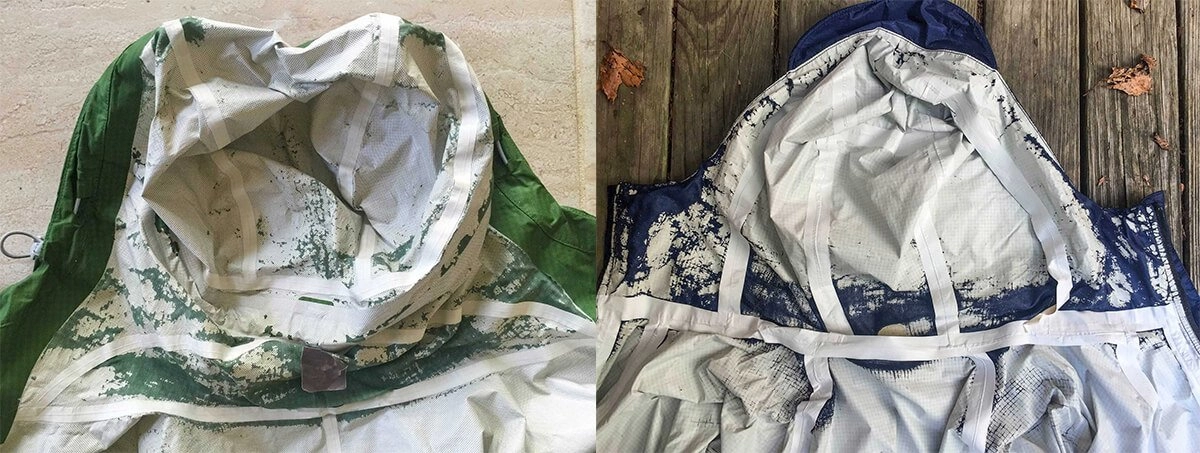
- The membrane delaminates (bubbles, flakes, or peels inside)
- Seams are failing and it’s not from obvious abuse
DIY repair when:
- You’ve got small tears, pinholes, or abrasions
- Zipper pulls, cord locks, or minor bits fail
Retire the shell when:
- The inside is peeling everywhere
- It soaks through in light rain even after wash + DWR reproofing
- The fabric is thin and worn at shoulders from pack straps
Retired shells still work for around-town Seattle and Portland commuting or yard work, but not for Mt. Rainier adventures or serious storms.
Smart storage between PNW rainy seasons and trips
If you store your best packable waterproof jacket for rainy hikes right, it’ll last longer.
- Clean it before storage – dirt and oils break down the DWR and fabric
- Fully dry it – no damp folds = no mildew
- Hang it on a wide hanger or store loosely folded in a breathable bag
- Don’t crush it long-term in a stuff sack or hot car
Treat your Pacific Northwest rain gear like real equipment, not an afterthought, and your lightweight waterproof jacket will stay storm‑ready for years of PNW use.
FAQ About Lightweight Waterproof Jackets for the Pacific Northwest
Is Gore‑Tex worth it for PNW rain and year‑round use?
Yes, for most people in the PNW, Gore‑Tex (or a similar 3‑layer membrane) is worth it if:
- You’re out in steady rain for hours (Cascades, Olympics, coastal trails)
- You hike or backpack year‑round, including shoulder season and light snow
- You hate that clammy, sticky feeling cheaper shells give you
If you mostly do short city walks, dog walks, or quick trail laps, a good 2.5‑layer shell can cover you. But for real Pacific Northwest adventures, Gore‑Tex or an equivalent 3‑layer shell gives better long‑term waterproofing, durability, and comfort.
Are 2.5‑layer jackets good enough for Pacific Northwest weather?
They can be, if you know the trade‑offs:
- Good enough for: day hikes, commuting, travel, emergency packable shell
- Weaker for: multi‑day backpacking in nonstop rain, wet brush, heavy pack use
A solid 2.5‑layer lightweight waterproof jacket works for a lot of PNW hikers, especially if:
- You stick to maintained trails
- You don’t mind re‑treating DWR more often
- You’re not routinely out in all‑day storms
If you’re doing longer trips in Olympic National Park, the North Cascades, or off‑trail, I lean 3‑layer.
How light is too light for a PNW rain shell?
If you’re in Oregon or Washington, “too light” usually means:
- Under ~5–6 oz with paper‑thin fabric
- No pit zips, minimal adjustability, tiny hood, no real storm features
These ultralight shells are fine as “oh‑no” shells for summer alpine missions, but for classic PNW rain:
- Sweet spot for most people: 8–13 oz
- That weight usually gets you: better fabric, real hood, longer life under a backpack
If you’re carrying one best packable waterproof jacket for rainy hikes, don’t go so light that it fails on your first stormy ridge.
Do I really need pit zips for hiking in the PNW?
If you actually hike in humid forests and steep climbs, yes—pit zips or core vents matter a lot:
- PNW is cool but humid, so you’ll sweat even in 50°F drizzle
- Pit zips let you dump heat fast without soaking your base layer
- They add a tiny bit of weight but a ton of comfort
If you run cold and move slowly, you can get by without them. For most Pacific Northwest trail use, I treat pit zips as a must‑have feature.
Can one jacket work for both city commuting and big hikes?
Yes, but you need to pick carefully:
- Look for a clean, simple design (not super techy neon)
- Prioritize: good hood, real waterproofing, decent breathability
- Make sure pockets work with both a backpack hipbelt and everyday use
I like a lightweight breathable hiking shell that looks normal enough for Seattle and Portland commuting, but still performs on Mt. Rainier approaches and Cascade hikes. You absolutely can have one urban‑to‑trail PNW rain jacket if you choose a balanced design.
How many layers should I wear under my rain jacket here?
For typical 40–60°F PNW temps, a simple system works best:
-
Most hikes:
- Lightweight synthetic or merino base layer
- Thin fleece or light active mid‑layer if it’s cooler or windy
- Lightweight waterproof shell on top
-
Warmer, wet days (upper 50s to 60s):
- Just a wicking base layer + shell
-
Colder, shoulder season:
- Base + warmer fleece or light synthetic puffy + shell
More layers isn’t better; two good layers under a shell beat four mediocre ones.
What’s the best budget rain jacket for new PNW hikers?
If you’re just getting started and want best budget lightweight waterproof jacket for hiking, I look for:
- 2.5‑layer shell, 10–14 oz, with pit zips
- Adjustable hood, hem, and cuffs
- Decent DWR, even if you’ll need to re‑treat it
Popular budget choices in the U.S. tend to be house‑brand shells from REI Co‑op or major retailers, which offer strong value, good warranties, and are easy to return if the fit is off. For new Pacific Northwest hikers, I’d start with a budget shell that has:
- Pit zips
- A hood that fits over a beanie or light helmet
- Enough room to layer a fleece underneath
You can always upgrade to Gore‑Tex later once you know exactly how you hike in PNW rain.