
Why Sun Protection Changes at High Altitude in Summer
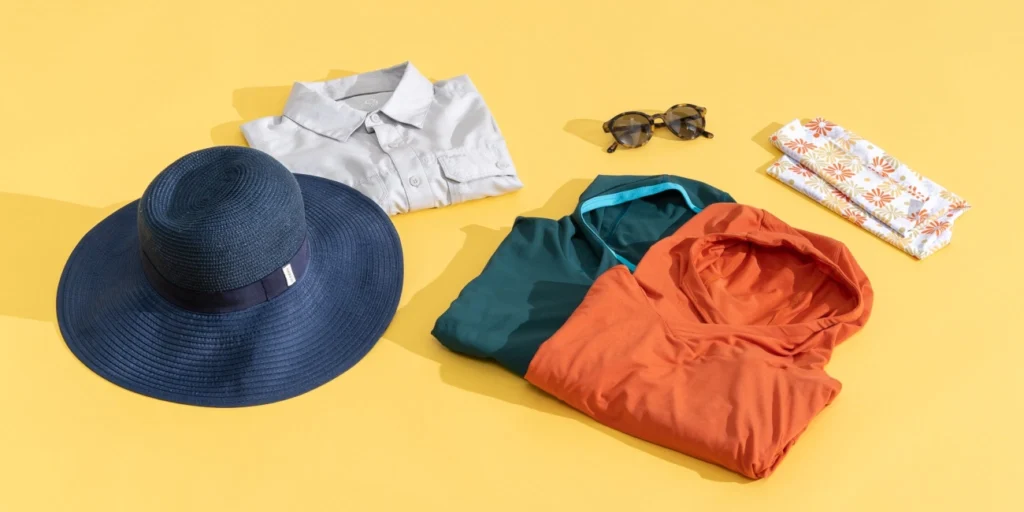
When I’m planning a summer trek above tree line, I treat the sun like a real hazard, not just a comfort issue. Essential sun-protective clothing for high-altitude summer trekking isn’t optional—it’s basic safety gear.
High-Altitude UV vs. Lowland Sun
- UV intensity increases about 4–8% for every 1,000 feet of elevation.
- A casual sunny day at 10,000–14,000 feet can deliver desert-level UV even if the air feels cool.
- That’s why high altitude UV protection needs to be more aggressive than what you wear for day hikes near sea level.
Thinner Air and Reflective Terrain
At elevation, the atmosphere is thinner, so there’s less natural filtering of UV rays. Then the terrain makes it worse:
- Snow and glaciers can reflect up to 80% of UV back at you
- Light rock, scree, and ice bounce sun onto your face, neck, and under your chin
- This reflection turns every glacier crossing and rocky ridge into a UV mirror, hitting you from above and below
This is why glacier trekking clothing and altitude sun reflection gear must prioritize full coverage and UPF 50+ fabrics.
Cool Air, Hot Burn Risk
One of the biggest traps at elevation: it feels mild, so people underestimate the sun.
- Wind and cooler temps trick you into thinking you’re safe
- Sweat evaporates fast, so you don’t “feel” hot like at the beach
- But your skin is still getting hammered by high elevation sunburn–level UV
I’ve seen people blister in under an hour at 12,000+ feet wearing just a t-shirt, even on a breezy, partly cloudy day.
Myths That Get Trekkers Burned
A few dangerous beliefs I hear all the time:
- “It’s cloudy, I don’t need full sun gear.”
- “I tan easily; I don’t burn in the mountains.”
- “It’s only 60°F—how bad can the sun be?”
On real trips, I’ve watched strong trekkers lose days of performance to severe face and neck burns, swollen hands, and split lips—damage that simple UPF clothing and a wide-brim sun hat would’ve prevented.
High-Risk Zones and Times
If I know I’ll be in these zones, I gear up with breathable sun-protective clothing from the start:
- Ridgelines and high passes: full exposure, strong wind, no shade
- Glacier crossings and snowfields: intense reflection from every angle
- Exposed valleys and basins: big, open bowls that cook all day
- Midday to mid-afternoon (about 10 a.m.–3 p.m.): peak UV window
In these conditions, UPF 50+ sun hoodies, lightweight UPF pants, sun gloves for hiking, and neck gaiter UV protection aren’t overkill—they’re the baseline for safe, summer alpine trekking clothing.
Core Principles for High-Altitude Sun-Protective Clothing
When I build summer mountain trekking gear for high elevation, I design everything around UV protection first, comfort second, weight third. Here’s how I look at it.
UPF Ratings and Why UPF 50+ Matters
For high altitude UV protection, I don’t mess around with low ratings.
- UPF 50+: Blocks ~98% of UV. This is what you want for sun hoodies, UPF hiking shirts, and lightweight UPF pants above treeline.
- Skip “feels thick so it must be protective.” At 8,000–14,000 ft in the U.S. West, thin clouds and cool temps still fry you.
- On tags, I look for: “UPF 50+ / UPF tested” – not just “sun protective.”
Best Fabrics for Sun Protection
For breathable sun protective clothing, fabric choice matters as much as UPF.
- High-quality synthetics (nylon/polyester)
- Light, strong, and easy to dry on a multi-day trek
- Great for UPF 50+ sun hoodies, sun protective hiking pants, and quick drying sun shirts
- Treated merino wool
- Naturally odor-resistant, comfy for long trips
- Look for “UPF” on the label; not all merino has good UV protection
- Quick-dry blends
- Nylon/poly with stretch for movement and durability
- Ideal for glacier trekking clothing and UV resistant trekking gear
Breathability and Ventilation
High-altitude sun protection is useless if you overheat and stop wearing it.
Key features I build in:
- Lightweight, thin knit fabrics for ventilated sun hoodies
- Mesh panels in low-sun areas (sides, underarms, back yoke)
- Zip necks / quarter zips for dumping heat fast on steep climbs
- Wicking finishes so sweat pulls off your skin and dries quickly
Getting the Right Fit
You want full coverage without feeling baggy or snaggy.
- Aim for slim to regular fit, not skin-tight, not parachute-style
- Shouldn’t flap in wind or catch on rock, brush, or trekking poles
- Long enough to stay tucked under a hip belt or harness
- Test reach: overhead, trekking pole motion, scrambling stance
Design Details That Matter at Altitude
The small details make high-altitude clothing truly sun-safe and functional:
- Hoods that fit over a cap or helmet and cover cheeks and neck
- Thumb loops / thumb loop sun sleeves to close the wrist gap
- Long hems and extended cuffs so nothing rides up with a pack
- Flat seams where shoulder straps sit to reduce hot spots
- Low-profile pockets that don’t rub under backpack hip belts
Durability and Packability for Multi-Day Treks
US mountain trips beat up gear—granite, volcanic rock, dense brush, and constant pack friction.
I focus on:
- Abrasion-resistant nylon for sun protective hiking pants and outer shirts
- Slight stretch panels at knees, seat, and shoulders for scrambling
- Lightweight but tough fabrics that ball up small in a pack
- Pieces that layer cleanly with a wind shirt or light shell without bulk
If a piece of UPF clothing for backpacking can survive rough trails in Colorado, the Sierra, or the Cascades, dry out overnight, and still block high-elevation sun, it makes the cut in my line.
Essential Sun Hoodies for High-Altitude Summer Trekking
Why sun hoodies are the #1 high altitude UV protection layer
For high-altitude summer trekking in the U.S. (Colorado 14ers, Sierra, Cascades), a UPF 50+ sun hoodie is the single most important clothing item I pack. At elevation, the sun hits harder, the air feels cooler, and people underestimate how fast they burn. A good sun-protective hoodie solves a lot of problems at once:
- Full upper-body coverage without constantly reapplying sunscreen
- Built-in high altitude UV protection for your neck, ears, and sides of your face
- Lightweight and breathable, so you’re not cooking in the sun like you would in a heavy long sleeve
- Consistent protection all day – no worries about sweat or missed sunscreen spots
When I’m guiding or trekking above treeline in summer, if someone brings only one specialized UV piece, I want it to be a breathable UPF 50+ sun hoodie.
Key features of a good UPF 50+ sun hoodie
A solid UPF hiking hoodie isn’t just any long-sleeve with a hood. The details matter when you’re moving at altitude.
Look for:
- UPF 50+ rating
- Blocks ~98% of UV rays
- Clearly labeled “UPF 50+” or “UPF 50” on the tag
- Hood shape that actually stays put
- Snug but not tight around the head
- Works under a wide brim sun hat or a climbing helmet
- Slight brim or shape that shades the forehead and sides of the face
- Face and neck coverage
- High collar or zip neck that comes up under the chin
- Hood overlapping the collar to cover the back and sides of the neck
- Some designs pair perfectly with a neck gaiter for UV protection to cover nose and cheeks
- Extended cuffs and thumb loops
- Cover the backs of your hands (a common burn zone)
- Eliminate gaps between sleeves and sun gloves for hiking
I design and choose hoodies around coverage while moving – if I can look down at my trekking poles and not see exposed wrists or neck, it’s doing its job.
Ventilation details: mesh, lightweight fabric, zip necks
Good summer mountain trekking gear lives in the sweet spot between coverage and airflow. For a ventilated sun hoodie, I prioritize:
- Lightweight, quick-drying fabric
- Synthetics or lightweight merino blends designed for heat
- Fabric that dries fast after sweat or a quick stream rinse
- Targeted mesh panels
- Underarms, side panels, or upper back for extra breathability
- Mesh that still has UV protection (or is covered by pack straps)
- Zip neck or quarter-zip
- Zipped up: more sun and wind protection on ridges
- Zipped down: fast venting on steep, sweaty climbs
At high elevation, you’re constantly shifting between shady switchbacks, blazing ridgelines, and breezy saddles. A ventilated UPF 50+ sun hoodie lets you adapt without stopping to change layers.
Sun hoodies vs. regular hiking shirts and t-shirts
Compared to a basic hiking shirt or t-shirt, a UPF sun hoodie wins almost every time in the alpine:
- Coverage
- T-shirt: leaves neck, ears, forearms exposed
- Regular long-sleeve: better, but neck and sides of face still vulnerable
- Sun hoodie: head, neck, arms, and upper chest all protected in one piece
- Consistency
- With t-shirts, you’re chasing the sun with sunscreen all day
- With a hoodie, coverage is built-in – no guessing, less reapplication
- Glacier and snow travel
- Sun reflecting off snow and rock will nail your neck, nose, and ears
- A UPF 50+ sun hoodie pairs perfectly with category 3 or 4 glacier sunglasses to handle reflection
If you’re only day hiking in the woods, a long-sleeve shirt is fine. Once you’re above treeline, that’s where a true high elevation sunburn prevention hoodie earns its keep.
When to use a sun hoodie as a base layer vs. top layer
In U.S. summer mountain conditions, I use a sun hoodie both as a base layer and as a top layer, depending on altitude and weather.
Use as a top layer when:
- It’s warm and sunny (typical mid-summer days in the Rockies or Sierra)
- You’re hiking in exposed areas: ridgelines, tundra, glacier approaches
- You want max breathability with one simple layer
Use as a base layer when:
- Mornings are cold but skies are clear
- You expect wind, storms, or big elevation swings
- You’re adding:
- A light wind shirt over the hoodie on breezy passes
- A thin fleece or active mid-layer on cooler days
A good UPF 50+ sun hoodie should be thin enough to sit next to skin, but durable enough to handle pack straps when it’s your outer layer. If I’m packing light for summer alpine trips here in the States, it’s almost always my go-to sun protective base layer and top layer in one.
Long-Sleeve Sun Shirts and Mid-Layers for High-Altitude UV
When I build a high-altitude summer kit, I treat long-sleeve UPF shirts as my “workhorse” layer right next to a UPF 50+ sun hoodie.
Sun Hoodie vs. Long-Sleeve Sun Shirt
Sun hoodies (UPF 50+ sun hoodie):
- Built-in hood + often better neck/side-face coverage
- Great for ridgelines, glacier trekking, and all-day high altitude UV protection
- Ideal as your top layer in strong sun, light wind
Long-sleeve sun shirts:
- No hood (usually), lighter and more breathable
- Easier to layer under a wind shirt, fleece, or shell
- Better if you swap hats often or use a climbing/ bike helmet
Use both: I usually wear a breathable long sleeve hiking shirt and throw a ventilated sun hoodie over it for peak UV hours.
Crew Neck vs. Quarter-Zip vs. Button-Up
| Design | Best For | Pros | Cons |
|---|---|---|---|
| Crew neck UPF shirt | Simple, ultralight setups | Lowest weight, no zippers | Less venting, less neck coverage |
| Quarter-zip long-sleeve | Steep climbs, variable temps | Easy to dump heat, protects upper chest | Slightly heavier, zipper can bug some people |
| Button-up sun shirt | Backpacking, travel-trekking | Full front venting, roll-up sleeves, collar flips up for neck UV protection | Looser fit, can feel “flappy” in strong wind |
For most U.S. summer mountain trekking, I lean quarter-zip or light button-up with real UPF 30–50+.
Quick-Drying and Moisture-Wicking Matters
High elevation = strong sun + big climbs. You can’t be walking around in soaked cotton.
Look for:
- Synthetic or performance merino blends (poly, nylon, merino with UPF treatment)
- Fast-dry times – shirt should dry in 1–2 hours in mountain air
- Moisture-wicking tags: pulls sweat off your skin so you stay cooler and avoid chills when wind picks up
Benefits on sweaty climbs:
- Less chafing under pack straps
- Fewer cold shivers when clouds and wind roll in
- Less stink if you’re out for multiple days
Layering Long-Sleeve Sun Shirts at Altitude
I use long-sleeve sun shirts as my “always-on” base for high elevation sun.
Typical summer layering setup:
- Base: quick drying sun shirt (UPF hiking shirt, crew or quarter-zip)
- Mid: light fleece or thin synthetic puffy for mornings, windy passes
- Shell: wind shirt or light rain shell (still helps with UV and heat retention)
How I dial it:
- Morning chill: sun shirt + light mid-layer
- Midday UV: sun shirt alone or under a UPF 50+ sun hoodie
- Afternoon storms: add shell on top, keep long-sleeve sun layer on for UV protection
Colors, Fits, and Fabrics for High UV
Colors:
- Light colors (light gray, sky blue, tan): cooler in direct sun, good for hot exposed valleys
- Mid tones: better at hiding dirt and sweat stains on multi-day treks
Fit:
- Slightly loose, not baggy – lets air move, doesn’t cling when sweaty
- Long enough in the back to stay tucked under your hipbelt
- Shoulder seams that don’t sit right under pack straps
Fabrics (for breathable sun protective clothing):
- Nylon/poly blends: best combo of durability + quick-dry + high UPF
- Treated merino wool sun protection: great for odor control on longer backpacking trips, but check that it’s labeled UPF 30+ or better
- Skip pure cotton for high elevation – it holds water and can leave you cold once the wind hits
If I’m guiding or trekking above tree line in the U.S., a quick drying sun shirt with real UPF, smart fit, and a simple quarter-zip is my non-negotiable starting point.
Sun-Protective Hiking Pants and Bottoms for High-Altitude UV
Why full-length UPF pants beat shorts at high altitude
At high elevation, I always treat full-length lightweight UPF pants as non‑negotiable. Shorts just don’t cut it when UV is bouncing off rock, snow, and dusty trail.
Why I skip shorts up high:
- Year-round UV on calves and knees (most common “hidden burn” zones)
- Reflection from rock, snow, and glaciers hits your legs from below
- Wind + cold can bite hard when clouds roll in
- Bushwhacks, scree, and talus shred bare skin fast
Full-length sun protective hiking pants give you high altitude sunburn prevention, abrasion protection, and bug defense in one shot.
Pants vs. convertibles vs. tights for summer trekking
For summer mountain trekking gear in the U.S., I look at three main options:
1. Lightweight hiking pants (my default)
- Best all‑around for high altitude UV protection
- Simple, light, and clean silhouette
- Great for backpacking, day hikes, and glacier approaches
2. Convertible pants
- Zip‑off legs help in hot, lower sections of the trail
- Good if you move between desert trailheads and alpine ridges in one day
- Downsides: extra zippers, more weight, sometimes baggy or noisy
3. Trekking tights / sun leggings
- Close fit, great stretch, no flapping fabric
- Work well under a harness or with glacier trekking clothing
- Make sure they’re rated UPF 50+ and not see‑through when stretched
I usually run lightweight pants for general use and tights for more technical, fast-moving missions.
Key design features that matter at altitude
When I pick UV resistant trekking gear for my legs, I look for specific details:
- Articulated knees – pre-shaped for uphill steps and high rocks
- Gusseted crotch – no pulling or seam blowouts on steep climbs
- Vents or mesh-lined pockets – dump heat on hot, exposed traverses
- Stretch panels – easier scrambling, no restriction with long strides
- Low-profile waistband – sits clean under a hipbelt or climbing harness
These details make the difference between “I forget I’m wearing them” and “I can’t wait to get these off.”
Best fabrics for breathable, fast-drying sun protection
For breathable sun protective clothing, I keep it simple:
-
Nylon blends
- Best for durability on rock and scree
- Lightweight, fast-drying, and naturally more abrasion resistant
-
Polyester blends
- Great wicking and quick drying
- Often used in UPF hiking shirts and matching pants
-
Treated fabrics (UPF 50+)
- Built‑in high altitude UV protection, not just “tightly woven” marketing
- Less need to slather sunscreen on your legs every hour
I avoid heavy cotton; once it’s wet, it stays wet and offers weak UV protection.
Balancing freedom of movement with full coverage
The goal is simple: full leg coverage without feeling trapped.
Here’s how I dial it in for summer alpine trekking clothing:
- Choose a trim, not tight cut: no ballooning, no sausage casing
- Test big steps, lunges, and squats at home with your pack on
- Check for hot spots at the waistband, knees, and inner thighs
- Pair pants with sun gloves, thumb loop sun sleeves, and a UPF 50+ sun hoodie for zero gaps
- Go slightly looser if you plan to layer sun protective base layers or tights underneath
If I can hike fast, scramble, and sit on rough rock without thinking about my pants, I know they’re right for high-altitude sun and terrain.
High-Altitude Head and Neck Sun Protection
At high elevation, your head, face, and neck get blasted by UV from above and from glare off rock, snow, and glaciers. I treat head and neck coverage as non‑negotiable high altitude UV protection.
Best trekking sun hats for high altitude
For summer mountain trekking gear in the U.S., I rely on three main setups:
-
Wide-brim sun hat for trekking
- Full 360° brim (3\”+), stiff enough not to flop in wind
- Dark under-brim to cut glare from snow and talus
- Adjustable chin strap for ridgelines and exposed valleys
-
Legionnaire-style hat
- Standard cap front + built‑in neck cape
- Great with a backpack because it covers the gap between collar and pack
- Lighter and cooler than big-brim hats when temps spike
-
Cap-plus-hood combo
- Baseball cap + UPF 50+ sun hoodie or neck gaiter
- Most versatile for glacier trekking clothing and helmet use
- Easy to adjust as you move in and out of shade
Hat vs hood vs combo: what to use when
I keep it simple:
-
Use a wide-brim hat
- Long, exposed traverses
- High-glare environments (snowfields, glaciers, granite slabs)
- When you’re not wearing a helmet
-
Use a hood (UPF 50+ sun hoodie)
- Windy ridgelines where brimmed hats flap or try to fly off
- When you want locked-in coverage for ears, side of face, and neck
- Under a climbing or biking helmet
-
Use a combo system (cap + hood or buff)
- Variable weather and on/off cloud cover
- Early starts that turn into strong midday sun
- When you want quick changes without digging in your pack
Buffs and neck gaiters for full coverage
A neck gaiter with UV protection (buff-style) is tiny but does a ton of work:
- Pull it up over your nose and cheeks on snow and glaciers
- Cover ears and sideburns when the sun is at an angle
- Rotate or swap when it’s sweaty for better cooling and hygiene
- Use a lightweight, breathable, quick-drying fabric so it doesn’t feel swampy
For U.S. hikers in dry Western ranges (Colorado, Sierra, Utah, Cascades), a thin UPF gaiter is one of the best value pieces of UV resistant trekking gear you can own.
Managing wind, sweat, and helmets
Head and neck systems fail when they’re annoying. I design and pick gear around this:
-
Wind control
- Hats: solid chin strap + rear tension adjustment
- Hoods: close-fitting, with a bit of stretch so they don’t balloon
- Gaiters: snug but not choking, so they don’t flap around
-
Sweat management
- Sweatband or wicking liner in the hat
- Breathable sun protective clothing fabrics (no heavy cotton)
- Light colors on top to keep heat down, darker under-brims for glare
-
Helmet compatibility
- Go cap or thin beanie under the helmet, not a big-brim hat
- Use a low-profile sun hoodie hood or buff under the shell
- Make sure nothing bunches at the back of your head, or your helmet won’t sit right
Dialing in your high-altitude head and neck sun protection is one of the fastest ways to cut fatigue, prevent high elevation sunburn, and stay sharp all day in intense alpine sun.
Gloves, Sleeves, and Extra Coverage for Hands and Arms
Why hands and forearms burn fast at elevation
At high altitude, your hands and forearms sit in direct, reflected sun all day:
- You’re holding trekking poles, GPS, or an ice axe with palms turned up.
- UV intensity is higher, and snow, rock, and glacier surfaces bounce light back.
- Cool temps trick you into skipping sunscreen or coverage.
I treat high elevation sunburn prevention for hands and arms as non-negotiable. Once your hands blister, gripping poles or scrambling rock gets painful fast.
Sun gloves vs. full-finger vs. fingerless
For high-altitude UV protection, I stick to purpose-built sun gloves for hiking:
-
Sun gloves (full-finger, UPF 50+)
- Best for summer mountain trekking gear.
- Super light, breathable, quick-drying.
- Protects backs of hands, fingers, and knuckles—where burns hit hardest.
- Great with trekking poles and GPS devices.
-
Full-finger trekking gloves
- Better when it’s colder or windy.
- Choose thin, breathable sun protective clothing styles with some UPF.
- Ideal for glacier trekking clothing where you want grip plus coverage.
-
Fingerless designs
- Good grip and dexterity, but exposed fingertips still burn.
- I only use these when I’m constantly handling zippers, maps, or rope, and still add sunscreen on exposed skin.
If I had to pick one for most U.S. summer alpine missions, it’d be lightweight UPF 50+ sun gloves.
Thumb loop cuffs and sun sleeves
To keep gap-free coverage between your UPF 50+ sun hoodie and gloves:
- Look for thumb loop sun sleeves or tops with thumb loop cuffs:
- They pull fabric over the back of your hands.
- No exposed wrist strip when you reach forward with poles.
- Sun sleeves (UPF arm sleeves) are ideal if:
- You prefer a short-sleeve or quick drying sun shirt, but still want full arm coverage.
- Temps swing a lot during the day—you can pull them on/off fast.
I design my own UV resistant trekking gear so the cuffs, sleeves, and gloves overlap cleanly—no little burn lines.
Pairing gloves and sleeves with trekking poles and devices
Using poles or electronics all day changes what works:
- For trekking poles users:
- Choose gloves with reinforced palms so straps don’t wear through.
- Avoid bulky seams where the pole handle sits.
- For GPS, phone, or camera use:
- Go with touchscreen-compatible fingertips.
- If using fingerless, double down on sunscreen for exposed tips.
- With neck gaiter UV protection and a wide brim sun hat for trekking, make sure:
- Glove cuffs tuck under or over sleeves smoothly.
- No bunching under watch straps or fitness trackers.
Dialed-in sun protective base layers, sleeves, and gloves keep your hands and arms covered all day so you can focus on the route—not your next sunburn.
Layering System for High-Altitude Summer Sun Protection
High elevation sun is brutal, even when temps feel mild. I treat my summer alpine trekking clothing like a flexible armor system: every layer needs UV protection, breathability, and fast dry time.
Base layers: wicking, warmth, and UPF
For a base, I lean on UPF clothing for backpacking that handles sweat and still blocks UV:
- Fabric: lightweight synthetics or merino wool sun protection blends with UPF 30–50+
- Fit: close but not tight, so it wicks and doesn’t bunch under a pack
- Styles:
- UPF 50+ sun hoodie as a primary base in strong sun
- breathable long sleeve hiking shirt for hotter, lower sections
- Use case (U.S. West, Rockies, Sierra): early starts around 40–50°F, climbing into strong sun by mid-morning
Light mid-layers for wind and cloud
On windy ridges, passes, or when clouds roll in, I swap or add a light mid-layer instead of reaching right for a heavy jacket:
- Options: thin grid fleece, breathable synthetic mid-layer, or slightly heavier quick drying sun shirt
- Features:
- Full or half zip for venting
- Light stretch for scrambling and using trekking poles
- Enough warmth to handle 10–20°F drops without cooking you on the climbs
- I keep this layer easy to stash; it lives at the top of my pack on every summer mountain trekking gear trip.
Shell layers and wind shirts with UV
A lot of shell layers and wind shirts now claim UV protection for mountaineering, and they’re game changers above treeline:
- Wind shirts: ultra-light, pack into a pocket, great over a ventilated sun hoodie in gusty, high-UV conditions
- Softshell / light shell: more durable for glacier trekking clothing, rock, and bushwhacking
- Key details:
- DWR (water-resistant) for surprise squalls
- Under-helmet hood for ridgeline winds
- Enough room to fit over a UPF hiking shirt without restricting movement
Sample summer layering setups by altitude
Here’s how I build high elevation sunburn prevention systems for typical U.S. conditions:
8,000–11,000 ft (Rockies / Sierra, dry and sunny)
- Base: UPF 50+ sun hoodie
- Mid: ultralight fleece or thin synthetic
- Shell: 3–4 oz wind shirt for ridges and descents
10,000–14,000 ft (Colorado 14ers, Cascades)
- Base: breathable sun protective clothing long sleeve or hoodie
- Mid: light grid fleece or active insulation
- Shell: wind shirt plus emergency rain shell with some UV resistance
Glacier / snow travel (Rainier, PNW volcanoes, Alaska)
- Base: sun protective base layers with UPF 50+
- Mid: warmer synthetic mid-layer
- Shell: windproof shell or light alpine shell with hood, paired with category 3 and 4 glacier sunglasses
In every setup, the rule stays the same: every layer must breathe, dry fast, and add to your high altitude UV protection, not just your warmth.
Additional Sun Protection Strategies Beyond Clothing
Even with the best sun-protective clothing for high-altitude summer trekking, I still treat sunscreen, sunglasses, and timing as non‑negotiable. UV at elevation in the U.S. Rockies, Sierra, Cascades, or high desert is brutal and sneaks up fast.
Sunscreen For High Altitude
For high altitude UV protection, I always use:
- SPF 30–50+, broad-spectrum (UVA + UVB), water- and sweat-resistant
- Apply 20–30 minutes before you hit the trail
- Use about a shot glass worth for full body if more skin is exposed
- Reapply every 2 hours, and every hour if you’re sweating hard or wiping your face
Mineral (zinc, titanium) sunscreens tend to hold up well in strong sun and work great under UPF 50+ sun hoodies and lightweight UPF pants.
Don’t Miss These Burn Zones
High-elevation sunburn almost always shows up where people “forget”:
- Ears (tops and behind)
- Back of neck and along the hairline
- Hands and fingers, especially when using trekking poles
- Nose and cheeks
- Under and around pack straps and tank-top edges
- Knees and ankles if you ever roll pants or sit in shorts at camp
I hit these spots every time I reapply. I also keep a mini tube of sunscreen in an easy-access pocket, not buried in my pack.
High-Altitude Sunglasses For Trekking
For summer alpine and glacier travel, regular lifestyle shades are not enough. I look for:
- 100% UV protection (UVA/UVB) clearly labeled
- Lens category 3 or 4 for glacier, snow, and high-reflection terrain
- Side shields or wraparound frames to block side glare
- A secure fit that plays nice with wide brim sun hats and helmets
Good UV protection for mountaineering sunglasses is just as critical as boots; snow blindness will end your trip fast.
SPF Lip Balm And Small Essentials
I treat these as mandatory in my summer mountain trekking gear:
- SPF 30+ lip balm, reapplied often (sun + wind = cracked lips by day two)
- Tiny sunscreen stick for nose, ears, and under-eye touchups
- A light neck gaiter with UV protection for quick face and neck coverage
- Sun gloves for hiking if you’re using poles all day
These weigh almost nothing and make a big difference over a multi-day trek.
Timing Your Day Around UV
Clothing and sunscreen only go so far if you hike during peak UV. I plan my high-altitude days like this:
- Early starts: big climbs finished by late morning
- Avoid 11 a.m.–3 p.m. on exposed ridges and glaciers when possible
- Use shade breaks: under boulders, trees, or even your own tarp
- Long breaks in camp? I still keep my breathable sun protective clothing on and stay covered
Managing timing, coverage, and reapplication together is what actually delivers high elevation sunburn prevention, not just buying one good UPF hiking shirt and calling it done.
How to Choose and Compare Sun-Protective Trekking Clothing
What to Look for on Tags (Keep It Simple)
When I pick sun-protective trekking clothing for high-altitude summer trekking, I scan the tag fast:
| Tag Detail | What I Look For | Why It Matters at Altitude |
|---|---|---|
| UPF rating | UPF 50+ | Best for high altitude UV protection and glacier glare |
| Fabric | Polyester/nylon, or treated merino | More durable, quick-drying, better all-day comfort |
| Weight | Light to midweight (90–170 gsm tops) | Balance between breathability and coverage |
| Features | Hood, thumb loops, vents, long hem, stretch | Real protection without killing mobility |
I always favor pieces labeled UPF 50+ sun hoodie, UPF hiking shirts, and lightweight UPF pants over generic “moisture-wicking” or “outdoor” tags.
Budget vs Mid-Range vs Premium Sun Gear
Here’s how I break down sun-protective trekking clothing for the U.S. market:
| Tier | What You Get | Good Use Case |
|---|---|---|
| Budget | Basic UPF 30–50, fewer features, looser fit | Weekend hikes, backup layers |
| Mid-range | Reliable UPF 50+, better fabric, venting, some stretch | Most summer mountain trekking gear folks need |
| Premium | Top fabrics, mapped ventilation, dialed fit, super light | Multi-day backpacking, glacier trekking clothing, long Western trails |
I don’t cheap out on:
- UPF 50+ sun hoodies
- sun protective hiking pants
- wide brim sun hat trekking
These see the most sun and sweat, so better gear pays off.
Fit Checks at Home (Before You Hit Altitude)
I test sun-protective trekking clothing at home like I’m already on trail:
-
Range of motion
- Reach overhead like placing a bear bag: shirt shouldn’t lift and expose lower back.
- Take a big step up (stairs or box): lightweight UPF pants shouldn’t bind at knees or hips.
-
Hot-spot testing
- Put on your pack.
- Check seams under straps, hipbelt, and back panel.
- If it rubs in your living room, it’ll be a problem at 12,000 ft.
-
Pack interaction
- Make sure:
- Thumb loop sun sleeves and cuffs don’t bunch under straps.
- Hood fits under or over your cap without blocking vision.
- No hard snaps/buttons digging into your collarbones.
- Make sure:
Real-World Testing Before a Big Mountain Trip
Before I trust anything for high elevation sunburn prevention, I test it locally:
-
Do a short day hike close to home:
- Full sun if you can.
- Wear your sun gloves for hiking, neck gaiter UV protection, and full kit.
-
Check after the hike:
- Any red skin under “good coverage”? That piece fails.
- Any spots where the fabric stays soaked or clammy? Not ideal for altitude.
-
Practice your full system:
- UPF 50+ sun hoodie + wide brim sun hat trekking or cap.
- lightweight UPF pants with poles.
- Adjust layers on climbs vs ridges to see what actually breathes for you.
If a piece feels annoying on a 3–5 mile test in your local hills, it won’t magically feel better at 10,000+ feet. I only pack UV resistant trekking gear that passes real-world use, not just the tag test.
Maintenance and Care for Long-Lasting UPF Clothing
Keeping your high-altitude sun-protective clothing in good shape matters just as much as choosing the right gear in the first place. If you treat your UPF 50+ sun hoodies, lightweight UPF pants, and quick-drying sun shirts right, they’ll keep blocking UV for a lot more summer treks.
How Washing Affects UPF Fabrics
UPF fabrics are tough, but not bulletproof.
- Use mild detergent only – no bleach, no fabric softener, no stain-remover “boosters.” Those can break down fibers and coatings that give you high altitude UV protection.
- Cold or warm wash, gentle cycle – hot water and aggressive cycles beat up the fabric and reduce UPF over time.
- Wash zips and Velcro closed – to avoid snagging your breathable sun protective clothing.
- Avoid heavy loads – cramming the washer can twist and stretch UPF hiking shirts and sun protective hiking pants.
Best Practices for Drying and Storage
How you dry and store your summer mountain trekking gear has a direct impact on performance.
- Air dry when possible – hang or lay flat; high heat from dryers can damage synthetic UPF fibers.
- If you use a dryer, pick low heat or air-only.
- Keep out of direct sun when drying long-term – UV can fade colors and slowly weaken fabric.
- Store clean and fully dry – in a cool, dry place; no stuffed damp shirts in a bin or trunk.
- Avoid long-term compression of glacier trekking clothing; it stresses seams and elastic over time.
Repairing Snags and Small Damage
You don’t need to toss a piece just because it caught a rock or tree branch.
- Small snags – trim fuzz with scissors; don’t pull, it’ll spread.
- Tiny holes or pinholes – use a small fabric patch on the inside; keep it thin so your breathable long sleeve hiking shirt still vents.
- Seam issues – re-stitch with polyester thread or use seam tape made for technical gear.
- Avoid thick glue patches that block breathability or make stiff hot spots against your skin.
When to Replace Sun-Protective Clothing
At some point, your UV resistant trekking gear stops doing its job, especially at high elevation.
Replace key pieces like your UPF 50+ sun hoodie, sun gloves for hiking, and wide brim sun hat when you see:
- Thinning or see-through spots when you hold it up to light
- Heavy pilling, fraying, or stretched-out fabric that doesn’t spring back
- Cracked, peeling, or broken seams in high-stress areas (shoulders, hips, cuffs)
- Major tears or patches in critical sun zones (shoulders, upper back, hood, thighs)
- Gear that stays damp and doesn’t dry fast anymore, meaning the fibers are tired
For big trips in the Rockies, Sierra, Cascades, or Colorado 14ers, I treat sun gear like safety gear. If I’m questioning whether my UPF clothing for backpacking still works, I replace it before the next high-altitude trek.