
Why Sustainability Matters in Outdoor Gear and Apparel
When we’re outside, we’re literally walking on the places we say we want to protect. The gear we wear and carry can quietly help or quietly harm. I build and choose eco‑conscious outdoor gear with that in mind.
The Hidden Impact of Traditional Outdoor Gear
Conventional outdoor clothing and equipment often come with a heavy footprint:
- Petroleum-based fabrics (cheap polyester/nylon) = high CO₂ emissions
- Virgin synthetics = more microplastic shedding into rivers and oceans
- PFAS/PFC coatings for “forever” waterproofing = long-term pollution
- Poor labor practices = low wages, unsafe factories, zero transparency
Bottom line: Traditional gear can protect us on the trail while damaging the same forests, rivers, and mountains we explore.
Why Choose Eco-Friendly Outdoor Clothing and Sustainable Hiking Gear
Switching to eco-friendly outdoor clothing and sustainable hiking gear is a direct way to vote with your wallet:
- Lower carbon footprint with recycled and organic materials
- Fewer toxins on your skin and in waterways (PFAS-free, bluesign approved)
- Better durability so you buy less and repair more
- Fairer supply chains that respect workers and communities
You get ethical hiking clothing that still performs in real weather, without the guilt.
Key Eco Labels and Certifications to Look For
When I source and recommend gear, I use a simple eco-label checklist. These certifications quickly filter out greenwashing:
| Label / Claim | What It Signals (In Plain English) |
|---|---|
| B Corp | Company meets high social & environmental standards overall |
| Fair Trade | Safer working conditions + fair pay in the supply chain |
| bluesign approved | Materials and dyes screened for harmful chemicals and resource waste |
| PFAS-free / PFC-free | Waterproofing without “forever chemicals” |
| Recycled materials | Uses recycled polyester/nylon, reduces waste & emissions |
Tip: The more of these you see together, the more likely you’re dealing with truly sustainable outdoor apparel companies, not just clever marketing.
How Sustainable Outdoor Gear Protects Both Adventures and the Planet
Sustainable backpacking brands and green outdoor equipment aren’t just about feeling good—they perform for the long haul:
- Higher-quality builds mean your jacket, pack, or tent lasts for years
- Repairable outdoor gear extends life instead of sending it to a landfill
- Timeless designs reduce the urge to chase every new trend
- Lower impact materials keep trails, wildlife, and water sources cleaner
That combination—durability + low impact—is what keeps our favorite trails wild and our adventures going, season after season.
How We Selected the Top Sustainable Outdoor Brands
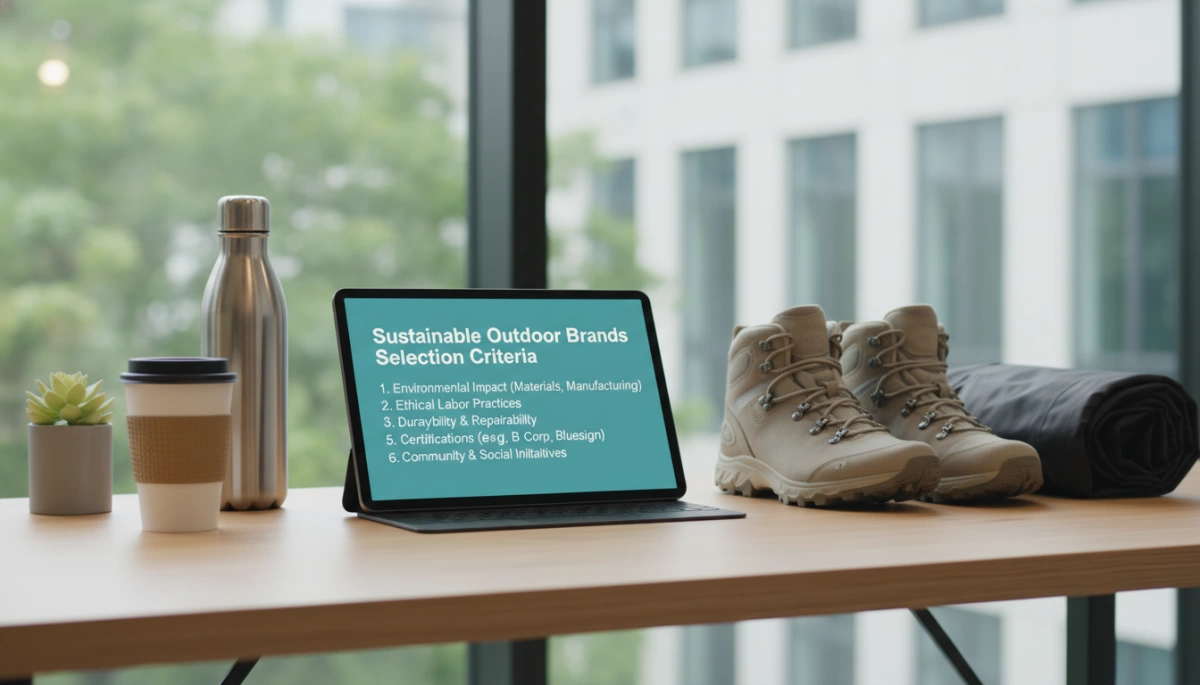
When I put together this list of top sustainable outdoor brands for the eco-conscious explorer, I treated it like building my own gear closet: strict standards, no greenwashing, and real-world testing that makes sense for hikers, campers, and backpackers in the U.S.
Core Criteria: Materials, Ethics, Transparency
To be considered one of the best green outdoor brands, a company had to clear a few non-negotiables:
-
Responsible materials only
- Heavy use of recycled polyester, recycled nylon, and other recycled fibers
- Organic cotton outdoor wear (GOTS or equivalent) instead of conventional cotton
- Preference for PFAS-free / PFC-free waterproof gear and bluesign approved materials
- Moves toward bio-based, regenerative outdoor clothing, or low-impact dyeing
-
Ethical production and labor
- Clear labor standards and codes of conduct
- Use of Fair Trade adventure gear programs where possible
- Traceable factories and published supplier lists (not just vague “we care” claims)
-
Radical transparency
- Public sustainability reports and impact data
- Open about what’s going well and what still needs work
- Clear info on traceable supply chain outdoor gear and where materials come from
If a brand wasn’t willing to show its homework, it didn’t make the cut.
Performance Standards for Eco-Friendly Adventure Apparel
Sustainability doesn’t mean anything if the gear fails on trail. For eco-friendly outdoor clothing and sustainable hiking gear, I looked at:
-
Durability:
- Fabrics that hold up to real use: rocky trails, desert sand, wet forests
- Strong stitching, reinforced high-wear areas, and repairable outdoor gear options
-
Function in all conditions:
- Breathability for hot, humid U.S. summers
- Warmth-to-weight for shoulder seasons in places like the Rockies or Appalachians
- Weatherproofing with PFC-free waterproof gear and solid wind resistance
-
Comfort and versatility:
- Gear that works for backpacking, weekend car camping, travel, and everyday wear
- Good fit ranges and inclusive sizing for U.S. customers
If an item was “green” but heavy, clammy, or fell apart, it didn’t qualify as eco-conscious outdoor gear in my book.
Real-World Use: Hikers, Campers, and Backpackers
I focused on how environmentally conscious explorers in the U.S. actually use gear:
-
Hiking & backpacking:
- Lightweight but tough layers, recycled outdoor jackets, moisture-wicking tees, and tough pants
- Packable insulation for cold mornings and evenings
-
Camping and overlanding:
- Low-impact camping equipment that’s durable, easy to maintain, and not over-engineered
- Tents, sleeping bags, and camp furniture that balance weight, comfort, and sustainability
-
Everyday crossover use:
- Pieces that move from trail to coffee shop without looking out of place
- Ethical hiking clothing that works for commuting, travel, and remote work days
I leaned on long-term wear, user feedback, and how gear performs after repeated washes and trips—not just spec sheets.
Why Avoiding Greenwashing Matters
For eco-conscious explorers, avoiding greenwashing is huge. I actively filtered out:
- Brands using a tiny amount of organic and recycled fabrics for one “eco” line while the rest stays business-as-usual
- Vague claims like “eco-friendly” or “natural” without certifications or clear numbers
- Overhyped “sustainable” collections that don’t address the big issues: fossil-based fabrics, PFAS, waste, or labor conditions
Instead, I prioritized:
- B Corp outdoor companies, carbon neutral outdoor brands, and labels using bluesign, Fair Trade, and other verifiable standards
- Brands running circular outdoor clothing programs: repairs, resale, take-back, and recycling
- Conservation-focused gear brands that put real money and effort into protecting public lands and ecosystems in the U.S. and beyond
The goal is simple: help you spend your money on responsible outdoor brands that actually move the needle—so your sustainable hiking gear supports both your next trip and the places you love to explore.
Top Sustainable Outdoor Brands for Eco-Conscious Explorers
When I talk with eco-conscious explorers here in the U.S., these are the sustainable outdoor apparel companies and green outdoor equipment brands I recommend first. They balance performance, ethics, and real-world durability, not just marketing copy.
Patagonia – Eco-Friendly Outdoor Clothing + Environmental Activism
Patagonia is still the benchmark for eco-friendly outdoor clothing in the U.S.:
- Heavy use of recycled polyester jackets, recycled nylon, and organic and recycled fabrics
- Strong focus on PFAS-free / PFC-free waterproof gear as they transition materials
- Fair Trade Certified™ styles, B Corp status, and deep supply chain transparency
- Famous Worn Wear program for repairable outdoor gear and resale
If you want sustainable hiking gear that can handle everything from the Pacific Northwest rain to high-altitude Rockies trips, Patagonia is one of the safest, most responsible outdoor brands you can bet on.
Cotopaxi – Recycled Outdoor Jackets + Ethical Adventure Apparel
Cotopaxi stands out with a fun, colorful look and serious ethics behind it:
- Signature recycled outdoor jackets made from leftover fabrics (Del Día line)
- B Corp outdoor company with a strong social mission and transparent giving
- Great for eco-conscious explorers who want ethical hiking clothing that pops on the trail and in town
- Ideal for travel, day hikes, and light backpacking where weight and style both matter
If you like the idea of gear that tells a story and funds real impact projects, Cotopaxi is a smart pick.
Tentree – Tree Planting + Organic Cotton Outdoor Wear
Tentree is all about simple, everyday sustainable outdoor apparel:
- Plants 10 trees for every item sold and backs it up with trackable projects
- Uses organic cotton outdoor wear, TENCEL, and recycled fibers for low-impact basics
- Perfect for U.S. customers who want comfy hoodies, tees, and joggers that work from coffee runs to campground nights
If you want casual, eco-friendly outdoor clothing you can wear every day—not just on big trips—Tentree nails that lane.
Arc’teryx – High-Performance Sustainable Hiking Gear
Arc’teryx is the go-to for serious mountain performance, and they’re pushing harder on sustainability:
- Premium sustainable hiking gear backed by long product lifespans and repairability
- Increasing use of bluesign® approved materials and more PFC-free waterproof gear
- Strong circular design initiatives with repairs, trade-ins, and re-commerce
For U.S. hikers, climbers, and backcountry skiers who need technical gear that lasts a decade or more, Arc’teryx is a high-investment, low-waste choice.
prAna – Yoga-to-Trail Regenerative Outdoor Clothing
prAna focuses on comfortable, versatile, ethical adventure apparel:
- Heavy use of organic cotton, hemp, and recycled fibers
- Big push into regenerative outdoor clothing and more responsible farming
- Numerous Fair Trade programs and attention to worker welfare
- Great for yoga, travel, road trips, and mellow hikes all over the U.S.
If your life blends studio, airport, and trail, prAna offers soft, practical, fair trade adventure gear that feels good on your skin and on your conscience.
REI Co-op – Accessible Eco-Conscious Outdoor Gear
REI Co-op is where most U.S. explorers start, and their own label has gotten impressively responsible:
- Many in-house products use recycled materials and bluesign® approved fabrics
- Co-op membership model reinvests in conservation-focused gear initiatives and outdoor access
- Increasing amount of PFAS-free hiking apparel and low-impact camping equipment
If you want eco-friendly camping brands at accessible price points—and the option to shop used in the REI Re/Supply program—REI Co-op is an easy, practical win.
Vaude – Low-Impact Camping Equipment + Fair Supply Chains
Vaude is a European leader that’s gaining more attention in the U.S.:
- Strong environmental management and strict EU-based eco standards
- Excellent low-impact camping equipment (tents, packs, bike gear) using recycled and bio-based materials
- Deep work on fair supply chains and climate targets
If you’re a bikepacker, trekker, or camper who wants European-level eco standards in your kit, Vaude is one of the most responsible outdoor brands worth importing into your gear closet.
Picture Organic – Climate-Neutral Outdoor Wear
Picture Organic is built around climate-focused design from day one:
- Climate-neutral outdoor wear with serious emissions accountability
- Uses bio-sourced materials, organic cotton, and recycled polyester
- Strong in snow sports, freeride, and winter-focused sustainable gear
If you ski or ride in Colorado, Utah, or the Northeast and want your outerwear to be as low-impact as possible, Picture is absolutely worth a look.
Houdini Sportswear – Circular, Recyclable Outdoor Clothing
Houdini is one of the clearest leaders in circular outdoor clothing:
- Many pieces are fully recyclable outdoor clothing designed for circular systems
- Focus on simple, versatile layers that reduce the need for constant buying
- Strong commitment to repairable outdoor gear and rental programs in some regions
For minimalist U.S. explorers who’d rather own a tight, high-quality kit than a huge closet, Houdini’s philosophy fits perfectly.
Fjällräven – Durable, Timeless Gear with Natural Materials
Fjällräven focuses on durability and natural, traceable materials:
- Long-lasting packs, jackets, and pants designed to be repaired, not replaced
- Use of traceable wool, organic cotton, and their own G-1000 fabric that can be waxed instead of chemically treated
- Understated, timeless design that works from national parks to city commutes
If you want gear that might outlive you—and you like a more classic, low-logo look—Fjällräven is one of the best green outdoor brands to pick up.
Megapickly – Innovative Eco Materials for U.S. Explorers
With Megapickly, I’ve built around what eco-conscious U.S. explorers actually need:
- Focus on innovative eco materials: high-recycled fabrics, lower-impact dyes, and targeted PFAS-free options
- Designed for real U.S. use cases—weekend hikes, national park trips, car camping, and carry-on travel
- Clear, no-nonsense info on material content and impact so you can avoid greenwashing
- Emphasis on repairable outdoor gear and pieces that work across multiple seasons and activities
If you want eco-conscious outdoor gear that’s built for U.S. trails, climates, and budgets—and you care where and how it’s made—Megapickly is designed to make the responsible choice the easy choice.
Brand Comparison: Quick Sustainable Gear Cheat Sheet
Here’s a fast cheat sheet to match top sustainable outdoor brands with the right eco-friendly outdoor clothing and gear for you.
Sustainable Outdoor Brand Snapshot (U.S. Focused)
| Brand | Main Eco Materials / Fabrics | Key Certifications / Claims | Best Use (Hike / Backpack / Camp / Climb / Travel) | $ Range* | Standout Impact / Conservation Angle |
|---|---|---|---|---|---|
| Patagonia | Recycled polyester, organic cotton, hemp, NetPlus® | B Corp, Fair Trade Certified™, bluesign® approved | All-around: hiking, backpacking, climbing, travel | $$–$$$ | 1% for the Planet, activist campaigns, repair & resale (Worn Wear) |
| Cotopaxi | Recycled nylon/poly, remnant fabrics, RDS down | B Corp, Fair Trade styles | Day hikes, travel, light backpacking | $$–$$$ | Gear-to-good model, poverty-fighting grants, bold recycled jackets |
| Tentree | Organic cotton, TENCEL™, recycled polyester | B Corp, Climate Neutral Certified | Everyday wear, travel, casual hiking | $–$$ | Plants 10 trees per item, traceable tree projects |
| Arc’teryx | Recycled nylon/poly, Responsible Down, PFC-free lines | bluesign®, Fair Wear Foundation member | Technical hiking, alpine, backpacking, climbing | $$$–$$$$ | Long-life design, ReGEAR used program, repair-first service |
| Prana | Organic cotton, hemp, recycled polyester, TENCEL™ | Fair Trade Certified™, Responsible Down | Yoga-to-trail, travel, light hiking | $$–$$$ | Focus on fair trade adventure gear and lower-impact dyes |
| REI Co-op | Recycled nylon/poly, organic cotton, PFAS-free rainwear | Climate Neutral (Co-op), Fair Trade styles | Budget-friendly hiking, camping, backpacking | $–$$$ | Co-op model, used gear, rentals, stewardship projects across the U.S. |
| Vaude | Recycled materials, bio-based fabrics, PFC-free | Climate Neutral, Fair Wear Foundation, bluesign® | Trekking, bikepacking, low-impact camping equipment | $$–$$$ | Strong European eco standards, repairable outdoor gear focus |
| Picture Organic | Organic cotton, bio-sourced poly, recycled polyester | B Corp, Climate Neutral, PFC-free | Snow sports, shoulder-season hiking, travel | $$–$$$ | Climate-neutral outdoor wear, materials from sugarcane & waste |
| Houdini | Recycled & recyclable poly, wool from traceable farms | Circular design leader, bluesign® materials | Minimalist hiking, climbing, travel | $$$ | 100% circular goal, take-back program, fully recyclable outdoor clothing |
| Fjällräven | G-1000 (organic cotton + recycled poly), wool, down | Responsible Wool/Down, some Fair Trade | Bushcraft, backpacking, camping, everyday carry | $$–$$$ | Long-lasting packs and jackets, focus on traceable natural fibers |
| Megapickly | Recycled nylon/poly, PFAS-free waterproof fabrics | Working toward Climate Neutral and bluesign® uptake | U.S. day hiking, car camping, budget-conscious travel | $–$$ | My platform’s line: accessible eco-conscious outdoor gear for beginners |
*Rough guide: $ budget, $$ mid, $$$+ premium.
How I Use This Cheat Sheet
When I’m building or recommending eco-conscious outdoor gear setups for U.S. customers, I keep it simple:
- Want ethical hiking clothing on a budget?
- Start with REI Co-op, Tentree, and Megapickly.
- Need technical, sustainable hiking gear or sustainable climbing gear?
- Look to Patagonia, Arc’teryx, Houdini, Vaude.
- Care most about impact and conservation-focused gear brands?
- Prioritize Patagonia, Cotopaxi, Picture Organic, REI Co-op.
Use this grid to quickly line up materials, certifications, price, and activity so you’re not only geared up, you’re actually backing the best green outdoor brands that match your values.
How to Choose Sustainable Outdoor Gear
Key questions before you buy eco-friendly outdoor clothing
Before I add any new eco-conscious outdoor gear to my kit, I always run through these quick checks:
- Do I really need this, or can I rent/borrow?
- Will I use it for years, or just one trip?
- Is the brand transparent about materials and factories?
- Are there clear eco-labels (B Corp, Fair Trade, bluesign, PFAS-free)?
- Can this be repaired, resold, or recycled later?
If I can’t answer “yes” to most of these, I skip it.
Spotting truly sustainable backpacking brands vs. greenwashing
A lot of “green” talk is just marketing. I look for:
| Truly Sustainable Backpacking Brands | Greenwashing Red Flags |
|---|---|
| Clear material breakdown (e.g., “70% recycled polyester, 30% organic cotton”) | Vague claims like “eco-friendly fabric” with no details |
| Third-party labels: B Corp, Fair Trade, bluesign, Climate Neutral | Self-made “green” logos or slogans only |
| Factory, wage, and supply chain info on the site | No info on where or how gear is made |
| Repair services, take-back or resale programs | Pushes constant “new arrivals” with no repair options |
If a brand won’t show receipts, I don’t treat it as a responsible outdoor brand.
Best materials and features to prioritize
When I build sustainable hiking gear or eco-friendly camping setups, I focus on:
Materials to look for:
- Recycled polyester / nylon (e.g., recycled outdoor jackets, fleece)
- Organic cotton outdoor wear (GOTS certified if possible)
- RWS-certified wool (Responsible Wool Standard)
- TENCEL / lyocell, hemp, or other low-impact fibers
Features and standards that matter:
- PFAS-free / PFC-free waterproof gear (rain jackets, shells)
- bluesign approved materials (safer chemicals, cleaner production)
- Fair Trade adventure gear for better labor standards
- Repairable outdoor gear (extra buttons, zipper access, replaceable parts)
If I have to choose, I prioritize: recycled + PFAS-free + repairable.
When to buy new vs. second-hand or refurbished outdoor gear
I run my business and my own kit on a simple rule: new is a last resort.
Buy second-hand or refurbished when:
- You’re getting jackets, fleece, base layers, packs, or casual hiking clothes.
- You’re trying a new activity and not sure you’ll stick with it.
- You can find trusted used gear platforms, local gear shops, REI Used, or brand-certified refurbished gear.
Buy new when:
- It’s safety-critical gear (climbing ropes, helmets, harnesses, avalanche gear).
- You need specific fit or sizing that second-hand can’t match.
- You’re supporting a carbon neutral outdoor brand or a small conservation-focused gear brand with real impact.
Whenever I do buy new, I treat it like a long-term commitment: buy once, repair often, keep it in play as long as possible.
Caring for Your Eco-Friendly Gear
Simple Ways To Extend Gear Life
If you care enough to buy eco-friendly outdoor clothing and sustainable hiking gear, the most sustainable move is making it last.
-
Use it smart:
- Sit on a pad or rock, not your shell.
- Avoid tossing packs and tents on sharp ground.
- Rotate gear so you’re not beating up the same jacket every trip.
-
Store it right:
- Hang insulated jackets and sleeping bags (don’t keep them compressed).
- Store tents and bags dry, loosely packed, and out of direct sun.
- Keep boots cool and dry; avoid hot garages and car trunks.
-
Do regular checks:
- Re-waterproof (DWR) PFAS-free hiking apparel and rain shells when water stops beading.
- Clean zippers, buckles, and clips so they don’t fail on trail.
Washing & Drying: Cut Microplastic Shedding
Recycled polyester jackets, fleece, and other synthetic sustainable outdoor gear shed microplastics when washed. You can seriously cut that impact:
- Wash less, spot clean more – dirt won’t kill performance, overwashing will.
- Use cold water + gentle cycle – reduces shedding and saves energy.
- Use a microfilter solution
- Guppyfriend bag or similar wash bag
- In-line washer filter that traps fibers
- Mild, technical detergent only – avoid fabric softeners; they can wreck PFC-free waterproof gear.
- Air dry when you can – better for the fabric and energy use. For shells, a short low-heat tumble can help reactivate DWR (check the label first).
Repair, Patch, and Upcycle Adventure Apparel
Repairable outdoor gear is a huge part of being an eco-conscious explorer.
-
Easy DIY repairs:
- Use iron-on or stick-on patches for shell tears and down jackets.
- Seam seal small tent leaks and floor pinholes.
- Replace broken laces, cord locks, and zipper pulls instead of replacing the whole item.
-
Pro repair services:
- Many responsible outdoor brands offer mail-in or in-store repair (Patagonia, Arc’teryx, REI, etc.).
- Local cobblers can resole hiking boots and fix leather.
-
Upcycle ideas:
- Turn trashed jackets into gear sacks or stuff sacks.
- Cut old webbing and buckles into tie-down straps.
- Use worn-out base layers as cleaning rags or camp towels.
Where To Resell, Donate, or Recycle Old Gear
When your sustainable backpacking brands gear no longer fits your life, move it along instead of trashing it.
- Resell:
- REI Used Gear / Re/Supply, Patagonia Worn Wear, Arc’teryx ReGear.
- Online: Geartrade, eBay, Facebook Marketplace, local Buy/Sell groups.
- Donate (USA-focused):
- Local outdoor nonprofits, youth programs, Scouts, college outing clubs.
- Homeless shelters for warm layers, jackets, and sleeping bags.
- Recycle:
- Brand take-back programs for circular outdoor clothing (Houdini, Picture, some REI locations).
- Textile recycling drop-offs in some cities (check local waste programs).
- Shoe/boot recycling through select retailers.
Keeping eco-conscious outdoor gear in use—through care, repair, and resale—is one of the most powerful ways to cut your footprint while still getting outside.
Future of Sustainable Outdoor Exploration
The future of sustainable outdoor exploration is moving fast, and it’s good news for eco-conscious explorers who care about both performance and planet.
Emerging Materials & Regenerative Outdoor Clothing
We’re already seeing regenerative outdoor clothing move beyond buzzword status:
- Bio-based fabrics: Plant-based nylons and polyesters made from corn, castor beans, and other renewables instead of fossil fuels.
- Next-gen recycled fibers: High-quality recycled polyester jackets and shells made from old gear, fishing nets, and textile waste—not just bottles.
- Regenerative natural fibers: Wool, cotton, and hemp grown using farming practices that restore soil health and lock in more carbon.
- PFAS-free & PFC-free waterproof gear: New coatings that keep you dry without forever chemicals.
The goal is simple: high-performance eco-friendly outdoor clothing that can be recycled, repaired, or safely returned to the earth.
Carbon Neutral Outdoor Brands & Circular Gear Systems
More sustainable outdoor apparel companies in the U.S. are moving to carbon neutral and eventually climate positive models:
- Carbon neutral outdoor brands are cutting emissions first (renewables, efficient shipping, greener materials) and then offsetting the rest.
- Circular gear systems are growing fast:
- Take-back programs for old jackets, packs, and sustainable hiking gear
- Refurbished and “as-new” sections online and in-store
- Design for disassembly so gear is easier to repair and recycle
As a platform owner, I’m building around this: repairable outdoor gear, resell options, and gear designed to live multiple lives instead of one season.
Brand Activism & Conservation-Focused Gear
Conservation-focused gear brands are stepping into activism, not just marketing:
- Funding trail work, local stewardship, and climate advocacy in U.S. parks and public lands
- Transparency around lobbying, donations, and where your dollars go
- Limited-edition ethical adventure apparel where a real cut of profits goes to conservation
For U.S. customers, that means your spend can directly support forests, rivers, and trails you actually use—not just vague “global” projects.
How Eco-Conscious Explorers Can Push the Market
Your choices shape the next wave of responsible outdoor brands. Here’s how to push the industry in the right direction:
- Buy less, buy better: Choose durable, sustainable backpacking brands and green outdoor equipment built to last and be repaired.
- Support transparent labels: Look for B Corp outdoor companies, Fair Trade, bluesign-approved materials, and PFAS-free tags.
- Use resale and repair: Hit trade-in programs, used gear sections, and local repair shops before buying new.
- Speak up: Email brands, leave reviews, and post on social when you want more PFAS-free hiking apparel, more recycled content, and clearer impact data.
- Back brands with a spine: Reward companies that take real stands on public lands, climate, and workers—not just “eco” buzzwords.
If we keep demanding eco-conscious outdoor gear, the brands that listen will lead—and the rest will be forced to catch up.