
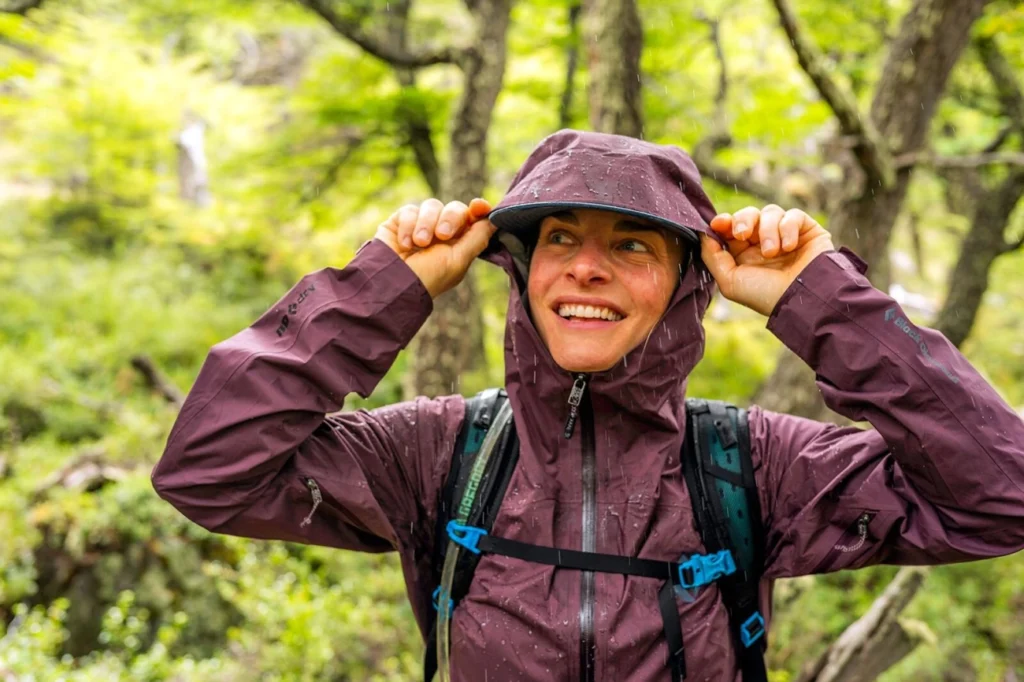
You’re planning a big hike on rugged terrain—jagged rocks, loose scree, slick roots, maybe a heavy pack on your back.
But here’s the problem: choose the wrong hiking boots, and you’re signing up for blisters, rolled ankles, sore knees, and zero confidence on technical sections.
The right boots, on the other hand, can feel like cheating:
- Locked-in ankle support on uneven, rocky trails
- Aggressive traction that actually grips wet rock and mud
- Durable protection so sharp stones and roots don’t beat up your feet
- All-day comfort under load, even with a multi-day backpack
In this guide, you’ll learn exactly how to choose the best hiking boots for rugged terrain—step by step. We’ll break down ankle support, traction, durability, waterproofing, cushioning, weight, and fit so you know what really matters and what’s just marketing fluff.
You’ll also see how to match your boots to your terrain, pack weight, and foot shape, plus how rugged-focused designs from brands like Megapickly are built for real abuse, not just store shelves.
Give this a few minutes, and you’ll know how to pick boots that keep you stable, protected, and confident when the trail gets rough.
Understanding Rugged Terrain
If you’re wondering how to choose the best hiking boots for rugged terrain, start by getting honest about the trails you’re actually on. “Rugged” isn’t just marketing talk—it’s specific trail conditions that can beat up both your body and your boots fast.
What Counts as Rugged Hiking Terrain?
When I say rugged terrain, I’m talking about trails that regularly include:
- Loose rock and scree – sliding pebbles, unstable rock, shale, talus fields
- Sharp, jagged rock – granite slabs, boulder hops, volcanic rock
- Steep climbs and descents – long, sustained grades that pound your knees and feet
- Rooty, washed-out paths – ankle-twisting holes, exposed roots, eroded sections
- Off-trail sections – light scrambling, side-hilling, bushwhacking
If your hikes involve rock-hopping, constant foot adjustments, and the occasional hand-on-rock move, you’re in rugged territory—and you need hiking boots that match.
How Rugged Terrain Stresses Your Boots and Your Body
Rugged terrain doesn’t just feel harder; it multiplies the stress on your gear and joints:
-
Boot stress:
- Outsoles grind down faster on sharp rock
- Uppers get shredded by abrasive granite and scree
- Weak stitching, cheap eyelets, and thin toe caps fail quickly
- Flex points crack or crease where the boot isn’t reinforced
-
Body stress:
- Ankles roll easier on loose rock and roots
- Feet take repeated impact on steep, rocky descents
- Knees and hips work harder to stabilize every step
- Hotspots and blisters show up faster when your feet slide inside the boot
This is where real hiking boots with ankle support and underfoot protection separate themselves from casual hiking shoes or trail runners.
When Regular Hiking Shoes Aren’t Enough
Regular low-cut hiking shoes or everyday trail runners can be fine for groomed trails. They start to fall apart—literally and figuratively—when:
- You’re carrying a heavier pack (overnight or multi-day trips)
- You’re dealing with continuous rock, not just a rocky patch or two
- You need solid edge hold on narrow, technical sections
- Your feet feel bruised after rocky hikes or your ankles are constantly sore
- The outsole rounds off quickly or you feel every sharp stone underfoot
If you’ve ever finished a hike thinking, “My feet got wrecked, not my cardio,” your terrain is rugged enough to justify more protective, durable hiking boots designed for rough trails.
Quick Checklist: Is Your Usual Trail Actually “Rugged”?
Run your main hiking area through this checklist. If you say “yes” to most of these, you’re in rugged-boot territory:
- [ ] Do you regularly walk on loose rock, scree, or boulder fields?
- [ ] Are the trails steep enough that you worry about toe bang on the descent?
- [ ] Do you often deal with exposed roots, washouts, or eroded gullies?
- [ ] Have you rolled an ankle or felt unstable with lighter shoes?
- [ ] Do your current shoes wear out in under a season on these trails?
- [ ] Do your feet feel bruised or beaten up after rocky hikes?
If you’re ticking several boxes, it’s time to look at best hiking boots for rocky terrain with real ankle support, better traction, and tougher materials built specifically for rugged trails.
Boot Types for Rugged Terrain
Hiking shoes vs hiking boots vs trail runners
For rugged terrain, I rank them like this:
-
Trail runners
- Best for: fast hikers, ultralight backpackers, mostly dry rocky trails
- Pros: very light, flexible, super breathable
- Cons: less ankle support, less rock protection, wear out faster on sharp rock
-
Hiking shoes
- Best for: well-built but rocky trails, day hikes with light packs
- Pros: more stable than runners, good traction and grip, still light
- Cons: limited ankle support on loose rock, scree, or off-trail
-
Hiking boots (mid/high)
- Best for: rough, uneven, steep, or off-trail hiking
- Pros: better ankle support on rugged trails, more underfoot protection, more durable
- Cons: heavier, warmer, take longer to break in
If your trails in the U.S. involve loose rock, roots, and steep descents, hiking boots or very protective hiking shoes usually beat trail runners.
Mid cut vs high cut hiking boots for rough trails
For rough, rocky terrain, boot height matters:
-
Mid-cut hiking boots
- Hit around the ankle bone
- Good for most rocky terrain and weekend backpacking
- Solid balance of support, mobility, and weight
-
High-cut hiking boots
- Come up well above the ankle
- Better when:
- You’re carrying a heavy pack
- Your ankles roll easily
- You’re on loose scree, talus, or sidehilling a lot
- More supportive, but heavier and warmer
If you’re mostly on U.S. mountain trails with rocks, roots, and some scree, I usually push people toward mid-cut; if you’re in the Rockies or Cascades with heavy loads and sketchy footing, go high-cut.
Lightweight vs heavy-duty boots for rocky terrain
On rocky terrain, the tradeoff is simple:
-
Lightweight hiking boots
- Feel fast and less tiring on long miles
- Great for day hikes and light loads
- Look for: rock plates, decent torsional rigidity, and real outsole traction
-
Heavy-duty hiking boots
- Built for sharp rock, long abuse, and heavy backpacks
- Stiffer midsoles, thicker leather, stronger toe caps
- Better if you’re in places like the Sierra, Colorado 14ers, or desert rock with abrasive sandstone
In the U.S., if you’re mostly doing weekend hikes with a moderate pack, lightweight but protective boots usually make more sense than old-school mountaineering tanks.
When backpacking boots beat day-hiking boots
Backpacking boots are worth it when:
- You’re carrying 30–40+ lbs regularly
- You’re hiking multi-day routes with long rocky descents
- You’re on remote, technical, or off-trail mountain routes
- You want durable leather hiking boots that last through seasons of abuse
Choose day-hiking boots when:
- Your pack is light
- Hikes are mostly under 10–12 miles
- You want comfort right out of the box over maximum stiffness
For most U.S. hikers, I match boots to reality: if you’re doing true backpacking with real weight on rugged terrain, go backpacking boots; if not, a solid day-hiking boot with good ankle support and traction is usually the smarter buy.
Key Features That Matter on Rough Trails
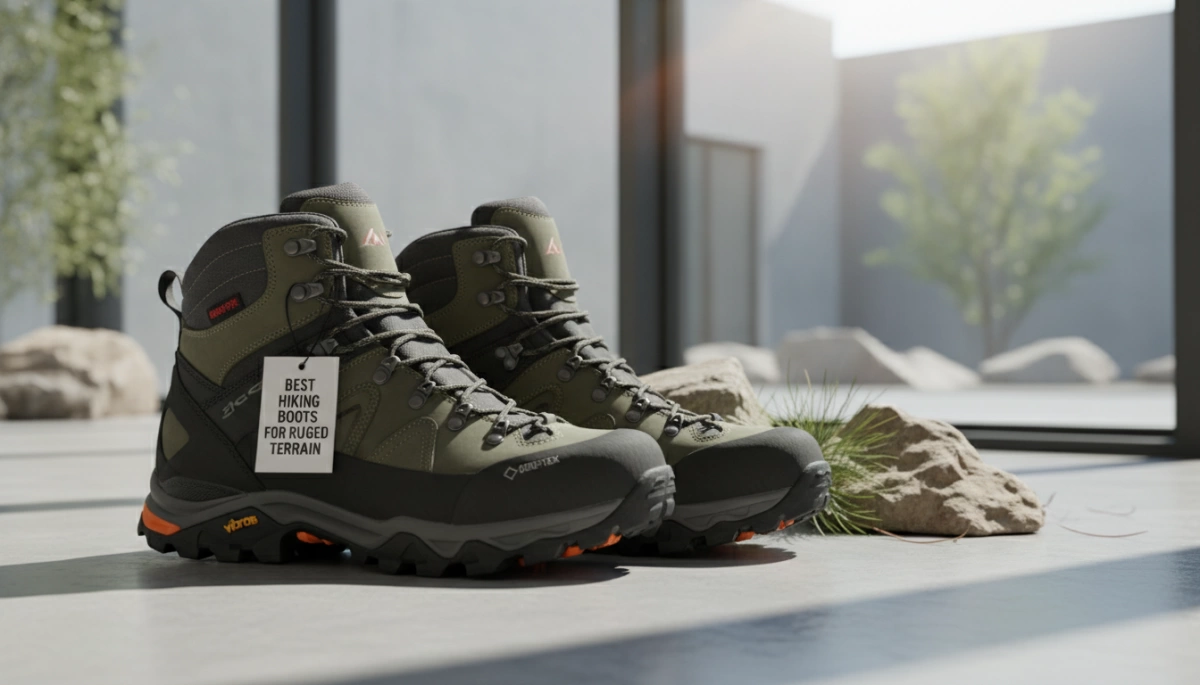
When I choose the best hiking boots for rugged terrain, I always check these core features first. Rough U.S. trails—rocky, rooty, muddy—punish weak boots fast.
Ankle Support and Boot Height
For hiking boots ankle support on rugged trails, height matters:
- Low-cut: Lighter, but less support on loose rock and sidehills.
- Mid-cut: Solid choice for most rocky and rooty U.S. trails.
- High-cut: Better for ankle history issues or heavy backpacking loads.
Rule of thumb:
- If you’re carrying 30+ lbs or hiking steep, rocky mountain trails, lean mid or high cut.
Outsole Traction and Grip (Rocks, Roots, Mud)
Good hiking boot traction and grip on rough terrain is non-negotiable.
Look for:
- Deep lugs (4–5 mm) for mud and loose gravel
- Aggressive heel brake for downhills
- Sticky rubber (like Vibram sole hiking boots) for slabby rock
Quick trail test:
If your current boots slip on wet roots, wet rock, or loose dust over rock, it’s time to upgrade the outsole.
Rock Plates, Shanks, and Underfoot Protection
On rocky U.S. trails, rock plates and shanks save your feet:
- Rock plate: Thin, stiff layer under the forefoot that blocks sharp rocks
- Shank: Stiffener under the midfoot for torsional rigidity and stability
Use this guide:
- Technical rocky terrain / scree → Get boots with a shank + rock plate
- Mellow dirt / forest trails → You can go lighter and more flexible
Upper Materials and Durability
For durable hiking boots for rocky terrain, the upper matters:
| Upper Material | Pros | Cons |
|---|---|---|
| Full-grain leather | Very durable, great support | Heavier, warmer, longer break-in |
| Split / nubuck leather | Good balance of support + comfort | Needs care to stay waterproof |
| Synthetic (nylon, mesh) | Light, dries faster, cooler | Less durable on sharp, abrasive rock |
If you hike Southwest desert rock, Sierra granite, or New England roots, I’d favor leather or leather/synthetic hybrids with toe and heel protection.
Waterproof vs Non-Waterproof
For waterproof durable hiking boots for mountains, think climate and season:
-
Waterproof (Gore-Tex, similar membranes)
- Best for: wet shoulder seasons, snowy trails, shallow creek crossings
- Downside: runs warmer; can feel swampy in hot, humid states
-
Non-waterproof (more breathable)
- Best for: hot, dry Western states, summer trips, faster hikers
- Dries faster if soaked
If you’re in the Pacific Northwest, Rockies in spring/fall, or the Northeast, waterproof makes sense. In Arizona, Utah, SoCal summer, I often go non-waterproof for heat relief.
Cushioning, Stability, and Boot Weight
Good cushioning and stability in hiking boots is huge for steep descents and long days.
-
Cushioning:
- More for steep downhill and heavy backpacking
- Less (firmer feel) for technical control on rock
-
Stability:
- Stiffer midsoles = better on uneven, rocky ground
- Soft, twisty soles = more foot fatigue and rolled ankles
-
Weight:
- Heavy boots = more protection, but more fatigue
- Lightweight boots = faster, but you must confirm enough support and underfoot protection
If you’re doing all-day hikes in the Rockies or Appalachians with elevation gain, aim for a light-to-midweight boot with a supportive midsole.
Fit, Toe Box, and Foot Shape Match
Even the best tech doesn’t matter if the hiking boots don’t fit properly.
Check these:
- Toe box space:
- Enough room to wiggle toes
- No toe bang on descents
- Heel lock:
- Minimal heel lift when walking uphill
- Midfoot hold:
- Snug, not crushing; boot shouldn’t slide side-to-side on off-camber rock
- Foot shape match:
- Wide, narrow, high-volume, low-volume—choose brands that match your shape
For rugged terrain in the U.S., I always:
- Wear my real hiking socks when testing
- Walk up and down a ramp or stairs
- Reject any boot that rubs, pinches, or bangs toes right away—those problems usually get worse on trail, not better.
Ankle Support and Stability on Rugged Trails
Who really needs high-cut hiking boots?
For rugged terrain, high-cut hiking boots with real ankle support make sense if you:
- Carry a heavy backpacking load (25–30+ lbs) on steep, rocky trails
- Hike off-trail on loose rock, scree, or talus
- Have a history of ankle rolls, sprains, or weak ankles
- Hunt, scramble, or move fast with a pack in the mountains
- Do long days in remote backcountry where an ankle injury would be a big problem
If any of that sounds like you, a high-cut, supportive leather or hybrid boot is worth it, even if it’s heavier.
Mid-cut hiking boots for rocky, uneven trails
If you mostly hike:
- Rocky, uneven trails with some roots and ledges
- Day hikes or light overnights with a moderate pack
- Steep but established mountain trails (think Colorado 14ers, White Mountains, Sierras)
Then mid-cut hiking boots are usually the sweet spot:
- Better stability than low hiking shoes or trail runners
- Enough cuff height to help control side-to-side ankle movement
- Lighter and less tiring than most full-height backpacking boots
They’re some of the best hiking boots for rocky terrain if you want a balance of comfort and control.
Lacing techniques that boost ankle support
You can upgrade your hiking boots’ ankle support just by lacing smarter:
- Heel lock (runner’s loop):
- Use the top eyelets to create small loops
- Cross the laces through the loops, then pull down and tie
- Locks your heel in place on steep descents
- Surgeon’s knot:
- Wrap the laces around each other twice at the point where your foot bends
- Helps separate lower foot tension from upper ankle tension
- Snug over the instep, firm at the ankle, not choking at the top
These tricks are quick to learn and make a big difference on rugged, uneven terrain.
Signs your current boots don’t support your ankles enough
If your hiking boots’ ankle support isn’t cutting it, you’ll usually notice:
- Frequent ankle rolls on sidehill or loose rock
- Your foot feeling like it’s “swimming” inside the boot on rough trails
- Heel lift and rubbing on climbs, or toe bang on descents
- Sore ankles or lower legs after technical hikes or backpacking loads
- You constantly retie your laces tighter just to feel secure
If you’re ticking more than one of these boxes on rugged hikes, it’s probably time to move to a more supportive mid-cut or high-cut boot with better stability, traction, and fit for rough terrain.
Traction, Grip, and Outsoles for Rugged Terrain
When I’m choosing the best hiking boots for rocky terrain, I treat the outsole like my insurance policy. On rugged U.S. trails—think Rockies granite, East Coast roots, or loose desert rock—traction and grip matter more than almost anything else.
Best Sole Patterns for Rocky Terrain and Scree
For rough, rocky trails and scree, I want:
- Multi-directional lugs – Chevron or angled shapes for braking on descents and pushing off on climbs.
- Edge bite – Defined edges around the forefoot for side-hilling and scrambling on slabs.
- Climbing zone at the toe – A flatter rubber patch at the front helps on steep rock and technical moves.
Look for outsoles marketed for “rocky terrain,” “alpine,” or “scrambling” rather than soft forest paths.
Lug Depth and Spacing for Mud and Loose Gravel
On muddy, loose, or mixed trails:
- Lug depth:
- 4–5 mm = good all-around.
- 5–6+ mm = better for deep mud and loose scree.
- Lug spacing:
- Wider spacing sheds mud and clay (huge for the Pacific Northwest, Appalachians, and Southeast).
- Tighter patterns grip rock well but can clog in wet dirt.
If you hike a lot in mud, wet leaves, and loose gravel, favor deeper, widely spaced lugs.
Vibram Soles and High-Grip Rubber Compounds
For hiking boot traction and grip on rough terrain, rubber quality matters as much as pattern:
- Vibram soles – Still the benchmark for rocky paths and mixed mountain terrain; many premium rugged boots use it.
- Soft rubber compounds – Grip rock and dry slab better but can wear faster on sharp scree.
- Harder rubber – More durable for long, rocky miles but can feel slick on wet rock.
For U.S. mountain hikes (Colorado, Sierra, White Mountains), I usually lean toward Vibram or similar high-friction compounds over generic rubber.
How to Test Traction in the Store or at Home
I don’t trust traction claims until I test them myself:
- In-store:
- Find a ramp, rock-textured panel, or stairs.
- Walk up and down at an angle, try to side-hill, and see if the sole slips.
- At home:
- Carefully test on dry concrete, a curb edge, and a wood step.
- Stand on a slight incline and twist your foot; the boot should “grab,” not skate.
- On trail (short test hike):
- Try loose gravel, roots, and small rocks near home or a local park.
- If you slide a lot on mild terrain, that boot’s probably not right for rugged hikes.
For waterproof durable hiking boots for mountains, I always pair a sturdy, supportive upper with an outsole built for real traction on rock, mud, and loose terrain—anything less is a compromise I’m not willing to make.
Durability and Protection for Rugged Hiking Boots
When I’m choosing the best hiking boots for rocky terrain, I look at durability and protection first. Rugged trails in the U.S.—think Rocky Mountains, Utah desert, Adirondack roots—will shred weak boots fast.
Full-Grain Leather vs Synthetic Hiking Boots
For waterproof durable hiking boots for mountains:
- Full‑grain leather
- Most durable and protective
- Better for off-trail, sharp rock, heavy backpacking loads
- Break-in takes longer, usually heavier, but lasts longer if cared for
- Synthetics (nylon, engineered mesh + overlays)
- Lighter and dry faster
- Great for lightweight hiking boots for technical trails
- Not as long-lasting under constant rock scraping
If you bushwhack, scramble, or carry big backpacking loads a lot, I’d lean full‑grain leather. For faster, hot-weather missions, synthetics make more sense.
Reinforced Toe Caps and Heel Counters
On rough terrain, hiking boots ankle support rugged trails isn’t just about height—the structure matters:
- Toe caps (often rubber or TPU):
- Protect your toes from stubbing on rock and roots
- Add durability when you jam your boots into cracks or scree
- Heel counters:
- Stiffen the back of the boot for better stability on sidehills
- Help lock the heel to cut down on blisters under heavy loads
If you hike rocky trails out West or on East Coast rooty mess, don’t skip reinforced toes and solid heels.
Rubber Rands and Abrasion Resistance
For hiking boot traction and grip on rough terrain, you also need the upper to survive:
- Full or partial rubber rand (wrap around the boot):
- Shields leather or synthetic from sharp rock and scree
- Huge plus for scrambling, talus, and volcanic rock
- Abrasion-resistant fabrics:
- Tight-weave nylon or ripstop panels last longer than soft mesh
- Look for extra overlays in high-wear spots (inside ankle, toe, outside forefoot)
If you hike in places like Colorado 14ers, the Sierra, or New Hampshire’s granite, a rand is almost mandatory.
How Long Rugged Hiking Boots Should Really Last
Realistically, for durable leather hiking boots for backpacking in U.S. mountain conditions:
- Light synthetics, used hard on rocky trails: 1–2 seasons
- Quality leather or burly synthetics, used regularly: 2–4 seasons
- Heavy-duty leather backpacking boots with good care: 4–6 seasons (sometimes longer)
Boots on rugged hikes fail early when:
- The outsole lugs are worn nearly flat (traction gone)
- The midsole feels dead and offers no cushioning or stability
- The upper is deeply cracked, torn, or separating from the sole
I always tell people: if you’re doing serious mountain miles, plan on boots being a consumable tool. The key is choosing rugged hiking boots that protect you and last long enough to be worth the money.
Waterproof Hiking Boots for Rugged Terrain
When I’m choosing the best hiking boots for rocky terrain in the U.S., I look at waterproofing and breathability as a package deal. On rugged trails, staying dry matters, but so does not steaming your feet.
When You Actually Need Waterproof Hiking Boots
You really want waterproof durable hiking boots for mountains if you often deal with:
- Wet, muddy, rooty trails (Pacific Northwest, Appalachians, shoulder seasons)
- Snow, slush, or mixed spring conditions
- Stream crossings and wet grass on early morning starts
- Long days in cold, windy weather where wet feet mean cold feet fast
You can usually skip waterproofing and go more breathable if:
- You hike mostly in hot, dry states (Arizona, Utah, Nevada)
- Your rugged terrain is rocky and dusty, not muddy
- You don’t mind your feet getting a bit wet from dew or quick splashes
Gore-Tex and Other Waterproof Membranes (Simple Version)
Most waterproof hiking boots in the U.S. use a thin membrane:
- Gore-Tex (GTX) – the big name. Waterproof, fairly breathable, used in a ton of Vibram sole hiking boots and backpacking boots.
- eVent, DryVent, Omni-Tech, proprietary “waterproof” liners – similar idea, some breathe a bit better or worse.
In plain terms:
- They block outside water from getting in
- They let some moisture vapor escape from sweat
- They work best when:
- The outside of the boot isn’t totally soaked 24/7
- You’re not in extreme heat and humidity
Breathable Options for Hot, Rugged Climates
If you’re hiking rugged trails in places like Colorado in summer, desert Southwest, or hot East Coast days, full waterproof boots can be overkill. Look at:
- Non-waterproof, mesh-heavy hiking boots or trail runners
- Lightweight hiking boots for technical trails with:
- Vent panels
- Thinner liners
- Faster drying uppers
These are usually better when:
- You need less sweat, more airflow
- You want boots to dry fast after water crossings
- Your focus is grip, cushioning, and stability, not staying bone-dry all day
How to Keep “Waterproof” Boots from Becoming Sweat Boxes
To keep waterproof rugged boots from roasting your feet:
- Match socks to conditions
- Use light or midweight wool socks (not cotton)
- In hot weather, go thinner and more breathable
- Open them up on breaks
- Loosen laces and pull the tongue forward
- Let heat and moisture vent out while you snack
- Dry them right after hikes
- Pull insoles out
- Stuff with newspaper or use a boot dryer on low
- Size and fit matter
- A snug midfoot with roomy toe box space helps airflow
- If they’re too tight, they trap heat and moisture
If you mainly hike in wet, cold, or mixed mountain weather with a heavy backpacking load, I lean toward waterproof hiking boots with solid ankle support and rock plate protection. For hot, rocky, dry trails, I go more breathable and accept that my feet might get wet, but they’ll dry fast and stay cooler.
Cushioning, Support, and Weight in Hiking Boots for Rugged Terrain
When I’m choosing the best hiking boots for rocky terrain, I always look at three things together: cushioning, support, and weight. They decide how my feet feel at mile 2 and at mile 12.
Shock absorption for steep descents and loaded packs
On rough, steep trails—especially out West or in the Appalachians—good shock absorption is non‑negotiable.
Look for:
- Medium to firm midsole cushioning (usually EVA or PU)
- Enough padding under the heel for downhill braking
- A bit more cushion if you’re carrying heavier backpacking loads
If your boots feel “dead” or you feel every rock on descents, you don’t have enough shock absorption for rugged hikes.
Torsional rigidity for uneven rocky ground
For rough, uneven ground, you want torsional rigidity—boots that don’t twist like a sneaker.
What helps:
- A stiff midsole or nylon shank for stable edging on rocks
- Less side-to-side flex so your foot doesn’t roll on loose rock or scree
- Enough front-to-back flex to still walk naturally
If you can easily wring the boot like a towel, it’s usually too soft for serious rocky terrain.
Balancing lightweight feel with real protection
Most hikers in the US want boots that feel light but still protective on technical trails.
Solid balance:
- Lightweight hiking boots for rocky terrain if you move fast and carry light
- Slightly heavier, more supportive boots if you’re backpacking, scrambling, or off-trail
- Rock plates or firm midsoles to block sharp stones without feeling like ski boots
If a boot feels like a tank, you won’t want to wear it. If it feels like a running shoe, it may not protect you on serious rock.
How boot weight affects fatigue on long rugged hikes
Boot weight adds up fast over long days.
Keep in mind:
- Extra ounces on your feet feel heavier than extra ounces in your pack
- Heavier boots can be worth it for ankle support and durability on rugged trails
- If you’re doing long miles in the Rockies, Sierras, or White Mountains, aim for the lightest boot that still gives enough support and protection
If you finish every rough hike with your legs smoked and feet dragging, your boots are probably too heavy or not supportive enough for the terrain you’re on.
Nailing the Right Fit for Rugged Hiking Boots
Getting the best hiking boots for rugged terrain starts with fit. If the fit is off, it doesn’t matter how good the traction or waterproofing is—you’ll hate them by mile three.
How hiking boots should fit for rugged terrain
For rough, rocky trails and mountain terrain, here’s the fit I aim for:
- Snug heel, secure midfoot, relaxed toes
- No heel lift when you walk uphill
- No toe bang when you walk downhill
- A locked-in feel without any numbness or pinching
Rule of thumb: your feet should feel supported, not squeezed. On rugged terrain, any extra movement inside the boot turns into blisters fast.
Toe box space, heel lock, and midfoot hold
Dial these three in, and you’re 80% of the way there:
-
Toe box space
- About a thumb’s width between your longest toe and the front
- Toes can wiggle and splay on descents and rocky steps
- If your toenails hit the front when you stomp downhill, it’s the wrong boot
-
Heel lock
- Your heel should barely move—a tiny lift is okay, sliding is not
- Use heel-lock lacing if you feel slipping on climbs
- If your heel rubs during a short walk test, it’ll be a hotspot on the trail
-
Midfoot hold
- The area over your arch should feel secure and hugged
- No side-to-side rolling when you edge on rocks
- If you have to crank laces super tight to feel locked in, the boot shape isn’t right for you
Wide, narrow, and high-volume feet
Not every rugged boot fits every foot. In the U.S., brands and models vary a lot in shape:
-
Wide feet
- Look for boots that offer wide sizes (2E/EE) or clearly mention “wide”
- Prioritize a roomy toe box and avoid narrow, pointy shapes
- If your pinky toe feels pressure right away, pass on that model
-
Narrow feet
- Go for boots with a slimmer heel and midfoot
- Use thicker hiking socks or aftermarket insoles to fill extra volume
- If you’re swimming in the boot even when laced tight, it’s not your boot
-
High-volume or high instep
- Look for boots with deeper interiors and softer tongues
- Avoid models that feel tight over the top of your foot, even when loosely laced
- If you feel pressure on the top of your foot just standing, it’ll be worse on steep climbs
Sock choice, insoles, and dealing with hotspots
The right combo of socks and insoles can turn a good fit into a perfect fit for rugged trails:
-
Socks for rugged terrain
- Use hiking-specific socks (merino or synthetic), not cotton
- Medium or light cushion works well for most U.S. mountain and desert trails
- Match your sock thickness to the fit:
- Slightly loose boot → thicker sock
- Slightly snug boot → thinner sock
-
Insoles and support
- Stock insoles are usually basic; consider aftermarket insoles for better arch support and heel hold
- Insoles can:
- Reduce heel lift
- Improve stability on rocky ground
- Help if you get foot fatigue on long rugged hikes
-
Dealing with hotspots
- A hotspot is a warm, rubbing spot that feels like a blister is coming
- Fix it early:
- Stop and adjust lacing
- Add blister tape or moleskin on that area
- Swap to a thinner or smoother sock if friction is the issue
- If the same hotspot shows up on every short hike, that boot shape probably doesn’t match your foot
If you’re serious about hiking boots for rocky terrain and rugged trails, put fit first. A boot that locks your heel, holds your midfoot, and gives your toes room will feel safer, more stable, and way more comfortable on every climb and descent.
Step-by-Step Boot Buying Guide for Rugged Terrain
When I’m picking the best hiking boots for rugged terrain, I follow a simple system. It keeps things honest and saves me from buying the wrong pair just because they “look cool.”
Step 1: Define Your Terrain and Hiking Style
Before you add anything to cart, get clear on how you really hike:
- Terrain
- Mostly rocky trails, scree, and granite slabs?
- Muddy, rooty East Coast trails (Appalachians, Smokies)?
- High desert, sharp rock, loose gravel (Utah, Arizona)?
- Distance & load
- Short day hikes with a light pack?
- Multi-day backpacking with 25–40+ lb loads?
- Climate
- Wet Pacific Northwest? Hot Southwest? Mixed mountain weather?
This decides if you need:
- Lightweight hiking boots or trail runners for fast technical trails
- Mid-cut or high-cut hiking boots for ankle support on rough, uneven terrain
- Waterproof durable hiking boots for mountains and wet conditions
Step 2: Match Boot Category to Your Needs
Use your answers to slot into a boot type:
- Trail runners / light hiking shoes
- For: Fast hikers, lighter packs, good fitness
- Best on: Well-defined trails, some rocky sections
- Mid-cut hiking boots
- For: Most rocky, rooty, uneven trails
- Balance of ankle support, cushioning, and weight
- High-cut backpacking boots
- For: Heavy packs, off-trail routes, long trips in rugged mountains
- More torsional rigidity, rock plate protection, and support
If you’re hauling a backpacking load on rocky mountain trails, I lean straight to mid or high-cut boots with strong ankle support and a solid shank.
Step 3: Shortlist and Compare 3–5 Rugged Models
Don’t try to look at 20 pairs. Narrow it down fast:
- Filter by:
- Terrain: rocky, scree, muddy, alpine
- Cut: mid-cut vs high-cut hiking boots
- Waterproof: Gore-Tex or other membrane vs non-waterproof
- Weight: lightweight vs heavy-duty boots
- Look for:
- Vibram sole or similar high-grip outsole
- Rock plate or shank for underfoot protection
- Reinforced toe cap and heel, durable upper (leather or tough synthetic)
Pick 3–5 models that fit your terrain, climate, and pack weight. Those are your test group.
Step 4: Try Boots On the Right Way (In-Store or at Home)
This is where most U.S. hikers mess up: they rush this part.
When you test fit:
- Wear the same hiking socks you actually use
- Try on both boots, laced to the top
- Stand, walk, and do quick uphill/downhill steps on a ramp or stairs
- Check:
- Toe box space: toes can wiggle; no toe bang when walking downhill
- Heel lock: minimal heel lift on inclines
- Midfoot hold: snug but not crushing
If any boot feels “off” in the store, it will feel worse on a 12-mile rocky trail. Pass on it.
Step 5: Do a Mini Field Test Before Big Hikes
Before you trust new boots on a Colorado 14er or a Grand Canyon trip, do a quick shakedown:
- 1–3 short hikes on local rough terrain:
- Rocks, roots, small descents
- Pay attention to:
- Hotspots, rubbing, toe jam
- Ankle support on sidehills
- Grip on rocks, loose gravel, and wet sections
Light soreness is normal; sharp pain, numbness, or repeat hotspots are not. If they fail the mini test, exchange them before you ruin your feet.
Simple Boot Buying Checklist (Save or Screenshot)
- [ ] I know my terrain (rocky / muddy / scree / mixed)
- [ ] I know my pack weight (light / moderate / heavy)
- [ ] I chose the right category (trail runner / mid-cut / high-cut)
- [ ] I picked 3–5 rugged hiking boot models to compare
- [ ] Boots have solid traction and grip for rough terrain
- [ ] Good ankle support for how I actually hike
- [ ] Enough toe box space, secure heel, snug midfoot
- [ ] I tested them in the right socks, on inclines and declines
- [ ] I did a short field test on local rough trails
- [ ] No serious hotspots, toe bang, or stability issues
Follow this and you’ll end up in hiking boots that actually match your rugged terrain, your backpacking load, and the way you hike in real U.S. conditions—not just what looks good on a shelf.
Trying Hiking Boots On the Right Way
When to shop and what socks to wear
If I’m choosing the best hiking boots for rugged terrain, I treat the try-on like a test hike, not a casual store visit.
- Shop late afternoon or evening – your feet swell during the day, just like on a long trail.
- Wear the same hiking socks you’ll use on rocky terrain (or bring them):
- For most U.S. hikes: light to midweight merino hiking socks
- If you get blisters easily: thin liner sock + hiking sock combo
- Bring any insoles or orthotics you actually hike with. Fit changes a lot once those are in.
This is how you get a real feel for fit, ankle support, and stability before you commit.
Walk tests for uphill and downhill fit
You want to know right away if these boots will handle steep climbs and descents on rough trails.
In the store or at home, do this:
- Find a ramp, step, or inclined surface (many outdoor shops have a fake rock or slope).
- Uphill test:
- Walk up and focus on midfoot hold.
- Your heel should feel locked in, not sliding.
- Downhill test:
- Walk down with purpose, like you’re on a rocky descent.
- Your toes should not slam the front of the boot.
- Feet should feel centered, not sliding forward.
If they don’t pass these simple uphill/downhill walking tests, they won’t feel better on a real mountain.
Quick heel lift and toe bang checks
For rugged trails, small fit problems turn into big pain fast.
Do these quick checks:
- Heel lift test
- Lace boots the way you’d wear them on the trail.
- Stand and lift one heel like you’re taking a step.
- Acceptable: slight movement but your heel stays mostly planted.
- Bad for rocky terrain: your heel lifts more than ~¼ inch or you feel rubbing right away.
- Toe bang test
- Stand on a decline (or lean forward on a ramp).
- Tap your toes forward inside the boot.
- You should have wiggle room but no hard impact on the front.
- On rugged descents, toe bang = black toenails and lost nails.
These checks help you choose hiking boots with enough toe box space, proper length, and real heel lock for rough terrain.
Red flags that mean you should pass on a boot
If I feel any of these when trying on hiking boots for rocky, uneven trails, I move on immediately:
- Hot spots within 5–10 minutes (burning or pressure on bunions, pinky toe, top of foot)
- Numbness or tingling in toes or forefoot after lacing
- Ankle bone rubbing on the collar or odd pressure from the tongue
- Heel slipping no matter how you lace
- Toes touching the front even when standing flat
- You feel like you’re walking on an angle (poor torsional stability)
- The boot feels “okay” but you’re already thinking “they might break in”
On rugged terrain, “good enough” boots turn into a problem fast. If you’re buying hiking boots for rough, rocky, or mountain trails, only keep pairs that feel secure, stable, and comfortable right away—even in a short try-on.
Breaking In Boots for Rugged Terrain
Which rugged hiking boots actually need break-in?
Not every pair of hiking boots for rugged terrain needs a long break-in.
-
Needs real break-in:
- Full-grain leather backpacking boots
- Heavy-duty, high-cut boots with stiff midsoles and shanks
- Durable leather hiking boots built for heavy loads and rocky terrain
-
Minimal break-in:
- Lightweight synthetic hiking boots
- Trail runners and flexible day-hiking shoes
- Mid cut hiking boots with softer uppers and more cushioning
If a boot feels like a ski boot out of the box, it probably needs a break-in plan before you trust it on rough, rocky trails.
Safe break-in plan before a big mountain trip
If you’re buying the best hiking boots for rocky terrain right before a trip, you need structure, not guesswork:
-
Day 1–2: Home wear (1–2 hours)
- Wear your usual hiking socks and insoles.
- Walk around the house, up and down stairs.
- Lightly adjust laces to test ankle support and heel lock.
-
Day 3–5: Short walks on pavement (30–60 minutes)
- Add more time each day.
- Pay attention to hotspots, heel slip, and toe space.
-
Day 6–10: Local rough terrain (1–3 miles)
- Find a rocky park, trail, or steep hill.
- Test traction and grip, especially on descents.
- Try different lacing techniques for more ankle support.
-
Final test: Loaded hike (your pack weight)
- Wear the pack weight you’ll use in the mountains.
- If pain or bad hotspots show up before mile 3–4, rethink the boots.
How to spot pressure points early
Don’t wait for full-on blisters. Catch problems early:
-
Common pressure spots:
- Top of foot near the laces
- Outside of the big toe or pinky toe
- Heel rubbing or slipping
- Ankle bones hitting the collar
-
Quick checks:
- If a spot hurts within 20–30 minutes, that’s a red flag.
- If loosening or re-lacing doesn’t fix it, the shape may not match your foot.
- Look for red skin, hot areas, or numb toes right after taking boots off.
Use moleskin, tape, or blister patches on hot spots during break-in to protect your feet while you test.
What to do if your new hiking boots keep hurting
If your rugged hiking boots still hurt after a smart break-in:
-
Try simple fixes first:
- Swap in better insoles for arch support and cushioning.
- Use different lacing patterns to relieve pressure on the top of the foot.
- Test thinner or thicker hiking socks to tweak volume and heel lock.
-
Set a limit:
- If you’ve done 20–30 miles total in mixed terrain and they still cause real pain, they’re probably not right for your foot shape.
- Don’t force it “because they’re expensive.” Bad-fit boots on rugged terrain can wreck your trip.
-
For US shoppers buying online:
- Keep tags and the box until you’re sure.
- Do all early testing indoors or on clean surfaces if you might return them.
- Use that return window—send them back and try a different model or width.
Breaking in boots for rugged terrain should feel like a gradual “getting better,” not a fight. If they’re not improving, move on and find hiking boots that actually work with your feet and your trails.
Common Mistakes When Buying Rugged Hiking Boots
Buying For Looks, Not The Terrain
A lot of people in the U.S. grab the “cool-looking” pair and then hate them on rocky, technical trails.
Before you buy, match the boot to your real terrain:
- Rocky Colorado / Utah trails: prioritize underfoot protection, rock plates, and Vibram sole traction over style.
- Wet East Coast roots and mud: focus on grip, waterproofing, and stability.
- Desert and Southwest heat: go lighter and more breathable, even if they look less “beefy.”
Looks don’t keep your ankles safe on scree or your feet secure on steep descents. Fit and function do.
Going Too Stiff Or Too Heavy
It’s easy to overbuy and end up with mountaineering-level boots for basic state park trails. That’s a mistake.
- Too stiff: feels like walking in ski boots; bad for day hikes and casual rugged trails.
- Too heavy: drains energy fast on long climbs and hot days.
For most U.S. hikers on rugged terrain, a supportive mid-cut hiking boot with decent stiffness (not a brick) works better than a full-on expedition boot.
Trusting “Waterproof” Labels Blindly
“Waterproof” on the box doesn’t mean it’ll keep you dry in real mountain weather.
- Test at home: stand in a tub, shallow creek, or wet grass for a few minutes.
- Remember: waterproof = less breathable. In hot, rugged climates like Arizona, you may be better off with non-waterproof but fast-drying boots.
If you hike in the Pacific Northwest, Appalachians, or high mountains, sure, waterproof durable hiking boots matter—but don’t assume every membrane performs the same.
Ignoring Fit Because “They’ll Stretch”
Rugged hiking boots do not magically turn into slippers.
- If your toes hit the front going downhill, pass.
- If your heel lifts a lot on uphill steps, pass.
- If the midfoot feels crushed, pass.
Real leather might relax a bit; synthetic boots barely stretch at all. When you’re fitting hiking boots for rocky terrain, they should feel secure and comfortable out of the box, with enough toe room and solid heel lock.
Copying Someone Else’s Favorite Boot
Your buddy’s “best hiking boots for rocky terrain” might wreck your feet. Foot shape is personal.
- Wide feet, narrow feet, high arches, flat feet—each needs different fit, toe box space, and support.
- Don’t buy a model just because it’s popular on Reddit or YouTube.
Use other people’s favorites as a shortlist, then choose the pair that actually matches your foot shape, your pack weight, and your local terrain. That’s how you end up with rugged hiking boots that work in the real world, not just in reviews.
Matching Boots to Specific Rugged Conditions
When you’re dialing in how to choose the best hiking boots for rugged terrain, match your boots to the exact conditions you hike in. That’s where performance really changes.
Best hiking boots for rocky and scree-filled trails
On loose rock and scree, you want control and underfoot protection more than anything.
Look for:
- Stiff or semi-stiff midsoles (good torsional rigidity) so your foot doesn’t twist on sharp rocks
- Rock plates or shanks to block bruising from jagged stones
- Aggressive Vibram-style outsoles with sticky rubber for grip on granite and slab
- Reinforced toe caps and rubber rands for smashing into rocks without feeling it
- Mid or high-cut boots with solid ankle support if you’re side-hilling or on talus
If most of your local U.S. hikes are rocky (Colorado, Utah, Sierra, Adirondacks), prioritize stability, rock protection, and traction over being ultra-light.
Boot features for wet, muddy, rooty paths
For East Coast-style mud and roots, or Pacific Northwest slop, traction and waterproofing matter more.
You’ll want:
- Deep, widely spaced lugs so mud sheds instead of caking
- Soft, grippy rubber for slick roots and wet boardwalks
- Waterproof membranes (like Gore-Tex) plus a decent cuff height to keep puddles out
- Supportive midsoles for uneven, rooty ground
- Protective uppers that don’t soak up water and stretch out
This is where waterproof durable hiking boots for mountains and forests shine. Just make sure they’re not so hot that your feet overheat in summer.
Boots for steep technical climbs and descents
On steep, technical trails (think big elevation gain, rock steps, ledges), your boots must lock your foot in and control your descent.
Prioritize:
- Strong heel hold so your foot doesn’t slide and kill your toes on the way down
- Firm midsoles for edging on rock and side slopes
- Precise fit in the midfoot so your foot doesn’t slop around
- Good forefoot protection for kicking steps or jamming into rock
- Reliable lacing system that lets you dial in different tension for climbs vs descents
If you’re doing Colorado 14ers, White Mountains, or SoCal peak-bagging, choose hiking boots with ankle support and stable midsoles over softer, casual trail shoes.
Choosing hiking boots for multi-day backpacking with heavy loads
When you’re carrying 30–50+ lbs over rugged terrain, the boot becomes part of your suspension system.
You should focus on:
- Backpacking-grade midsoles (stiffer, more supportive) to handle the weight
- High-cut or solid mid-cut boots for more ankle support under a heavy pack
- Durable leather or tough synthetic uppers that hold shape after days on trail
- Cushioning and shock absorption for long days and steep descents
- Roomy, but secure fit (enough toe space, locked-in heel)
For U.S. backpacking trips like the JMT, AT sections, or long weekends in the Rockies, go with durable leather hiking boots or proven backpacking models, not ultralight runners.
Boot choices for mixed and unpredictable mountain weather
Mountain weather in the U.S. is often all over the place—sun, rain, wind, maybe some early or late-season snow.
Smart choices here:
- Waterproof boots with good breathability (Gore-Tex or similar) for sudden storms
- Medium-weight boots: not super heavy, but protective enough for rough terrain
- Grippy all-conditions outsoles that handle wet rock, loose gravel, and a bit of snow
- Protective uppers with rubber rands to deal with scree, slush, and abrasion
- Room for slightly thicker socks when temps drop
If your local playground is the Rockies, Cascades, Sierra Nevada, or high desert plateaus, aim for versatile, waterproof, durable hiking boots that balance traction, support, and weather protection so you’re not caught off guard when conditions flip mid-hike.
Real-World Testing Your New Hiking Boots for Rugged Terrain
How to Test Boots on Local Rough Terrain
When I test new hiking boots for rugged terrain, I try to copy the kind of abuse they’ll see in the mountains:
- Find real texture: local park hills, rocky creek beds, construction gravel, stairwells, or a steep driveway
- Test different surfaces: rocks, roots, loose gravel, wet grass, light mud
- Load up: wear your usual hiking pack with some weight to see how the boots handle under load
- Vary the moves:
- Short, steep uphill and downhill
- Side-hilling (walking along a slope)
- Quick stops and sharp turns
Pay attention to ankle support, traction and grip, underfoot rock protection, and overall stability on that rough terrain.
What Normal “New Boot” Discomfort Feels Like
Even the best hiking boots for rocky terrain can feel a little off at first. Normal break-in discomfort usually looks like:
- Slight stiffness in the ankle and tongue
- Mild pressure across the top of the foot or around the heel collar
- Light rubbing that goes away after a few short hikes
- Feet feeling “worked” but not “beat up” after an hour or two
This kind of discomfort should improve with each test hike, not get worse.
Warning Signs the Boot Isn’t Right for You
If you feel any of this on your test hikes, the boot probably isn’t a match for your foot:
- Toe bang on downhill, even with good lacing
- Hotspots turning into blisters in under an hour
- Sharp pressure on the outside of your foot, bunions, or pinky toe
- Numbness or tingling in toes or forefoot
- Heel lift you can’t fix with lacing (more than a tiny slip)
- Ankle feeling wobbly or unsupported on uneven ground
For rugged trails, you can’t “tough this out.” If these show up early, I move on to another model.
Adjustments to Try Before Giving Up on a Pair
Before you write off a new pair of waterproof durable hiking boots or leather backpacking boots, I always try a few tweaks:
- Change the lacing:
- Heel lock / runner’s knot for better heel hold
- Skip an eyelet over pressure points
- Swap socks: try slightly thicker or thinner hiking socks
- Add or change insoles: more arch support or a bit more cushioning and stability can solve hot spots
- Shorter break-in sessions: 30–60 minutes on rough local terrain instead of jumping straight into a 10-mile hike
If they still hurt in the same spots after 2–3 real-world tests, I treat that as a clear sign the fit or boot shape just doesn’t work for my feet—and I return them while I still can.
Caring for Rugged Hiking Boots
Taking care of rugged hiking boots is non‑negotiable if you’re hiking rocky, wet, or steep terrain in the U.S. Treat them right, and your best hiking boots for rocky terrain will stay supportive, waterproof, and grippy for years.
Cleaning Mud, Grit, and Trail Dust
Dirt slowly grinds down leather, fabrics, and stitching.
- After every rough hike:
- Knock soles together to remove caked mud.
- Use a soft brush and lukewarm water to scrub off grit (no harsh detergents).
- For deep cleans:
- Remove laces and insoles.
- Use a boot cleaner or mild soap made for outdoor gear.
- Rinse lightly—don’t soak the boot.
Keeping your hiking boot traction clean helps the lugs grip better on rocky trails, roots, and mud.
Drying Soaked Boots Without Wrecking Them
Waterproof durable hiking boots for mountains can still get soaked inside. Dry them slow and safe.
- Never use direct heat: no ovens, heaters, campfires, or car dashboards. That ruins glue and cracks leather.
- Pull insoles out and loosen laces fully.
- Stuff with newspaper or paper towels and swap as they get damp.
- Let them air dry at room temp with good airflow.
This protects the midsole cushioning and keeps the boot from warping.
Re‑Waterproofing and Conditioning Leather and Synthetics
Even Gore‑Tex and other membranes need help over time, especially in U.S. wet seasons and muddy trails.
- For full‑grain leather hiking boots:
- Use a leather conditioner to keep them from drying and cracking.
- Apply a waterproofing wax or cream designed for leather.
- For synthetic or mixed uppers:
- Use a spray‑on DWR (durable water repellent) made for hiking boots.
Re‑treat when:
- Water stops beading on the surface.
- The boot wets out faster than it used to.
This keeps your waterproof hiking boots from turning into heavy, soggy sponges on rugged hikes.
Storage Tips Between Hiking Seasons
If you’re not hiking year‑round, store your rugged boots smart.
- Clean and fully dry first—never store damp.
- Store in a cool, dry place away from direct sun and heaters.
- Avoid sealed plastic bins; use original box or breathable bag.
- Keep them laced loosely so the shape holds.
Good storage means your hiking boots’ cushioning, ankle support, and rubber outsoles last longer.
When It’s Time to Retire Your Old Hiking Boots
Even the most durable leather hiking boots for backpacking have an end point.
Consider replacing when:
- Outsole is worn flat and traction on rocky terrain is noticeably worse.
- Deep creases, cracks, or delamination show up in the midsole or upper.
- You feel new foot, knee, or ankle pain on trails you used to handle fine.
- The waterproofing fails fast, even after re‑treating.
When your boots can’t give solid ankle support, reliable grip, and underfoot protection on rough terrain, it’s time to move on and invest in a new pair built for rugged U.S. trails.
Choosing Boots for Your Next Rugged Adventure
Quick recap: terrain, load, distance, climate
Before you pick the best hiking boots for rocky terrain or muddy mountain trails, lock in these four basics:
- Terrain:
- Mostly rocky, scree, and sharp granite → look for durable leather hiking boots with toe caps and rock plate protection.
- Rooty, muddy East Coast trails → go for aggressive traction and grip, deeper lugs, and solid ankle support.
- Load:
- Light daypack → lighter, mid-cut boots or even beefy hiking shoes can work.
- Heavy backpacking loads → choose stiffer, high-cut hiking boots with ankle support and a stable midsole.
- Distance:
- Short day hikes → comfort and light weight matter most.
- Long days or multi-day trips → prioritize cushioning and stability to reduce fatigue.
- Climate:
- Wet, cold, shoulder seasons in the U.S. mountains → waterproof durable hiking boots (Gore-Tex or similar).
- Hot, dry Southwest or summer in the Rockies → breathable, non-waterproof or “lite” membrane boots.
How to build a short list fast
To build a quick short list of hiking boots for rugged terrain, I narrow it down like this:
- Pick boot category first
- Rocky technical trails + pack → backpacking boots.
- Rough but shorter hikes → rugged day-hiking boots.
- Choose cut:
- Need more hiking boots ankle support on rugged trails → mid or high cut.
- Want more mobility on technical trails → supportive mid-cut with good lacing.
- Filter by terrain features:
- Rocky: Vibram sole hiking boots, rock plates, toe cap.
- Muddy: deeper lugs, wider lug spacing, strong heel brake.
- Filter by fit type:
- Wide feet → brands known for wide toe boxes.
- Narrow / low-volume feet → snug midfoot hold and good heel lock.
From there, I pick 3–5 models max and compare only on: traction, protection, weight, and price.
When to choose premium rugged boots vs budget
I go premium rugged boots when:
- I’m doing multi-day backpacking with heavy loads in the mountains.
- I need maximum durability on abrasive rock (Utah, Colorado, Sierra, White Mountains).
- I’m out often enough that I’ll destroy cheap boots in a season.
Budget boots are fine when:
- Hikes are shorter and less frequent.
- Terrain is rough but not super technical.
- I’m still figuring out what hiking boot fit works for my feet.
When you’re in steep, loose, or high-consequence terrain, and you live in or regularly visit mountain states (CO, WA, OR, CA, UT, NH, ME), I’d lean hard toward premium rugged hiking boots with real torsional rigidity, support, and proven outsoles.
Planning your first test hike
Once your hiking boots for rocky terrain arrive and fit well at home, I always do this:
- Start local:
- 2–4 miles on the roughest local trail you can find—rocks, roots, some elevation.
- Test the basics:
- Check toe bang on descents.
- Watch for heel lift and hotspots.
- Pay attention to traction on wet rock, loose gravel, and dirt.
- Adjust before you judge:
- Play with lacing techniques for more ankle support or heel lock.
- Try different socks or insoles if the fit is close but not perfect.
If after 2–3 short rugged hikes the boots still cause pain, major hotspots, or feel unstable under load, I cut my losses and swap them out. The right hiking boots for rugged trails should feel secure, supportive, and confidence-boosting before you ever take them on a big mountain trip.