
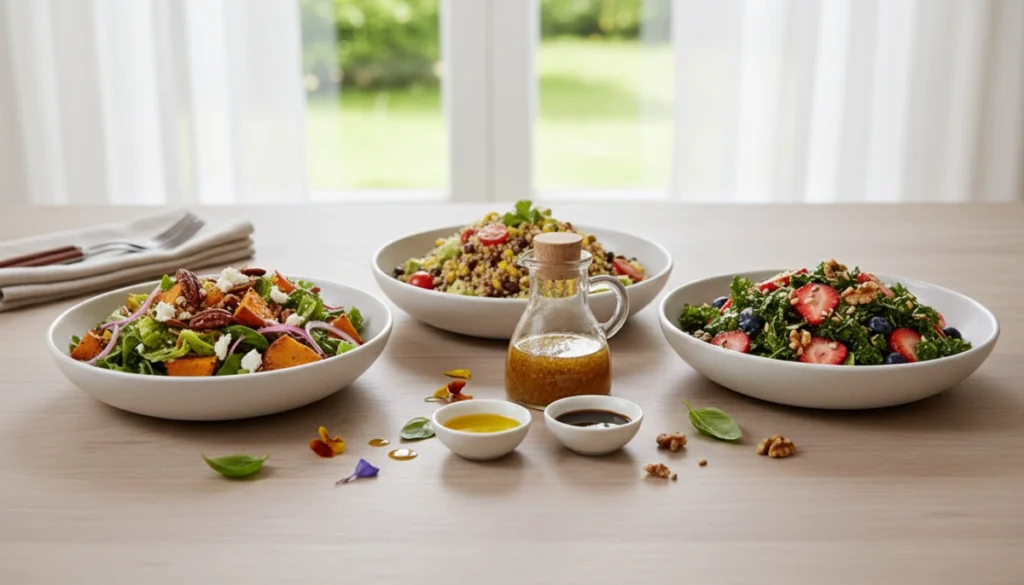
Why Seasonal Farm‑to‑Table Salads Matter
If you’ve ever made a salad that looked great but tasted flat, you’re not alone. Most of the time, the problem isn’t you—it’s the produce. Seasonal farm-to-table salads fix that by starting with ingredients that are naturally at their peak: crisp greens, juicy tomatoes, sweet corn, peppery radishes, or hearty winter greens picked close to home.
What Seasonal Farm‑to‑Table Salads Actually Are
When I say seasonal farm-to-table salads, I mean simple salads built around:
- Produce that’s in season where you live
- Ingredients grown locally (farmers markets, CSA boxes, local farms)
- Minimal processing so the ingredients taste like themselves
Instead of forcing strawberries in January or tomatoes in March, you lean into what actually tastes good right now—spring asparagus, summer heirloom tomatoes, fall squash, winter citrus, and more.
Who These Salads Are Perfect For
These seasonal salad recipes with homemade vinaigrette dressing are ideal if you:
- Want healthy farm-to-table meals that don’t feel like diet food
- Are tired of boring desk lunches and want light lunch salad ideas
- Shop at farmers markets or get a CSA box and need ways to use it up
- Care about sustainable seasonal eating but still want easy cooking
- Love the idea of everyday gourmet salads without restaurant prices
If you enjoy fresh local produce but aren’t sure how to turn it into a full meal, this style of salad is exactly for you.
Health, Flavor, and Sustainability Benefits
I rely on fresh local produce salads because they quietly check every box:
- Health: Seasonal produce is usually picked closer to ripe, so it’s often higher in vitamins, minerals, and antioxidants.
- Flavor: Shorter travel time = less time in storage = brighter flavors and better texture. A farm fresh salad needs less “fixing” because the ingredients actually taste great.
- Sustainability: Local seasonal produce often means fewer food miles, less packaging, and support for nearby farms instead of industrial supply chains.
You’re basically getting more flavor and nutrition for the same (or less) money while shrinking your footprint.
How Homemade Vinaigrette Changes Everything
The fastest way to turn a bowl of chopped veggies into a gourmet home salad is a homemade vinaigrette. A simple oil and vinegar dressing with citrus, herbs, or mustard:
- Locks in flavor: Salt and acid wake up tired greens and vegetables.
- Adds balance: Fat from olive oil, avocado oil, or nut oils smooths out sharp or bitter notes.
- Stays flexible: One base recipe can become a lemon basil vinaigrette, honey lime vinaigrette, maple Dijon vinaigrette, or orange shallot vinaigrette with tiny tweaks.
Once you know a simple vinaigrette ratio, you can skip store-bought bottles packed with stabilizers and sugar and shake up your own in a jar in under 2 minutes.
Why I Lean on Seasonal Salads for Everyday Meals
As an entrepreneur who cares about both flavor and efficiency, I use seasonal farm-to-table salads as a reliable everyday system:
- I build meals around whatever looks best at the market.
- I keep a few easy vinaigrette recipes in rotation so any salad feels intentional, not random.
- I add simple proteins (grilled chicken, salmon, chickpeas, eggs) to turn a vegetable salad with dressing into a high protein salad that actually fills me up.
This approach keeps my cooking fresh, flexible, and sustainable—without feeling like extra work. It’s the simplest way I know to eat well, enjoy what’s in season, and get restaurant-level salads at home.
Seasonal Eating and Farm-to-Table Basics
What seasonal eating really means
When I talk about seasonal farm-to-table salads, I mean building your salad around what’s naturally in season where you live.
- Spring: tender greens, peas, radishes
- Summer: tomatoes, cucumbers, corn, berries
- Fall: squash, beets, apples
- Winter: kale, citrus, hearty roots
Seasonal eating is simply matching your salad bowl to the calendar and your local growing region instead of forcing tomatoes in January or berries in December.
How farm-to-table fits into everyday cooking
“Farm-to-table” sounds fancy, but in real life it just means:
- Buying from farmers markets, CSAs, and local co-ops when you can
- Grabbing the freshest option at regular grocery stores (often marked “local”)
- Letting those ingredients drive your seasonal salad recipes and weekly meal prep
I build most of my everyday gourmet salads this way: start with what’s freshest and local, then add a simple homemade vinaigrette dressing.
Why local and farm fresh salads taste better
Fresh local produce salads usually win on flavor because:
- They’re picked closer to ripe, not early for shipping
- They travel fewer miles and spend less time in storage
- They hold their natural sweetness, crunch, and aroma
That’s why a farm fresh salad with a basic oil and vinegar dressing often tastes more “gourmet” than a complicated recipe made with tired produce.
Nutritional perks of fresh local produce salads
Seasonal, local produce doesn’t just taste better—it’s usually more nutrient-dense:
- Less time from harvest to plate = less vitamin loss
- Peak-season greens and vegetables are packed with antioxidants, fiber, and minerals
- A simple vinaigrette (olive oil + acid) helps your body absorb fat‑soluble vitamins (A, D, E, K) from those greens
So your seasonal farm-to-table salads are doing real work for your health, not just looking pretty.
Environmental impact of sustainable seasonal eating
Choosing local seasonal produce for your salads supports sustainability:
- Fewer food miles = lower carbon footprint
- Seasonal crops usually need less energy and fewer inputs (like heated greenhouses)
- Supporting local farms keeps land in agriculture instead of development
Every farm-to-table salad idea you put on your table is a small vote for a more sustainable food system.
Budget and value benefits of shopping in season
Seasonal doesn’t have to mean expensive. In the U.S., I see the opposite when I shop smart:
- In-season produce is often cheaper per pound because there’s more of it
- Farmers market “seconds” (slightly imperfect) are great for salad meal prep
- CSAs give you high-value boxes of mixed produce that easily turn into customizable farm salads
Bottom line: building seasonal farm-to-table salads around what’s abundant right now gives you the best flavor, nutrition, and value—then a good homemade vinaigrette ties it all together.
Core Elements of a Seasonal Farm-to-Table Salad
A good seasonal farm-to-table salad isn’t random. It’s a simple formula you can repeat with whatever fresh local produce you’ve got on hand.
Choosing the right salad greens by season
I always start with what’s in season and local:
- Spring: tender greens like butter lettuce, spinach, baby kale, arugula, pea shoots
- Summer: crisp, hydrating greens like romaine, green leaf, red leaf, little gem
- Fall: sturdy but still fresh: mixed baby greens, mature spinach, baby chard
- Winter: hearty greens that can handle bold vinaigrette: kale, chicories, cabbage
Tip:
- Use delicate greens (butter, spring mix) with lighter vinaigrettes.
- Use hearty greens (kale, cabbage) with bigger flavors like maple Dijon vinaigrette or citrus herb vinaigrette.
Best crunchy veggie add-ins for farm fresh salads
Crunch makes farm fresh salads feel satisfying:
- Spring: radishes, snap peas, asparagus, shaved carrots
- Summer: cucumbers, peppers, raw sweet corn, snap beans
- Fall: shaved fennel, carrots, celery, thinly sliced beets
- Winter: cabbage, shaved Brussels sprouts, watermelon radish
Aim for at least 2 crunchy veggies per bowl to balance soft greens and vinaigrette.
Using fruits in seasonal salad recipes
Fruit in seasonal salad recipes adds sweetness and acidity:
- Spring: strawberries, blueberries, sliced pears
- Summer: peaches, nectarines, watermelon, cherries, heirloom tomatoes (yes, they’re fruit)
- Fall: apples, pears, figs, grapes
- Winter: oranges, grapefruit, pomegranate arils, blood oranges
Pair tart fruit with a honey lime vinaigrette or orange shallot vinaigrette and sweet fruit with a sharper balsamic or lemon vinaigrette.
Nuts, seeds, and grains for texture and healthy fats
This is where texture and healthy fats come in:
- Nuts: walnuts, pecans, almonds, pistachios (toasted for extra flavor)
- Seeds: pumpkin seeds, sunflower seeds, hemp seeds, sesame seeds
- Grains: quinoa, farro, brown rice, bulgur
I usually add:
- 1 handful nuts or seeds
- Optional ¼–½ cup cooked grains per salad bowl for a more filling, healthy farm-to-table meal.
Cheese and creamy elements to balance vinaigrette
A homemade vinaigrette dressing pops more when it’s balanced with something creamy:
- Cheeses: goat cheese, feta, fresh mozzarella, shaved Parmesan, blue cheese
- Other creamy add-ins: avocado, Greek yogurt-based drizzle, tahini swirls
Use:
- Salty cheeses (feta, Parm) with sweeter dressings like maple Dijon vinaigrette.
- Mild cheeses (mozzarella) with bright citrus herb vinaigrette or lemon basil vinaigrette.
Simple protein add-ons for a full meal salad
To turn seasonal farm-to-table salads into high protein salads that actually hold you:
- Animal protein: grilled chicken, rotisserie chicken, salmon, shrimp, steak strips, hard-boiled eggs
- Plant-based: chickpeas, black beans, lentils, baked tofu, tempeh, edamame
- Everyday favorites: grilled chicken salad bowl, salmon salad with vinaigrette, chickpea salad bowl
Rough guide:
- 3–4 oz protein for a light lunch salad
- 5–6 oz protein for a full dinner salad
Build it like this every time:
Seasonal greens + crunchy veg + fruit + nuts/seeds/grains + creamy element + protein + homemade vinaigrette. That’s your core formula for everyday gourmet salads at home.
Seasonal Farm-to-Table Salad Ingredients by Season
Seasonal farm-to-table salads get a lot easier when you think in seasons. I like to keep a simple flavor profile for each one, then mix and match based on what I find at the farmers market or in my CSA box.
Spring Seasonal Salad Ingredients & Flavor
Spring farm fresh salads are all about light, tender, and green.
Key spring ingredients:
- Greens: baby spinach, arugula, pea shoots, butter lettuce, spring mix
- Veggies: asparagus, snap peas, radishes, baby carrots, spring onions
- Fruits: strawberries, citrus leftovers from winter (lemon, blood orange)
- Extras: fresh herbs (basil, mint, chives, dill), soft goat cheese, feta
Spring flavor profile:
- Bright, clean, slightly peppery
- Lots of herbs + citrus + crunch
- Best with a lemon basil vinaigrette or simple citrus herb vinaigrette
Summer Seasonal Salad Ingredients & Flavor
Summer seasonal farm-to-table salads lean juicy, bold, and a little sweet.
Key summer ingredients:
- Greens: romaine, leaf lettuce, arugula, baby kale, herb-heavy mixes
- Veggies: heirloom tomatoes, cucumbers, sweet corn, summer squash, bell peppers, red onion
- Fruits: peaches, nectarines, berries, watermelon, cherries
- Extras: fresh mozzarella, burrata, feta, toasted nuts or seeds
Summer flavor profile:
- Big, juicy, sweet-tangy flavors
- Raw and grilled vegetables together (grilled corn, zucchini, peppers)
- Pairs perfectly with honey lime vinaigrette or a light balsamic or lemon vinaigrette
Fall Seasonal Salad Ingredients & Flavor
Fall seasonal salad recipes shift into roasted, cozy, and earthy territory.
Key fall ingredients:
- Greens: baby kale, spinach, mixed lettuces, arugula
- Veggies: roasted beets, butternut or delicata squash, sweet potatoes, carrots, Brussels sprouts
- Fruits: apples, pears, grapes, figs (early fall)
- Extras: goat cheese, blue cheese, sharp cheddar, toasted pecans or walnuts, pumpkin seeds
Fall flavor profile:
- Warm, caramelized, sweet-savory
- Roasted veggies + crisp fruit + creamy cheese
- Best with a maple Dijon vinaigrette or apple cider vinaigrette
Winter Seasonal Salad Ingredients & Flavor
Winter farm-to-table salads lean on hearty greens, citrus, and crunch.
Key winter ingredients:
- Greens: kale, Tuscan kale, cabbage, radicchio, endive, chicories
- Veggies: roasted root vegetables, fennel, shaved Brussels sprouts, beets
- Fruits: oranges, mandarins, grapefruit, pomegranate, persimmons
- Extras: walnuts, almonds, sunflower seeds, Parmesan, feta, grains like farro or quinoa
Winter flavor profile:
- Bright citrus + bitter greens + deep roasted flavors
- Crunchy, filling, and great as a main dish salad
- Works well with orange shallot vinaigrette or a punchy balsamic vinaigrette
Mixing and Matching Across Seasons
You don’t have to follow the calendar perfectly. I treat these as plug-and-play building blocks:
- Base: pick a seasonal green (spring mix, summer romaine, fall baby kale, winter kale)
- Crunch: add 1–2 raw veggies (radish, cucumber, shredded carrot, fennel)
- Sweet: add 1 fresh fruit (berries, stone fruit, apple, pear, citrus, pomegranate)
- Creamy + salty: cheese, avocado, or hummus
- Nutty: nuts, seeds, or cooked grains
- Finish: top with a matching homemade vinaigrette (citrus herb, honey lime, maple Dijon, orange shallot)
If it tastes too flat, you’re usually missing acid (vinegar/citrus) or salt.
Using Farmers Markets and CSA Boxes as Your Guide
For U.S. shoppers, farmers markets and CSA boxes basically hand you a seasonal salad plan.
How I use them to build farm fresh salads:
- Start with what’s cheapest and most abundant – that’s usually what’s in peak season
- Ask the farmer how they eat it – raw, roasted, shaved, grilled
- Think in categories at the stand:
- Green: “What’s good for salads this week?”
- Color: “What’s crisp I can slice thin?”
- Sweet: “Any fruit that’s great in salads?”
- At home, sort into a simple formula:
- 1–2 greens
- 2–3 veggies
- 1 fruit
- 1 nut/seed or grain
- 1 cheese or creamy element
- 1 homemade vinaigrette dressing in a jar
This keeps seasonal farm-to-table salads flexible, affordable, and fast to throw together, whether you’re using a CSA box or just grabbing whatever looks best at your local market.
Homemade Vinaigrette Basics
What is a vinaigrette dressing?
A vinaigrette is a simple oil and vinegar dressing that coats seasonal farm-to-table salads without weighing them down. It’s usually:
- Fat: oil (olive, avocado, etc.)
- Acid: vinegar or citrus (lemon, lime, orange)
- Flavor: salt, pepper, herbs, garlic, mustard, a touch of sweetener
That’s it. No mystery, just a clean, fresh dressing that lets fresh local produce shine.
Simple oil to acid ratio
For most homemade vinaigrette dressing recipes, I stick to:
- 3 parts oil : 1 part acid for a classic, mellow vinaigrette
- 2 parts oil : 1 part acid for a brighter, sharper dressing
Example:
- 3 Tbsp olive oil + 1 Tbsp vinegar = 1 small salad
- Taste, then adjust with:
- More oil if it’s too sharp
- More acid if it’s too flat
Best oils for homemade vinaigrette
Use neutral or fruity oils that match your seasonal salad recipes:
- Extra-virgin olive oil: my go-to for most farm-to-table salad ideas
- Avocado oil: mild, great for citrus herb vinaigrette and summer salads
- Neutral oils (grapeseed, sunflower): good if you want the vinegar or herbs to stand out
- Toasted sesame oil (just a bit): for an earthy finish in veggie salads
Skip cheap “olive oil” that tastes flat or greasy—it will drag the whole salad down.
Best vinegars and acids for seasonal salads
Match the acid to the season and flavor profile:
- Red wine vinegar: bold, great with tomatoes, arugula, and grilled veggies
- White wine or champagne vinegar: light and bright, perfect for spring greens
- Apple cider vinegar: cozy, works well with fall salads and roasted veggies
- Balsamic vinegar: sweet and rich, ideal for heirloom tomato salad or roasted beet salad
- Citrus (lemon, lime, orange): fresh and zippy for lemon basil vinaigrette, honey lime vinaigrette, and orange shallot vinaigrette
I often mix vinegar + citrus for more layered flavor.
How to emulsify so it doesn’t separate
To keep your jar-shaken vinaigrette from separating too fast:
- Add 1 tsp Dijon mustard per 1/4 cup of oil – it’s a natural emulsifier
- Add a little honey or maple syrup – sugar also helps bind
- Whisk slowly:
- Start with acid, mustard, sweetener, and seasonings
- Drizzle in oil slowly while whisking
- Or, for everyday use:
- Add everything to a jar
- Tighten lid and shake hard for 15–20 seconds
Store in the fridge and shake again before using.
Common vinaigrette mistakes and how to fix them
1. Too sharp / sour
- Add more oil, 1 tsp at a time
- Whisk in a bit of honey or maple
- Add a pinch of salt (it softens the bite)
2. Too flat / bland
- Add a splash more acid (vinegar or lemon)
- Add a pinch more salt and fresh cracked pepper
- Mix in garlic, shallot, or herbs for a flavor boost
3. Too oily / heavy
- Whisk in more vinegar or citrus
- Add a little Dijon to brighten and tighten the texture
4. Separates instantly
- Use Dijon or a bit of mayo/yogurt for a creamier style
- Shake in a jar right before pouring over your seasonal farm-to-table salads
Once you dial in your simple vinaigrette ratio, you can spin it into endless easy vinaigrette recipes that work for spring, summer, fall, and winter salads.
Pantry Staples for Easy Vinaigrette Recipes
If you want seasonal farm-to-table salads on repeat, you need a pantry that makes homemade vinaigrette dressing almost automatic. Here’s exactly what I keep stocked so I can shake up a jar in under 2 minutes.
Essential Oils, Vinegars, and Citrus
I stick to a few high-impact basics that work with almost any seasonal salad recipe:
Oils (choose 1–2 everyday, 1 “special”):
- Extra-virgin olive oil – my base for most vinaigrettes
- Avocado oil – neutral and great for lighter dressings
- Neutral oil (grapeseed, canola) – for super mild, flexible dressings
Vinegars:
- Red wine vinegar – bold and classic for farm fresh salads
- Apple cider vinegar – bright, great with fall produce
- Balsamic vinegar – for richer, slightly sweet salads
- Rice vinegar – mild and perfect with summer veggies and herbs
Citrus (fresh is worth it):
- Lemons – the most versatile; great with spring and summer salads
- Limes – must-have for honey lime vinaigrette and Mexican-inspired bowls
- Oranges – ideal for orange shallot vinaigrette and winter salads
Must-Have Add-Ins (Dijon, Honey, Garlic, Shallots)
These are the flavor and texture boosters that turn an oil and vinegar dressing into something that tastes restaurant-level:
- Dijon mustard – helps emulsify and adds tang (key for maple dijon vinaigrette)
- Honey or maple syrup – balances acidity and sharp flavors
- Garlic (fresh or jarred minced) – for bold, savory dressings
- Shallots or red onion – mild sweetness and depth, perfect for orange shallot vinaigrette
- Whole grain mustard – nice texture and flavor for rustic salads
Fresh and Dried Herbs for Flavor
I mix fresh and dried herbs depending on what I have on hand:
Fresh herbs (when in season):
- Basil – for lemon basil vinaigrette and summer salads
- Parsley, cilantro – bright, clean flavor
- Thyme, oregano – great with roasted veggies and fall salads
Dried herbs (pantry workhorses):
- Italian seasoning – quick all-in-one
- Dried oregano – classic in oil and vinegar dressing
- Dried basil, thyme – handy when fresh isn’t around
Salts, Peppers, and Sweeteners That Work Best
Small upgrades here make a huge difference:
- Kosher salt or sea salt – less harsh than table salt, easier to control
- Freshly ground black pepper – more aroma and bite
- Honey, maple syrup, or agave – adjust sweetness to balance sharp vinegars
- Optional: a pinch of sugar – for more neutral sweetness if needed
Tools I Actually Use to Make Vinaigrette Fast
You don’t need fancy gear to make easy vinaigrette recipes:
- Small glass jar with lid – for classic jar-shaken vinaigrette
- Measuring spoons – to hit a simple vinaigrette ratio every time
- Mini whisk or fork – if I’m mixing in a bowl
- Small funnel – helpful if you batch prep vinaigrette in bottles
How to Stock a Basic Vinaigrette-Friendly Pantry
If you’re starting from scratch, this is the core list I’d buy in the U.S. market and call it good:
Bare-minimum starter kit:
- Extra-virgin olive oil
- Red wine vinegar
- Lemon
- Dijon mustard
- Honey
- Garlic (fresh or jarred)
- Kosher salt + black pepper
With just those, you can make a fresh, homemade vinaigrette for almost any seasonal farm-to-table salad, from asparagus radish salads in spring to kale pomegranate walnut salads in winter.
Spring Farm-to-Table Salad Ideas
Spring is the easiest time to fall in love with seasonal farm-to-table salads. The produce is sweet, tender, and doesn’t need much work to taste great.
Key spring produce for farm fresh salads
For spring seasonal salad recipes, I focus on:
- Greens: baby spinach, arugula, pea shoots, butter lettuce, little gems, tender romaine hearts
- Veggies: asparagus, radishes, snap peas, snow peas, baby carrots, spring onions, fennel
- Herbs: basil, dill, chives, parsley, mint, tarragon
- Extras: early strawberries, baby beets, young turnips
These farm fresh salads are all about crunch + freshness. When I shop farmers markets or open a CSA box, I build the salad around whatever looks the most vibrant.
Flavor pairing tips for spring salad recipes
Spring flavors are clean and bright, so I keep the pairings simple:
- Asparagus + lemon + Parmesan
- Radish + butter lettuce + chives + light vinaigrette
- Strawberries + spinach + goat cheese + balsamic or lemon vinaigrette
- Pea shoots + mint + feta + citrus herb vinaigrette
Rule of thumb for seasonal farm-to-table salads:
- Pair peppery (arugula, radish) with creamy (avocado, soft cheese)
- Pair sweet (peas, carrots, strawberries) with tangy vinaigrette
Light proteins that match spring salads
I keep the protein gentle so it doesn’t overpower the produce:
- Animal protein: grilled or poached chicken breast, seared shrimp, sliced soft-boiled eggs, thin-sliced turkey, or a small portion of salmon
- Plant-based: chickpeas, white beans, lentils, marinated tofu, or a scoop of quinoa
For a light lunch salad idea, I aim for 15–25g of protein so the meal actually holds me until the next one.
How to keep spring greens crisp and vibrant
Crisp greens are what make these seasonal farm-to-table salads taste “restaurant-level” at home:
- Wash in cold water, then spin dry very well
- Layer with paper towels or clean dish towels in a sealed container
- Store in the fridge’s crisper drawer
- Dress right before serving so tender spring greens don’t wilt
- If they start to droop, soak in ice water for 5–10 minutes, then dry again
Handled right, your spring salad greens stay fresh for days, and every homemade vinaigrette dressing you add will taste brighter on crisp leaves.
Spring Salad Recipe: Asparagus Radish Pea Shoot Salad
Ingredients + Seasonal Swaps
This spring farm-to-table salad is light, crisp, and built for fresh local produce.
Base ingredients (4 small or 2 main-dish salads):
- 1 small bunch asparagus, trimmed
- 1 cup radishes, thinly sliced
- 2 cups pea shoots (or mix of pea shoots + baby arugula)
- 2 cups spring greens (baby spinach, butter lettuce, or mixed spring mix)
- 2–3 scallions or ½ small shallot, thinly sliced
- ¼ cup fresh herbs (basil, parsley, dill, or chives), chopped
- ¼–½ cup crumbled goat cheese or feta (optional)
- ¼ cup toasted nuts or seeds (almonds, pistachios, or sunflower seeds)
- Lemon basil vinaigrette or your favorite citrus herb vinaigrette
Easy seasonal substitutions:
- No pea shoots? Use baby arugula or microgreens.
- No asparagus? Swap in blanched green beans, snap peas, or broccolini.
- No radishes? Try thinly sliced kohlrabi or crisp cucumbers.
- Dairy-free? Skip the cheese and add extra avocado or more nuts.
Step-by-Step Prep & Cook
-
Prep the greens and veggies
- Wash and dry pea shoots and salad greens well.
- Slice radishes thin (a mandoline or very sharp knife helps).
- Slice scallions/shallot and chop herbs.
-
Trim the asparagus
- Snap off woody ends where they naturally break.
- Cut spears into 1–2 inch pieces on a diagonal for a nicer look.
-
Cook the asparagus (blanch or roast – see below)
- Once cooked, let cool slightly so it doesn’t wilt the greens.
-
Assemble the salad
- Add greens, pea shoots, asparagus, radishes, and scallions to a large bowl.
- Sprinkle with herbs, nuts/seeds, and goat cheese.
-
Dress and toss
- Drizzle with lemon basil vinaigrette right before serving.
- Toss gently so the pea shoots don’t get crushed.
How to Blanch or Roast Spring Vegetables
Blanching (for a bright, crisp farm-fresh salad):
- Bring a pot of salted water to a boil.
- Add asparagus; cook 1–2 minutes until just tender and bright green.
- Immediately transfer to a bowl of ice water to stop cooking.
- Drain well and pat dry so it doesn’t water down the salad.
Roasting (for deeper flavor and a cozy vibe):
- Preheat oven to 425°F.
- Toss asparagus with olive oil, salt, and pepper.
- Spread on a sheet pan in a single layer.
- Roast 8–12 minutes, just until tender with a bit of browning.
- Cool to room temp before adding to the salad.
You can also roast thinly sliced radishes alongside the asparagus for a sweeter, softer bite.
Make-Ahead Tips for Busy Weeknights
To keep this seasonal salad weeknight-friendly, I prep it like this:
-
Prep ahead (1–3 days):
- Wash and spin-dry greens and pea shoots, then store in a sealed container with a paper towel.
- Slice radishes and scallions; store in small containers.
- Blanch or roast asparagus and keep in the fridge.
- Mix lemon basil vinaigrette in a jar and refrigerate.
-
Assemble day-of:
- Add greens, pea shoots, and veggies to a bowl.
- Top with nuts/seeds, herbs, and cheese.
- Dress right before eating so everything stays crisp.
-
For true grab-and-go, layer in jars:
- Bottom: vinaigrette
- Middle: asparagus, radishes, scallions
- Top: greens, pea shoots, nuts, cheese
- Shake just before eating.
Serving, Plating, and Pairing
Plating ideas:
- Use a wide shallow bowl or platter so the colors show.
- Finish with a little extra goat cheese, herbs, and a crack of black pepper.
- Drizzle a tiny bit of vinaigrette on top for a glossy finish.
What to serve this salad with:
- Light lunch: Pair with a slice of good sourdough, avocado toast, or a cup of vegetable soup.
- Simple dinner: Add grilled chicken, salmon, or chickpeas on top for a high-protein salad bowl.
- For guests: Serve as a starter with a crisp white wine (Sauvignon Blanc, Pinot Grigio) and a main like roasted chicken or grilled fish.
This asparagus radish pea shoot salad is one of those seasonal salad recipes that looks restaurant-level but fits easily into a busy U.S. weeknight. It’s fast, flexible, and built to highlight farm-fresh spring produce with a clean homemade vinaigrette.
Lemon Basil Vinaigrette for Spring Salads
Simple lemon herb vinaigrette ratio
For bright, spring-ready seasonal farm-to-table salads, this lemon basil vinaigrette is my go-to:
- 3 parts oil (extra-virgin olive oil)
- 1 part acid (fresh lemon juice)
- 1–2 tsp Dijon mustard (for body + emulsifying)
- 2–3 tbsp fresh basil, finely chopped
- ½–1 tsp honey or maple syrup (optional, to taste)
- Salt + black pepper to finish
I usually shake everything in a jar so it’s a quick homemade vinaigrette dressing I can keep in the fridge for the week.
How to balance citrus, herbs, and sweetness
To keep this citrus herb vinaigrette fresh, not harsh:
- Start with the base ratio, then taste before dressing your spring salad.
- If the lemon feels loud, add a splash more oil.
- If it’s dull, add a squeeze more lemon or a pinch of salt.
- If the basil is getting lost, stir in more fresh herbs right before serving.
You want it to taste bright, layered, and clean, not sugary or oily.
Tweaks if the vinaigrette tastes off
When the lemon basil vinaigrette feels a little “off,” I fix it like this:
- Too sharp:
- Add 1–2 tsp more olive oil
- Add a small squeeze of honey or maple
- Too bitter:
- Check your lemon (avoid pith)
- Add a pinch of salt and a bit more sweetener
- Too flat:
- Add a pinch of salt or a splash of white wine vinegar
- Add a little extra lemon zest for aroma
Tiny tweaks go a long way, especially with delicate spring greens and asparagus salads.
Ways to reuse lemon basil vinaigrette
I never let leftover lemon basil vinaigrette go to waste. It works across tons of farm-to-table salad ideas and beyond:
- Drizzle over grilled chicken or salmon for a light protein boost
- Toss with warm quinoa, farro, or couscous and roasted veggies
- Spoon over heirloom tomatoes, cucumbers, or pea shoots
- Use as a quick marinade for shrimp or chicken before grilling
- Drizzle on simple greens (arugula, baby kale) for an easy light lunch salad
This one jar turns basic fresh local produce salads into everyday gourmet salads with almost no effort.
Summer Farm-to-Table Salad Ideas
Best summer produce for bold salads
In summer, I build my seasonal farm-to-table salads around produce that’s naturally juicy and sweet:
- Heirloom tomatoes and cherry tomatoes
- Cucumbers (Persian, English, or pickling)
- Sweet corn (raw or lightly charred)
- Zucchini and summer squash
- Bell peppers and mild chilies
- Stone fruit like peaches, nectarines, and plums
- Berries for a sweet-savory twist
- Herbs: basil, mint, cilantro, chives, dill
These give summer farm fresh salads big flavor without needing much more than a good homemade vinaigrette dressing.
Using raw vs. grilled vegetables
For my summer farm-to-table salad ideas, I mix textures by combining raw and grilled vegetables:
- Use raw: cucumbers, tomatoes, peppers, herbs, tender greens (arugula, spinach, little gem)
- Use grilled: zucchini, corn, onions, peppers, eggplant, even romaine
Quick rule I follow:
- Raw for crunch and freshness
- Grilled for smoky depth and “meal salad” vibes
A simple citrus herb vinaigrette or honey lime vinaigrette ties both together.
How to handle super juicy tomatoes and cucumbers
To keep summer seasonal salad recipes from getting watery, I always:
- Salt tomatoes first
- Slice or wedge
- Toss with a pinch of salt
- Let sit 10–15 minutes, then drain off extra liquid
- De-seed cucumbers if they’re very watery
- Cut lengthwise, scrape out seeds with a spoon
- Dress right before serving
- Add vinaigrette at the last minute so the veggies stay crisp
This keeps every vegetable salad with dressing bright, not soggy.
Keeping summer salads fresh in the heat
For hot days, especially around the US, I treat summer salads like chilled meal prep:
- Keep greens and dressing separate until serving
- Chill the salad bowl and vinaigrette in the fridge
- Use sturdier greens (kale, romaine, cabbage) for outdoor parties
- Pack salads in insulated containers with ice packs for picnics
- Toss with vinaigrette right before eating to keep everything crisp
With these habits, my summer seasonal farm-to-table salads stay fresh, safe, and full of flavor even in serious heat.
Summer Farm-to-Table Salad Recipe: Heirloom Tomato Cucumber Corn Salad
This summer farm-to-table salad is exactly what I lean on when tomatoes are insane at the farmers market. It’s fast, fresh, and built to show off peak seasonal local produce.
Full Ingredient Breakdown + Easy Swaps
Base ingredients (4 servings):
- Heirloom tomatoes – 3–4 medium, any colors
- Swaps: good vine-ripened tomatoes, cherry tomatoes, or Roma in a pinch
- Cucumber – 1 large English or 3–4 Persian, thinly sliced
- Swaps: regular cucumber (peeled and seeded), lemon cucumber
- Fresh corn – kernels from 2 ears, raw or lightly grilled
- Swaps: frozen corn (thawed and patted dry), leftover grilled corn
- Red onion or shallot – 2–3 tbsp, very thinly sliced
- Swap: green onions for a milder bite
- Fresh herbs – ¼ cup chopped (basil is classic; add parsley, cilantro, or chives)
- Honey Lime Vinaigrette (or any homemade vinaigrette dressing):
- 3 tbsp extra-virgin olive oil
- 2 tbsp fresh lime juice
- 1–2 tsp honey
- ½–1 tsp Dijon
- Salt + black pepper
Optional add-ons:
- Cheese: fresh mozzarella, burrata, or feta
- Protein: grilled shrimp, grilled chicken, or chickpeas for a high protein salad
- Crunch: toasted pumpkin seeds, sunflower seeds, or croutons
Step-by-Step Prep for Peak Summer Flavor
-
Prep the tomatoes
- Core and slice into thick wedges or chunky pieces so they don’t collapse.
- Place in a shallow bowl, lightly salt, and let sit 5–10 minutes to draw out juices and boost flavor.
-
Prep the veggies
- Slice cucumbers into half-moons.
- Cut raw corn off the cob, or slice kernels from grilled corn.
- Slice onion or shallot as thin as possible and rinse briefly under cold water to mellow the bite.
-
Mix the vinaigrette
- In a small jar, add oil, lime juice, honey, Dijon, salt, and pepper.
- Shake until emulsified. Taste and adjust:
- Too sharp? Add a bit more honey or oil.
- Too flat? Add a pinch of salt or more lime.
-
Assemble the salad
- In a wide bowl or platter, gently combine tomatoes, cucumber, corn, and onion.
- Spoon in about half the vinaigrette and toss gently so you don’t crush the tomatoes.
- Sprinkle herbs over the top and add more dressing only if needed.
-
Finish and serve
- Top with cheese, seeds, or protein if using.
- Finish with a pinch of flaky salt and a crack of black pepper right before serving.
How to Cut and Season Heirloom Tomatoes
To keep those heirloom tomato salad pieces juicy, not mushy:
- Use a sharp serrated knife so you slice cleanly through the skin.
- Cut into larger wedges or thick slices, not tiny cubes.
- Salt the tomatoes first and let them sit briefly; this seasons them all the way through and concentrates their flavor.
- Don’t over-toss once they’re in the bowl—fold gently from the bottom with your hands or a big spoon.
How Long This Summer Salad Holds Up
This vegetable salad with dressing is best fresh, but here’s what actually works:
- At its best: within 30 minutes of dressing.
- Still good: up to 4 hours in the fridge; the tomatoes will release some juice, which tastes amazing spooned over grilled bread.
- Next day: the texture softens a lot. If you want to keep it longer, store components separately and dress right before serving.
Meal prep tip:
- Keep tomatoes, cucumbers, corn, and onion in separate containers.
- Store honey lime vinaigrette in a jar for up to a week.
- Toss only what you’ll eat that day.
What to Serve This Salad With (Light Lunch or Dinner)
This farm fresh summer salad works as a side or a light main. I usually pair it with:
-
Light lunch salad ideas:
- Grilled sourdough or garlic toast
- A simple omelet or frittata
- Leftover rotisserie chicken
-
Light dinner combos:
- Grilled salmon, shrimp, or chicken thighs
- A piece of crusty bread and a bowl of chilled soup (like gazpacho)
- Quinoa or farro on the side to turn it into a full seasonal salad bowl
It’s one of those everyday gourmet salads that looks restaurant-level but is honestly just local seasonal produce, a sharp homemade vinaigrette, and 15 minutes of prep.
Honey Lime Vinaigrette for Summer Salads
Easy Honey Lime Vinaigrette Base Recipe
This honey lime vinaigrette is my go-to for bold summer farm-to-table salads, fruit salads, and grain bowls.
Base recipe (about ½ cup):
- 3 tbsp extra-virgin olive oil
- 2 tbsp fresh lime juice
- 1½–2 tbsp honey
- ½–¾ tsp kosher salt
- Freshly ground black pepper, to taste
Quick method (jar-shaken vinaigrette):
- Add everything to a small jar.
- Shake hard for 20–30 seconds until it looks slightly thick and glossy.
- Taste and adjust on the spot.
Balancing Sweet, Sour, and Salty Flavors
The key with this homemade vinaigrette dressing is balance:
- Too sharp/sour?
Add ½ tsp more honey or a splash more oil. - Too sweet?
Add a squeeze of lime and a pinch of salt. - Flat/bland?
Add another pinch of salt and a crack of black pepper. - Oily?
Whisk in more lime juice, ½ tsp at a time.
Aim for: bright lime up front, rounded sweetness from honey, and a clean, salty finish.
Add-Ins for Extra Kick (Chili, Cilantro, Garlic)
To fit different seasonal salad recipes and farm-to-table salad ideas, I rotate add-ins:
- Heat:
- ¼–½ tsp red pepper flakes, or
- ½ fresh jalapeño, very finely minced
- Herbs:
- 1–2 tbsp chopped fresh cilantro (great with corn and tomatoes)
- Aromatics:
- 1 small garlic clove, grated or minced
- 1 tbsp finely minced red onion or shallot
- Smoky twist:
- Pinch of smoked paprika or chili powder
Start small, stir, taste, and only then add more.
Using Honey Lime Vinaigrette on Fruit and Grain Salads
This citrus herb vinaigrette does more than dress leafy salads:
- Fruit salads:
- Drizzle over berries, melon, peaches, or a mix of stone fruit.
- Add mint or basil for a “gourmet home salads” feel.
- Grain bowls:
- Toss with cooked and cooled quinoa, farro, or brown rice.
- Add black beans or chickpeas, grilled corn, tomatoes, and avocado.
- Light lunch salad ideas:
- Use on a grilled chicken salad bowl or salmon salad with vinaigrette.
- Great with CSA box salad recipes full of cucumbers, herbs, and greens.
I batch prep this honey lime vinaigrette once or twice a week so it’s ready for quick summer farm-to-table salads, fruit bowls, and easy weeknight sides.
Fall Farm-to-Table Salad Ideas
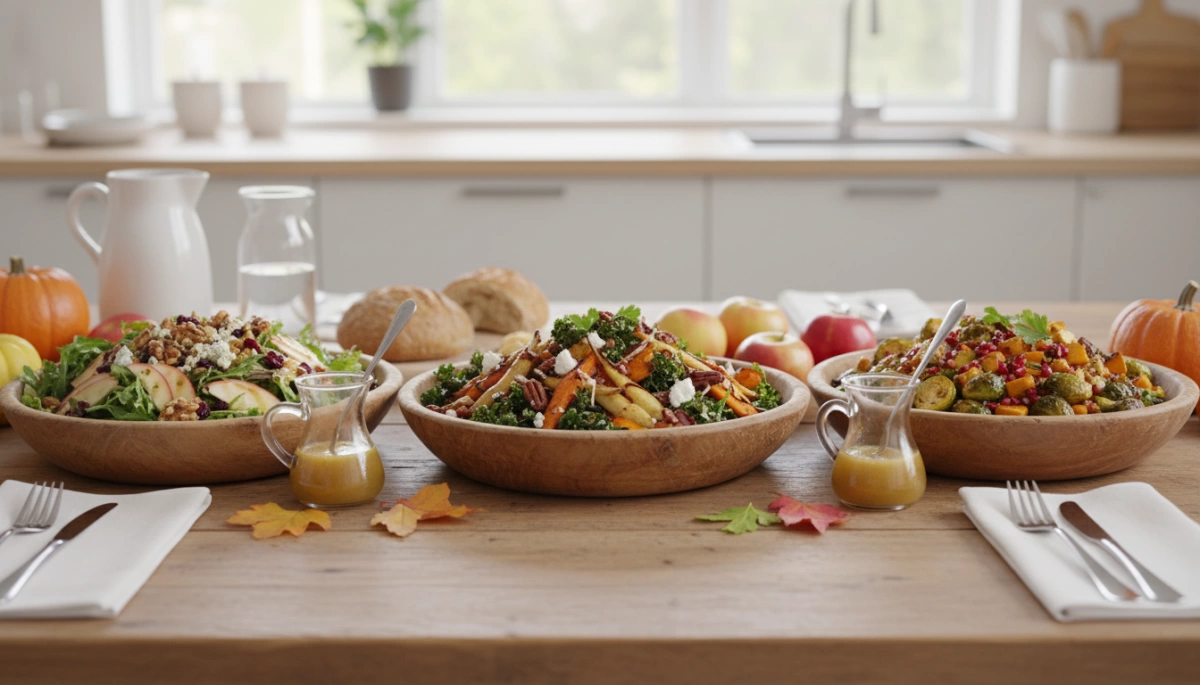
Go-to fall vegetables and fruits for salads
For fall seasonal farm-to-table salads, I lean hard on sturdy, sweet, and earthy produce that can handle roasting and warm vinaigrette:
- Veggies: butternut squash, delicata squash, acorn squash, sweet potatoes, beets, carrots, parsnips, Brussels sprouts, cauliflower, fennel, red onions
- Greens: kale, baby kale, arugula, spinach, mixed fall lettuces, chicories (radicchio, endive)
- Fruits: apples, pears, grapes, figs (early fall), pomegranate seeds, dried cranberries
These farm fresh salads get their flavor from contrast—sweet roasted veg, bitter greens, crisp apples, and a bright maple Dijon vinaigrette or balsamic vinaigrette dressing.
Roasting tips for beets, squash, and root veggies
To get that caramelized, cozy fall salad vibe:
- Cut evenly: similar-size cubes or wedges so everything roasts at the same speed.
- High heat: 400–425°F on a metal sheet pan for 20–35 minutes, tossing halfway.
- Don’t crowd: give veggies space so they roast instead of steam.
- Oil + seasoning: toss with olive oil, kosher salt, and black pepper; add herbs (thyme, rosemary, sage) if you want extra flavor.
- Beets: wrap in foil or roast whole, then peel under cool water to avoid staining everything.
Warm vs room temperature fall salads
Both work, and I use them differently:
- Warm fall salads:
- Toss roasted squash, beets, or Brussels sprouts with hardy greens like kale or arugula while still warm.
- Add a warm maple Dijon vinaigrette or balsamic vinaigrette so the flavors soak in.
- Perfect for weeknight dinners or a cozy side for roasted chicken or salmon.
- Room temp fall salads:
- Let roasted veggies cool 10–15 minutes before tossing with greens and fruit.
- Great for potlucks, meal prep, and lunch salads that won’t wilt as fast.
Layering textures for cozy fall salads
The best seasonal salad recipes feel like a full meal because of texture balance:
- Base: hearty greens (kale, arugula, mixed lettuces)
- Roasted layer: squash, beets, carrots, or Brussels sprouts for warmth and sweetness
- Fresh crunch: sliced apples or pears, shaved fennel, thinly sliced red onion
- Creamy element: goat cheese, feta, blue cheese, or avocado
- Crunchy topper: toasted walnuts, pecans, pumpkin seeds, or sunflower seeds
- Finishing touch: a drizzle of homemade vinaigrette dressing—maple Dijon, citrus herb vinaigrette, or a simple oil and vinegar dressing
This mix of warm + cool, crunchy + creamy is what makes fall farm-to-table salad ideas feel satisfying, seasonal, and worth craving.
Fall Salad Recipe: Roasted Beet Apple Goat Cheese Salad
Ingredient list (with budget + store-bought options)
This roasted beet apple goat cheese salad hits all the fall notes—sweet, tangy, creamy, and crunchy—using simple farm-to-table ingredients.
Base ingredients:
- 3–4 medium beets (red, golden, or mixed)
- Budget/store-bought swap: Pre-cooked vacuum-packed beets
- 1–2 crisp apples (Honeycrisp, Gala, or Fuji)
- 4–5 cups mixed greens (spring mix, baby kale, or arugula)
- 3–4 oz goat cheese, crumbled
- Swap: Feta or a budget-friendly store-brand chèvre
- 1/3 cup toasted nuts (walnuts or pecans)
- Nut-free: Roasted pumpkin seeds (pepitas) or sunflower seeds
- 2–3 Tbsp dried cranberries or cherries (optional)
For dressing (Maple Dijon Vinaigrette or your favorite vinaigrette):
- 3 Tbsp olive oil
- 1–1.5 Tbsp apple cider vinegar or white wine vinegar
- 1 Tbsp maple syrup
- 1 tsp Dijon mustard
- Salt + black pepper
This salad works with any good homemade vinaigrette dressing (balsamic vinaigrette, maple dijon vinaigrette, or a simple oil and vinegar dressing).
How to roast beets without making a mess
Roasted beets are the heart of this fall farm-to-table salad, but nobody wants a red-stained kitchen. Here’s how I keep it clean:
- Prep the beets:
- Trim tops and roots, rinse well.
- Keep skins on for roasting (they slip off easily later).
- Wrap and roast:
- Place each beet on a piece of foil, drizzle with a little oil, sprinkle with salt.
- Wrap tightly and set on a rimmed baking sheet (catches any leaks).
- Roast at 400°F for 45–60 minutes, depending on size, until a knife slides in easily.
- Peel with minimal mess:
- Let beets cool until just warm.
- Use disposable gloves or a plastic bag over your hand.
- Rub skins off with a paper towel—they slide right off.
- Slice or cube:
- Cut into wedges or 1/2-inch cubes so they hold their shape in the salad.
Time-saving option: Use pre-roasted store-bought beets and go straight to slicing.
Assembling a restaurant-quality fall salad
To make this roasted beet salad look like something from a farm-to-table restaurant, plating matters:
- Layer the greens:
- Spread mixed greens or arugula on a large shallow bowl or platter.
- Add beets and apples:
- Arrange roasted beets in clusters instead of dumping them in the center.
- Slice apples thin or into matchsticks and fan them around the beets.
- Sprinkle the toppings:
- Crumble goat cheese over the top so it’s evenly scattered.
- Add toasted nuts and dried cranberries for color and crunch.
- Dress lightly:
- Drizzle maple dijon vinaigrette or another homemade vinaigrette lightly over the salad right before serving.
- Finish with a pinch of flaky sea salt and a few cracks of black pepper.
Tip: If you’re serving guests, dress only 2/3 of the salad and leave some undressed so it stays fresh longer on the table.
Meal prep and leftover storage
This fall salad works really well for meal prep if you keep components separate:
For prep ahead (up to 4–5 days):
- Roasted beets: Store in an airtight container in the fridge, uncut or cut.
- Greens: Wash, dry thoroughly (salad spinner), then keep in a container lined with paper towels.
- Dressing: Shake your maple dijon vinaigrette in a jar and store in the fridge for up to a week.
- Nuts: Toast and store at room temp in a small sealed container.
When ready to eat:
- Assemble just before serving.
- Add apples and dressing at the last minute so they don’t brown or get soggy.
Leftovers:
- Dressed salad: Best within 24 hours.
- Undressed components: Last several days and are perfect for quick light lunch salad ideas or a side with roasted chicken or salmon.
This roasted beet apple goat cheese salad is an easy way to bring fall farm-to-table salad ideas to your everyday table without a ton of work or waste.
Maple Dijon Vinaigrette for Fall Salads
Simple maple mustard vinaigrette formula
For cozy fall farm-to-table salads, this maple Dijon vinaigrette is my go-to:
Base formula (about ½ cup):
- 3 tbsp extra-virgin olive oil
- 2 tbsp pure maple syrup
- 2 tbsp apple cider vinegar or white wine vinegar
- 1 tbsp Dijon mustard
- ½–1 small garlic clove, minced (optional)
- Salt and black pepper to taste
Whisk or shake in a jar until smooth. This simple vinaigrette ratio hits that sweet-tangy balance that works with roasted beets, apples, squash, and hearty greens.
Adjusting thickness and sweetness
You can dial this in fast:
- Too thick:
- Add 1–2 tsp water or extra vinegar and whisk again.
- Too thin:
- Add ½–1 tsp Dijon or a bit more olive oil.
- Too sweet:
- Add more vinegar and a pinch of salt.
- Not sweet enough:
- Add 1–2 tsp maple syrup at a time and taste as you go.
Best vinegars to pair with maple syrup
Maple syrup plays best with mellow, not harsh, acids:
- Apple cider vinegar – my top pick for fall farm fresh salads
- White wine vinegar – lighter, clean flavor
- Sherry vinegar – great with roasted root veggies
- Balsamic vinegar – richer and sweeter; use less maple so it doesn’t get cloying
Skip super sharp distilled white vinegar here; it fights the maple.
Extra uses beyond salad
I don’t just save this for seasonal salad recipes. I also use maple Dijon vinaigrette to:
- Toss with roasted Brussels sprouts, carrots, or squash
- Drizzle over a grain bowl with farro, kale, and roasted veggies
- Marinate chicken, pork, or salmon before grilling or baking
- Dress a warm lentil or chickpea salad for a high-protein fall meal
Make a small mason jar batch on Sunday, keep it in the fridge up to a week, and you’ve got an easy homemade vinaigrette dressing ready for every fall farm-to-table meal.
Winter Farm-to-Table Salad Ideas
Best winter greens like kale and chicories
For winter farm-to-table salads, I lean on sturdy, cold-loving greens that actually taste better after a frost:
- Kale (lacinato/dino, curly) – sweetens up in winter, perfect for massaging and meal prep
- Chicories – radicchio, endive, escarole for that bitter bite that balances rich dressings
- Cabbage – green, red, or Napa; cheap, crunchy, and holds dressing for days
- Swiss chard & collards – great thinly sliced and paired with bold homemade vinaigrette
These winter greens are everywhere at U.S. farmers markets in colder months and are ideal for seasonal farm-to-table salads.
Using citrus, seeds, and nuts in winter salads
Winter salads need brightness and crunch to feel exciting:
- Citrus: orange, grapefruit, blood orange, mandarins – supremed or sliced
- Nuts: walnuts, pecans, almonds, pistachios – toasted for deeper flavor
- Seeds: pumpkin seeds (pepitas), sunflower seeds, sesame – budget-friendly crunch
I pair citrus herb vinaigrettes or orange shallot vinaigrette with these toppings for fresh, farm-to-table flavor that cuts through heavier winter meals.
How to massage kale and hearty greens
To make kale and other hearty greens tender, I always massage them before building the salad:
- Strip and slice – remove stems, slice leaves thin.
- Season the greens – add a pinch of salt and a drizzle of olive oil or a spoon of vinaigrette.
- Massage by hand – rub greens for 30–60 seconds until they darken and soften.
- Taste and adjust – they should taste less bitter and feel softer, not mushy.
This simple step turns tough greens into a base you actually want to eat in everyday winter salad recipes.
Making winter salads comforting and filling
Winter farm-to-table salads should feel cozy, not like diet food. I make them satisfying by adding:
- Warm elements: roasted squash, sweet potatoes, Brussels sprouts, or warm grains
- Hearty proteins: roasted chicken, salmon, chickpeas, or lentils
- Creamy pieces: avocado, goat cheese, feta, or a yogurt-based dressing
A big bowl of kale or chicories, topped with warm roasted veggies, nuts, citrus, and a bold homemade vinaigrette, hits that balance of comforting, filling, and seasonal that works for real winter weeknights in the U.S.
Winter Salad Recipe: Kale Pomegranate Walnut Salad
This winter kale pomegranate walnut salad is my go-to when I want something fresh, crunchy, and still cozy enough for cold weather. It’s simple, looks restaurant-level, and works for both weeknights and holiday tables.
Ingredients (with easy add-ons)
Base salad (4 servings):
- 1 large bunch kale (lacinato or curly), stems removed
- 1 cup pomegranate seeds (from 1 medium pomegranate)
- ¾ cup walnuts, toasted and roughly chopped
- ½ small red onion or 2 shallots, very thinly sliced
- ½ cup crumbled feta or goat cheese (optional but recommended)
- 2–3 Tbsp extra-virgin olive oil (for massaging kale, not dressing)
- Pinch of salt and black pepper
Optional add-ons (to make it a meal):
- 1–2 cups cooked quinoa or farro
- Sliced roasted chicken, salmon, or chickpeas for protein
- Extra seeds for crunch: pumpkin seeds, sunflower seeds
- A handful of thinly sliced apples or orange segments for more fruit
Pair this with a bright orange shallot vinaigrette or any citrus herb vinaigrette you like.
How to Prep Kale So It’s Tender, Not Tough
Kale is what makes this a true winter farm-to-table salad, but it has to be treated right.
-
Strip and chop
- Pull the leaves off the tough stems.
- Stack leaves, roll them up, and slice into thin ribbons. Thinner = more tender.
-
Wash and dry well
- Rinse in cold water.
- Spin dry or pat dry. Wet kale = watered-down dressing.
-
Massage with oil and salt
- Add kale to a big bowl.
- Drizzle with 1–2 Tbsp olive oil and a pinch of salt.
- Massage with your hands for 1–2 minutes until it darkens and softens.
- Taste a piece—if it still feels tough, massage another 30 seconds.
-
Let it sit
- If you have time, let the kale rest 5–10 minutes after massaging.
- This makes it even more tender and helps it soak up vinaigrette.
How to Seed a Pomegranate with Less Mess
To keep this kale pomegranate salad weeknight-friendly, I keep pomegranate seeding fast and clean:
-
Score, don’t slice through
- Slice off just the top (crown) of the pomegranate.
- Score the skin from top to bottom into 4–6 sections, without cutting deep into the seeds.
-
Open over a bowl
- Gently pull apart the sections along the score lines.
-
Use the water trick
- Fill a medium bowl with cool water.
- Submerge each section and use your fingers to loosen the seeds.
- Seeds sink; white membrane floats.
-
Strain and dry
- Skim off the membrane and discard.
- Pour seeds through a strainer and pat dry with a clean towel.
If you’re slammed on time, pre-seeded pomegranate arils from the store work just fine.
Assembly: Kale Pomegranate Walnut Salad
-
Base layer
- Add massaged kale to a large serving bowl.
-
Top with goodies
- Scatter pomegranate seeds, toasted walnuts, and sliced onion over the kale.
- Add feta or goat cheese crumbles on top.
-
Dress just before serving
- Drizzle with orange shallot vinaigrette (or another citrus vinaigrette).
- Toss well to coat, then taste and adjust salt and pepper.
-
Add proteins/grains if using
- Gently fold in quinoa, chickpeas, or sliced chicken right before serving.
Serving Ideas: Holidays and Weeknights
For holiday tables:
- Serve on a large, shallow platter so the colors pop—dark green kale, ruby pomegranate, white cheese.
- Keep the dressing on the lighter side; you want it glossy, not soggy.
- This salad holds up well on a buffet for 1–2 hours because kale doesn’t wilt like lettuce.
For busy weeknights:
- Meal prep tip:
- Massage kale and seed the pomegranate ahead.
- Store components separately in the fridge.
- Toast walnuts and keep them in a jar at room temp.
- When it’s time to eat, toss kale with vinaigrette, add toppings, and you’ve got a fast healthy farm-to-table meal.
This winter kale pomegranate walnut salad hits that sweet spot: crunchy, fresh, and hearty enough to feel like real food, not a side afterthought.
Orange Shallot Vinaigrette for Winter Salads
Base Orange Shallot Vinaigrette Recipe
This orange shallot vinaigrette is my go-to dressing for winter farm-to-table salads. It’s bright, clean, and works with everything from kale to roasted veggies.
Base recipe (about ¾ cup):
- 1 small shallot, very finely minced
- ¼ cup fresh orange juice (about 1 orange)
- 2 Tbsp apple cider vinegar or white wine vinegar
- ½ tsp Dijon mustard
- ½–1 tsp honey or maple syrup (optional, to taste)
- ⅓ cup extra-virgin olive oil
- ½ tsp kosher salt, plus more to taste
- Fresh black pepper
Quick method (jar-shaken vinaigrette):
- Add orange juice, vinegar, shallot, Dijon, honey, salt, and pepper to a jar.
- Let it sit 5 minutes so the shallots soften.
- Add olive oil.
- Seal and shake hard until the vinaigrette is emulsified and creamy.
Use this orange shallot vinaigrette on kale and arugula salads, kale pomegranate walnut salad, or any winter greens.
Keep Citrus Vinaigrette Bright, Not Bitter
To keep this citrus herb vinaigrette tasting fresh and not harsh:
- Use fresh juice only – skip bottled orange juice; it usually tastes dull or bitter.
- Don’t over-zest – if you add zest, use a light hand; too much pith = bitterness.
- Pair with a mild vinegar – apple cider or white wine vinegar keeps it bright.
- Taste and adjust:
- Too bitter: add a splash more orange juice or a touch of honey.
- Too sharp: add 1–2 Tbsp more olive oil.
- Too flat: add a pinch of salt, then a tiny splash of vinegar.
Batch Prep for the Week
I design this orange shallot vinaigrette to be meal-prep friendly so you can eat better on busy weekdays.
Batch prep tips:
- Double or triple the recipe in a mason jar.
- Store covered in the fridge up to 5–7 days.
- The oil will firm up; let it sit at room temp 10–15 minutes, then shake again.
- If it separates, just shake or whisk until it comes back together.
I like to keep one jar on hand for fast winter salads, grain bowls, and roasted veggie lunches.
How to Pair with Grains, Fish, and Roasted Veg
This homemade vinaigrette dressing is more than a salad topper. It pulls winter meals together fast:
-
Grains & bowls
- Toss with farro, quinoa, or brown rice plus roasted carrots, Brussels sprouts, or sweet potatoes.
- Drizzle over a warm grain bowl with kale, chickpeas, and toasted walnuts.
-
Fish & seafood
- Spoon over baked salmon or cod right before serving.
- Use as a quick marinade (15–20 minutes max) for shrimp, then grill or roast.
-
Roasted vegetables
- Toss roasted beets, squash, or cauliflower with orange shallot vinaigrette while still warm.
- Finish with feta or goat cheese and seeds or nuts for crunch.
This one simple orange shallot vinaigrette lets you build fresh local produce salads, easy grain bowls, and light dinner plates that actually taste restaurant-level, without a lot of work.
Customizing Seasonal Farm-to-Table Salads
Build-your-own salad formula
When I build seasonal farm-to-table salads, I keep a simple formula so I can improvise fast:
- Base (2 cups) – seasonal greens
- Spring/Summer: arugula, leaf lettuce, spinach
- Fall/Winter: kale, romaine, mixed chicories
- Crunch (½–1 cup) – farm fresh veggies
- Radish, cucumber, carrots, snap peas, cabbage, fennel
- Sweet (¼–½ cup) – fruit or roasted veg
- Berries, apples, pears, citrus, roasted beets, squash
- Creamy (2–4 Tbsp) – cheese or avocado
- Goat cheese, feta, Parmesan, blue cheese, avocado
- Protein (3–5 oz) – to make it a meal
- Grilled chicken, salmon, chickpeas, beans, tofu, eggs
- Crunchy topper (1–2 Tbsp)
- Nuts, seeds, toasted grains, croutons
- Homemade vinaigrette (2–3 Tbsp)
- Any simple vinaigrette ratio: oil + acid + seasoning
Plug in what you have, stick to the structure, and your seasonal salad will still feel balanced and “restaurant-level.”
Swapping ingredients with what you have
I design farm-to-table salad ideas to be flexible, not fussy. When you’re short on something:
- Greens swap:
- Arugula ↔ spinach ↔ spring mix
- Kale ↔ romaine ↔ cabbage (thinly sliced)
- Crunch swap:
- Radish ↔ fennel ↔ carrot
- Cucumber ↔ celery ↔ snap peas
- Sweet swap:
- Berries ↔ stone fruit ↔ grapes
- Apples/pears ↔ citrus segments ↔ dried fruit
- Protein swap:
- Chicken ↔ turkey ↔ pork tenderloin
- Chickpeas ↔ white beans ↔ lentils ↔ tofu
- Vinaigrette swap:
- Lemon vinaigrette ↔ lime ↔ orange
- Balsamic ↔ red wine vinegar ↔ apple cider vinegar
My rule: match the vibe, not the exact ingredient—crunch for crunch, creamy for creamy, sweet for sweet.
Adjusting for seasons and climates
Seasonal salad recipes will look different in Minnesota than in Southern California. I adjust based on what’s truly local and the weather:
- Warm climates (long summers):
- Lean into heirloom tomato salad, cucumber, corn, peppers, herbs.
- Use lighter vinaigrettes: lemon basil vinaigrette, honey lime vinaigrette.
- Cold climates (long winters):
- Focus on kale and arugula salads, cabbage, carrots, beets, squash.
- Use deeper dressings: maple Dijon vinaigrette, orange shallot vinaigrette.
- Mud season / shoulder seasons:
- Mix storage crops (potatoes, beets, onions) with early greens.
- Roast some veggies so the salad feels cozy but still fresh.
Use your farmers market or CSA box as your guide. Whatever’s piled high and cheap that week becomes the star of the salad bowl.
Flavor balancing basics for DIY salad ideas
For everyday gourmet salads, I’m always chasing balance. When you’re customizing seasonal farm-to-table salads, think in levers:
- Too flat?
- Add acid: squeeze of lemon, splash of vinegar.
- Add salt: a pinch of flaky salt right before serving.
- Too sharp/sour?
- Add fat: more olive oil, avocado, nuts, or cheese.
- Add a touch of sweet: honey, maple, ripe fruit.
- Too heavy/rich?
- Add crunch and freshness: radish, cucumber, herbs.
- Add something bitter: arugula, chicories.
- Missing “pop”?
- Add fresh herbs (basil, cilantro, parsley, dill).
- Add texture contrast: toasted seeds or nuts.
- Finish with black pepper and a tiny drizzle of vinaigrette on top.
If your salad hits salt + acid + fat + texture + a little sweet, it will taste like a healthy farm-to-table meal you’d gladly pay for at a restaurant.
Dietary Adaptations and Allergen‑Friendly Swaps
Seasonal farm-to-table salads with homemade vinaigrette are easy to adapt for almost any diet. I keep a simple system so I can make vegan, gluten free, nut free, and dairy free salads without thinking too hard.
Easy vegan salad and vinaigrette swaps
For vegan seasonal salad recipes and dressings:
- Skip: cheese, bacon, honey, creamy dairy dressings, mayo-based sauces
- Use instead:
- Cheese swaps: avocado slices, marinated tofu cubes, toasted seeds, or store-bought vegan feta
- Protein: chickpeas, lentils, black beans, baked tofu, tempeh
- Vinaigrette: swap honey for maple syrup or agave in lemon basil vinaigrette, honey lime vinaigrette, and maple dijon vinaigrette
- Most oil and vinegar dressing recipes are already vegan once you choose a vegan sweetener.
Gluten free salad ideas and pantry checks
Most farm fresh salads are naturally gluten free; the risk is in the add-ins:
- Watch for gluten in:
- Croutons, crispy noodles, breaded chicken, soy sauce, malt vinegar, some mustards
- Use instead:
- Toasted gluten free grains (quinoa, rice, millet)
- Roasted potatoes or sweet potatoes
- Tamari or coconut aminos in place of soy sauce in vinaigrette
- Always check labels on store-bought mustard, broth, and sauces you add to dressings.
Nut free alternatives for crunch and flavor
For nut allergies, I still want crunch in my farm-to-table salad ideas:
- Skip: almonds, walnuts, pecans, pistachios, nut-based “parmesan”
- Use instead:
- Seeds: pumpkin seeds, sunflower seeds, hemp seeds, sesame seeds
- Crunchy toppings: roasted chickpeas, crispy lentils, toasted oats, crumbled corn tortillas
- Make sure any granola or trail mix toppings are clearly labeled nut free.
Dairy free options instead of cheese or cream
To keep fresh local produce salads dairy free:
- Skip: feta, goat cheese, blue cheese, parmesan, yogurt-based dressings, cream
- Use instead:
- Creamy elements: avocado, hummus, tahini, white bean puree, silken tofu
- Flavor pops: olives, capers, pickled onions, sun-dried tomatoes
- For “creamy” vinaigrette: blend your simple vinaigrette ratio with avocado, tahini, or cashew-free hummus.
Label reading tips for store-bought add-ins
When I grab shortcuts for everyday gourmet salads, I scan labels fast:
- Check for:
- “Contains: wheat, milk, soy, egg, tree nuts, peanuts” under the ingredient list
- Hidden dairy (whey, casein, lactose), hidden gluten (malt, barley), and honey if you’re vegan
- With store-bought dressings, I almost always default to my own easy vinaigrette recipes so I know exactly what’s in the bowl.
Protein Boosts for Complete Meal Salads
Seasonal farm-to-table salads turn into real complete meal salads once you layer in enough protein. I always treat protein as non‑negotiable, especially for a light lunch salad that still has to carry you through a busy afternoon.
Simple animal protein add‑ons
For easy, everyday farm-to-table salad ideas, I rotate a few basics:
- Grilled chicken – salt, pepper, olive oil, maybe a squeeze of lemon. Works with any homemade vinaigrette dressing (lemon basil, balsamic, maple Dijon, you name it).
- Salmon – roasted or pan‑seared with garlic and herbs; pairs especially well with citrus herb vinaigrette or honey lime vinaigrette.
- Shrimp – quick sauté with chili, lime, and olive oil for a fast high‑protein topper.
- Steak strips or pork tenderloin – thinly sliced over hearty greens like kale and arugula.
Plant-based proteins for seasonal salads
For vegan salad bowls or days when you want to cut back on meat, I build healthy farm-to-table meals around:
- Chickpeas or white beans – canned is fine; rinse, dry, and toss with olive oil and spices.
- Lentils – French or brown lentils hold up best in make-ahead salads.
- Tofu – extra firm, pressed, marinated, then baked or pan‑seared; soaks up any citrus herb vinaigrette.
- Tempeh – sliced, marinated in soy, maple, and garlic, then crisped in a skillet.
Eggs, cheese, and yogurt for extra protein
I use these as “boosters” on top of other protein or to round out light lunch salad ideas:
- Boiled or jammy eggs – cheap, simple, and perfect with oil and vinegar dressing.
- Cheese – feta, goat cheese, Parmesan, or cheddar for extra protein and richness.
- Yogurt-based dressings – swap part of the oil in your vinaigrette for Greek yogurt for a creamy, higher‑protein dressing.
How much protein for a filling salad?
For most adults in the U.S., a filling light lunch salad usually lands around:
- 20–30 grams of protein per salad
Easy combos that hit the mark:
- 3–4 oz grilled chicken or salmon + greens + veggies + vinaigrette
- 1 cup beans or lentils + nuts/seeds + seasonal vegetables
- 2 eggs + some cheese + a hearty base of kale or mixed greens
Once you dial in the protein, your seasonal farm-to-table salads stop feeling like a side and start eating like a full, satisfying meal.
Using Farmers Markets and CSAs for Seasonal Farm-to-Table Salads
How to Shop Farmers Markets Without Overbuying
I treat the farmers market like a weekly salad bar for my fridge, not a food festival haul. A few habits help:
-
Go in with a loose plan
- Aim for: 1–2 greens, 2–3 veggies, 1 fruit, 1 protein (eggs/cheese/beans), herbs.
- Think in salad “slots” (4–5 salads this week) instead of random ingredients.
-
Buy in small amounts first
- Grab just enough greens for 3–4 days; you can always go back next week.
- Skip giant bulk buys unless you’re batch-prepping salads.
-
Shop with cash and a limit
- Set a budget (say $30–$40) so you stay focused on seasonal farm-to-table salads, not impulse treats.
-
Prioritize “workhorse” items
- Greens, crunchy veggies, herbs, and one good cheese or nut will carry multiple farm fresh salads all week.
Smart Questions to Ask Farmers About Produce
Talking to farmers is the fastest way to level up your farm-to-table salad ideas:
- “When was this picked?” – Choose what was harvested today or yesterday for the best fresh local produce salads.
- “How do you like to eat this raw?” – Great for new greens, roots, or unusual veggies.
- “Does this hold up well in the fridge?” – Helps you know what to use first (tender greens) and what can wait (carrots, beets, cabbage).
- “Is this better raw or cooked?” – Guides you on whether it belongs in a raw salad or a roasted veggie salad bowl.
- “What’s good together?” – Farmers will often give you simple, local seasonal salad recipes on the spot.
Making the Most of a CSA Box Each Week
With a CSA box, I think in categories instead of recipes:
-
Sort and prioritize right away
- Use-first: delicate greens, herbs, berries.
- Later: root veggies, cabbage, squash, apples.
-
Build 2–3 salad “themes” for the week
- Example:
- Crunchy chopped salad (cabbage, carrots, radish)
- Hearty grain salad (kale, roasted veg, beans)
- Light lunch salad (spring mix, cucumbers, fruit, nuts)
- Example:
-
Prep once, then mix and match
- Wash and dry greens, cut sturdy veggies, toast nuts, cook one grain (quinoa, farro).
- Store components separately so you can assemble everyday gourmet salads in minutes.
-
Freeze or roast extras
- Too many carrots, beets, or squash? Roast them now for a farm-to-table salad topping later in the week.
Turning Random Market Finds into Salad Recipes
When I come home with a random mix, I plug everything into a simple formula so nothing goes to waste:
Base formula for customizable farm salads
- Greens: kale, arugula, spring mix, romaine
- Crunch: radish, cucumber, carrots, fennel, cabbage
- Sweet: tomatoes, berries, stone fruit, apples, pears
- Creamy/salty: cheese (feta, goat, Parmesan) or avocado
- Protein: grilled chicken, salmon, chickpeas, lentils, boiled eggs
- Vinaigrette: any homemade vinaigrette dressing (lemon basil, honey lime, maple Dijon, orange shallot)
Examples:
- Extra corn + tomatoes + cucumbers → heirloom tomato salad with a light citrus herb vinaigrette.
- Beets + apples + greens → simple roasted beet salad with maple Dijon vinaigrette.
- Kale + pomegranate + nuts → kale pomegranate walnut salad with orange shallot vinaigrette.
This way, every farmers market trip or CSA box turns straight into healthy farm-to-table meals instead of forgotten produce in the back of the fridge.
Storing Greens, Veggies, and Vinaigrettes
Keeping seasonal farm-to-table salads ready to grab is all about storage. Here’s exactly how I handle greens, veggies, and homemade vinaigrette so everything stays crisp, fresh, and safe.
How to wash and dry salad greens properly
For farm fresh salads, clean and dry greens are non‑negotiable:
- Soak, don’t rinse:
- Fill a large bowl or clean sink with cold water.
- Add your lettuce, kale, arugula, or seasonal greens.
- Swish gently so dirt drops to the bottom.
- Repeat if needed: Dump dirty water and refill until the water stays clear.
- Dry completely:
- Use a salad spinner to remove excess water.
- Lay greens on a clean towel; pat gently until dry.
- Avoid soggy greens: Any moisture left on the leaves will kill crispness and shorten shelf life.
Storage methods to keep greens crisp for days
Once your seasonal greens are clean and dry, store them right:
- Paper towel + container method:
- Line a lidded container or large reusable bag with paper towels.
- Add dry greens, then place another paper towel on top.
- Seal and refrigerate in the crisper drawer.
- Air, but not too much: Close the lid, but don’t pack the greens tight. They need a little airflow.
- Change towels if damp: If the paper towels get wet, swap them out to keep the greens crisp.
- Properly stored, most salad greens last 4–6 days.
Prepping veggies in advance without losing texture
For farm-to-table salad recipes, I prep most veggies ahead, but I’m picky about what gets cut when:
- Great for advance prep (3–5 days):
- Carrots (sticks or coins)
- Bell peppers
- Radishes
- Cucumbers (pat dry, store with a paper towel)
- Broccoli, cauliflower florets
- Use separate containers: Store each veggie in its own airtight container so colors and flavors don’t bleed together.
- Keep water away: Don’t store chopped veg in water unless it’s carrots or celery; water can make most veggies mushy.
- Avoid pre-cut tomatoes: For heirloom tomato salads and juicy farm fresh tomatoes, slice the day you eat them for best texture and flavor.
How long homemade vinaigrette lasts in the fridge
Homemade vinaigrette dressing is one of the easiest things to batch prep:
- Basic vinaigrette (oil + vinegar):
- With no fresh garlic, herbs, or dairy: up to 2 weeks in the fridge.
- With fresh garlic, shallots, or herbs:
- Use within 5–7 days for best flavor and food safety.
- Dairy or yogurt-based dressings:
- Aim for 3–5 days.
- Separation is normal:
- Oil and vinegar will separate as they sit.
- Just shake the jar well before using.
Best containers for salads and dressings on the go
For everyday gourmet salads you can take to work, school, or the park, containers matter:
- For greens and salad bowls:
- Glass meal prep containers with tight lids (great for layering seasonal ingredients).
- BPA-free plastic containers if you want lighter weight.
- For homemade vinaigrette:
- Small glass jars with screw-top lids (4–8 oz) – perfect for jar-shaken vinaigrette.
- Leakproof dressing cups or silicone squeeze bottles for lunchboxes.
- Pack smart:
- Keep dressing separate until you’re ready to eat so your farm fresh salad stays crisp, not soggy.
Batch Prep and Make-Ahead Tips for Seasonal Farm-to-Table Salads
Weekend Prep Routine for Weekday Salads
On weekends, I batch prep seasonal farm-to-table salads so weekday lunches are basically grab-and-go:
- Wash + dry greens (spin them very dry so they don’t wilt).
- Chop hardy veggies (carrots, cabbage, peppers, radishes) for farm fresh salads.
- Cook proteins (chicken, salmon, tofu, lentils, chickpeas) for high protein salads.
- Toast nuts and seeds for crunch (walnuts, sunflower seeds, pumpkin seeds).
- Shake up 1–2 homemade vinaigrette dressings in jars (lemon basil vinaigrette, honey lime vinaigrette, maple dijon vinaigrette, orange shallot vinaigrette).
Everything lives in clear containers so seasonal salad recipes are fast to build.
Pre-Portioning Salad Components
To keep everyday gourmet salads easy and fresh, I pre-portion:
- Greens in one container (kale, arugula, mixed seasonal greens).
- Veg + fruit in another (heirloom tomato, cucumber, roasted beets, citrus, apples).
- Proteins in their own containers (so you can mix and match).
- Toppings like nuts, seeds, cheese in small cups or baggies.
That way, farm-to-table salad ideas turn into quick bowls in under 5 minutes.
What to Dress Ahead vs Keep Separate
To keep fresh local produce salads crisp:
- Safe to dress ahead (lightly):
- Kale and cabbage salads (massaged kale, chopped slaws)
- Grain-based salads (farro, quinoa, barley)
- Keep separate until eating:
- Tender spring greens, summer lettuce, pea shoots
- Juicy tomatoes and cucumbers
- Croutons and crunchy toppings
Rule of thumb: if it wilts or gets soggy, keep the homemade vinaigrette dressing on the side.
Jars and Containers for Grab-and-Go Salads
For salad meal prep, I rely on jars and meal prep containers:
-
Mason jar salads (bottom to top):
- Homemade vinaigrette (balsamic or lemon vinaigrette, citrus herb vinaigrette)
- Hearty veg and beans (corn, chickpeas, carrots, beets)
- Softer add-ins (tomatoes, cucumbers, fruit)
- Greens on top (arugula, spinach, mixed lettuce)
-
Flat containers: better for “plated” farm fresh salads you just dress at work.
Shake the jar before eating and you’ve got a customizable farm salad that feels like a restaurant-level vegetable salad with dressing, but built for real weekday life in the US.
Serving Ideas and Pairings for Seasonal Farm-to-Table Salads
Light Lunch Salad Ideas with Seasonal Sides
For a quick, light lunch, I keep seasonal farm-to-table salads simple and add one or two sides so it feels balanced, not heavy. A few easy combos:
- Spring: Asparagus radish salad + a boiled egg + a slice of sourdough
- Summer: Heirloom tomato cucumber corn salad + fresh fruit + a small mozzarella ball
- Fall: Roasted beet salad with maple Dijon vinaigrette + whole grain crackers + a few nuts
- Winter: Kale pomegranate walnut salad + orange slices + a small chunk of sharp cheddar
I always keep it to: 1 big salad + 1 protein side + 1 carb side. That simple formula works for most light lunch salad ideas.
Turn Salads into Dinner with Simple Add-Ons
To turn seasonal farm fresh salads into full dinner bowls, I just stack on easy proteins and a hearty base:
- Animal protein: Grilled chicken, salmon, steak strips, shrimp, or roasted turkey
- Plant protein: Chickpeas, black beans, lentils, tofu, or tempeh
- Hearty base: Quinoa, farro, brown rice, or couscous under the salad
A salad becomes dinner fast when you add:
- 4–6 oz protein (animal or plant-based)
- ½–1 cup cooked grains
- A bold homemade vinaigrette dressing like lemon basil, honey lime, maple Dijon, or orange shallot
Pairing Salads with Soups, Breads, and Mains
Seasonal salad recipes work as easy sides next to everyday mains. I usually pair by season and flavor:
- With soups
- Tomato or minestrone + simple green farm-to-table salad with balsamic or lemon vinaigrette
- Butternut squash soup + fall roasted beet apple goat cheese salad
- With breads
- Crusty baguette or focaccia + any citrus herb vinaigrette salad
- Garlic bread + kale and arugula salads with parmesan
- With mains
- Grilled chicken, steak, or salmon + summer heirloom tomato salads
- Roasted pork or sausages + hearty fall and winter grain salads
Think: rich main + bright salad so the vinaigrette cuts the heaviness.
Serving Farm-to-Table Salads for Guests or Parties
When I serve seasonal farm-to-table salads for guests, I keep it low-stress but look polished:
-
Build big “salad bars”
- Base: seasonal greens
- Toppings: roasted veg, fresh veg, fruits, nuts, seeds, cheeses
- Proteins: shredded chicken, beans, boiled eggs
- Dressings: at least 2 homemade vinaigrette options (one citrusy, one creamy or mustard-based)
-
Platter-style salads
- Arrange ingredients in sections on a large platter
- Drizzle homemade vinaigrette lightly, serve extra on the side
- Label for vegan, gluten free, and nut free options
That way, everyone can customize their own fresh local produce salads, and you still keep a clean, farm-to-table look on the table.