
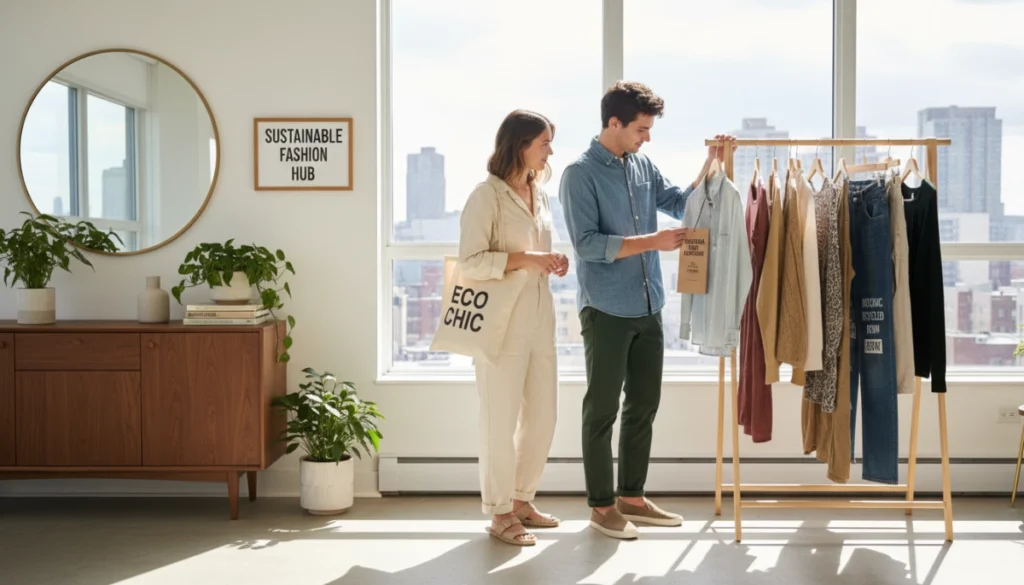
Why Sustainable Fashion Matters More Than Ever in 2026
The real cost of fast fashion in 2026
If you’ve ever wondered why clothes feel cheaper and your closet feels fuller—but the world looks worse—this is why:
| Fast Fashion Problem | What It Looks Like in 2026 | Why It Matters |
|---|---|---|
| Textile waste | Billions of garments landfilled or burned each year in the US and worldwide | More microplastics, toxic smoke, and wasted resources |
| Overproduction | Brands dropping new styles weekly, not seasonally | Clothes are designed to be disposable, not durable |
| Synthetic fibers | Polyester and nylon in most “cheap” pieces | Shed microplastics into oceans every wash |
Fast fashion isn’t just “affordable style”—it’s a system that treats clothing as trash from day one.
Social and labor ethics behind cheap clothing
Ethical clothing brands price their pieces differently for a reason. Behind ultra-cheap clothes, there’s usually a hidden human cost:
- Unfair wages: Garment workers often earn far below a living wage.
- Unsafe conditions: Overcrowded factories, long shifts, and little protection.
- Exploitation gaps: Women, migrants, and young workers are hit hardest.
When a T-shirt costs less than a decent lunch, someone else is paying the difference.
How new rules are changing fashion
In 2026, fashion can’t hide in the shadows like it used to. Governments and consumers are demanding transparent supply chains:
- Stricter regulations on waste, chemical use, and labor standards.
- Mandatory reporting on emissions, materials, and factory locations in more markets.
- Digital tools like QR codes and product passports showing where and how pieces were made.
Brands that embrace eco-friendly fashion trends, honest reporting, and third-party checks are the ones that last. The rest get called out—or regulated out.
Personal style + sustainability now go together
Sustainable fashion isn’t about looking “basic” or sacrificing your style. In 2026, ethical style choices are actually shaping trends:
- Timeless ethical wardrobe pieces instead of throwaway looks.
- Secondhand and thrift fashion becoming mainstream, not a backup plan.
- Eco-friendly clothing brands offering everything from streetwear to workwear.
You don’t have to choose between style and ethics anymore—you can build a look that actually reflects your values.
Benefits for your wallet, wardrobe, and the planet
Sustainable fashion trends in 2026 aren’t just “good for the Earth”—they’re practical:
For your wallet:
- Higher-quality basics = fewer replacements.
- Smart buying = less impulse shopping and regret.
- Resale value on quality, ethical clothing brands.
For your wardrobe:
- Clothes that fit your real life, not just your feed.
- Better fabrics (organic cotton, hemp, linen, recycled fibers) that feel good and last.
- A closet you actually wear and love—no “stuffed but nothing to wear” problem.
For the planet:
- Less textile waste and fewer microplastics.
- Lower carbon footprint per garment.
- Support for fair trade apparel, regenerative agriculture textiles, and cleaner production.
Sustainable fashion in 2026 isn’t a niche trend anymore—it’s the smartest way to shop, dress, and express who you are without trashing the planet.
Key Sustainable Fashion Trends Shaping 2026
Circular fashion economy: resale, rental, repair, and take-back
In 2026, circular fashion is standard, not niche. Instead of buying and tossing, shoppers in the U.S. are:
- Reselling pieces on platforms like Poshmark, Depop, and local Facebook groups
- Renting outfits for events, travel, and maternity instead of buying one-time looks
- Using repair services and tailor shops to fix, resize, and refresh clothes
- Choosing brands with take-back programs that reclaim old items for recycling or resale
This circular wardrobe system keeps clothes in use longer and cuts down on textile waste and impulse fast-fashion buys.
Upcycled clothing trends and creative reuse
Upcycled clothing trends are booming because people want unique pieces and less waste. I see shoppers gravitating toward:
- Remade denim (patchwork jeans, reworked jackets)
- Cut-and-sewn streetwear from deadstock and vintage tees
- One-of-one pieces that feel more special than mass-produced fashion
If you like thrift and secondhand, this is where style and eco-friendly fashion trends meet: you get something fresh without creating new demand.
Slow fashion movement and timeless ethical wardrobe
The slow fashion movement in the U.S. is all about fewer, better pieces. Instead of chasing every micro-trend, people are:
- Building a timeless ethical wardrobe with core staples
- Buying less often, but choosing higher-quality, ethical clothing brands
- Focusing on fits, colors, and fabrics that work year-round
It’s a mindset shift: conscious consumer fashion over quick hauls.
Sustainable materials fashion: organic cotton, hemp, linen, bamboo, recycled fibers
Sustainable materials fashion is now a top filter when people shop online. The most in-demand fabrics:
- Organic cotton (GOTS certified whenever possible) for tees, underwear, basics
- Hemp and linen for breathable, long-lasting summer pieces
- Bamboo and TENCEL™ / lyocell for soft, drapey tops and dresses
- Recycled polyester clothing from bottles and textile waste for activewear and outerwear
Shoppers are looking for clear fabric breakdowns and proof that these materials are actually used, not just marketing.
Regenerative agriculture textiles
A major 2026 shift: regenerative agriculture textiles. Instead of just “organic,” brands highlight:
- Cotton and wool from farms that restore soil health
- Reduced water use and biodiversity-friendly farming
- Traceable farm-to-fabric stories
For U.S. customers who care about climate, this goes beyond “less bad” and aims for soil-positive, climate-helpful fashion.
Vegan leather alternatives and plant-based materials
Vegan leather alternatives are getting more advanced and less plastic-heavy. Popular options include:
- Pineapple leaf (Piñatex), cactus, apple, and mushroom-based leathers
- Lower-chemical PU blends with higher plant content
- Cruelty-free fashion for bags, sneakers, and jackets
Shoppers are asking not just “Is it vegan?” but also “Is it lower impact than regular faux leather?”
Low-impact dyes fashion and cleaner production
In 2026, low-impact dyes fashion shows up right on the product page. Ethical brands highlight:
- Bluesign®-approved or low-toxicity dyes
- Water-saving dye processes and wastewater treatment
- Undyed or naturally dyed basics in neutral tones
If you’ve ever worried what’s going into waterways, this is where cleaner production processes matter most.
Transparent supply chain brands and certifications
Transparent supply chain brands are winning trust by showing receipts, not just slogans. Shoppers in the U.S. are looking for:
- Factory locations and photos
- Clear info on wages and working conditions
- Third-party certifications like GOTS, Fair Trade, B Corp, and OEKO-TEX
This transparency makes it easier to spot greenwashing in fashion and reward brands that are actually doing the work.
Biodegradable fabrics trends and end-of-life design
The newest wave of sustainable fashion trends 2026 focuses on what happens when you’re done wearing something. Key moves:
- Biodegradable fabrics trends (organic cotton, wool, hemp, linen, some innovative plant-based textiles)
- Fewer mixed-fiber blends that are impossible to recycle
- Tags and care labels that explain end-of-life options: composting, take-back, or recycling
Designing for end-of-life means your clothes aren’t destined to sit in a landfill for 200+ years—and that’s where truly eco-friendly clothing brands are headed.
How to Identify Truly Ethical and Eco-Friendly Clothing Brands
If I’m putting my money into a brand, I want to know it’s not trashing the planet or exploiting people. Here’s how I quickly spot truly ethical clothing brands vs fast fashion noise.
Key signs of ethical clothing brands vs fast fashion
Red flags for fast fashion:
- New collections every week, constant “flash sales”
- Vague claims: “eco,” “conscious,” “green” with no proof
- No clear info on factories, wages, or materials
- Ultra‑cheap prices that make no sense for fair labor
Good signs of eco-friendly clothing brands:
- Slower drops, small runs, or made-to-order
- Detailed “About” or “Sustainability” pages with specifics
- Clear info on factories, locations, and worker standards
- Breakdowns of materials (e.g., “95% organic cotton, 5% elastane”)
Certifications that actually matter
When I’m scanning eco-friendly fashion trends, I look for legit labels, not made-up badges.
Worth paying attention to:
- GOTS (Global Organic Textile Standard) – Strong for organic cotton clothing and other natural fibers
- Fair Trade Certified – Better guardrails around wages and working conditions
- B Corp – Measures overall impact: workers, community, environment
- OEKO-TEX STANDARD 100 – Tests for harmful chemicals on finished products
These don’t make a brand perfect, but they’re better than “eco” stickers with no backing.
How to spot greenwashing in fashion
Fast fashion is getting smarter at greenwashing in fashion. I watch for:
- Buzzwords without data: “sustainable materials fashion” but no numbers
- Tiny “eco” capsule while 95% of the site is still cheap polyester
- “Recycled polyester clothing” claims with no % or source
- No explanation of what “vegan leather alternatives” actually are (many are just plastic)
If there’s no clear material breakdown, no impact metrics, and no third-party checks, it’s probably marketing.
Reading sustainability reports like a pro
A real conscious consumer fashion move is to skim a brand’s sustainability or impact report instead of just their homepage.
I look for:
- Clear numbers: % of organic, recycled, or regenerative materials
- Time-bound goals: “100% renewable energy in factories by 2030,” not “we aim to be greener”
- Scope: Do they cover materials, labor, water, chemicals, and waste?
- Follow-through: Showing progress year-over-year, not the same promises every year
If it’s all photos, slogans, and no data, I move on.
Questions to ask about materials, labor, manufacturing
For US customers shopping online, I keep a simple ethical fashion checklist handy:
-
Materials
- What % is organic, recycled, or plant-based textiles (hemp, bamboo, linen)?
- Any low-impact dyes or water-saving processes?
- Are they using biodegradable fabrics or just more synthetics?
-
Labor
- Are factory locations listed?
- Do they mention living wage, not just “minimum wage”?
- Any Fair Trade or other social certifications?
-
Manufacturing
- Do they talk about waste, repair, or a circular fashion economy (take-back, resale, repair)?
- Are emissions or energy use addressed at all?
If I email or chat and they dodge these questions, that’s my answer.
Price, quality, and durability as sustainability clues
Sustainable fashion trends 2026 aren’t just about labels; they’re about how long your clothes last.
Here’s how I read price and quality:
- Too cheap = someone else is paying the price
- $5 tees and $10 dresses almost never line up with ethical labor or clean materials.
- Higher but fair price + strong build = better bet
- Thick fabric, tight stitching, no loose threads
- Timeless designs that fit a timeless ethical wardrobe or capsule wardrobe sustainable setup
- Cost-per-wear mindset
- A pricier, durable organic cotton hoodie worn 100+ times is more sustainable than three flimsy fast fashion ones.
When I’m curating brands or recommending eco-friendly clothing brands, I’m always weighing this trio: price, quality, and durability. If all three line up with transparent practices and real data, it’s usually a brand worth backing.
Top Eco-Friendly Clothing Brands to Know in 2026
When I shop or recommend brands on megapickly, I look for three things first: real sustainability, real style, and real transparency. Below are the types of eco-friendly clothing brands worth knowing in 2026, plus how I help you actually find and trust them.
Outdoor & Performance Eco-Friendly Fashion Brands
For U.S. customers, outdoor and athleisure gear has to be tough, comfortable, and climate-conscious. Here’s what I focus on:
- Key features I look for
- Recycled polyester clothing (recycled bottles, fishing nets, fabric scraps)
- Bluesign-approved and low-impact dyes for less toxic runoff
- Durable water repellent (DWR) coatings without forever chemicals (no PFAS/PFCs)
- Fair trade apparel programs and safe working conditions
- Typical categories:
- Hiking pants and shells made with recycled fibers
- Performance base layers in merino, organic cotton, hemp blends
- Everyday technical hoodies and joggers that still look good off the trail
On megapickly, I tag these as “sustainable outdoor” and “performance eco-friendly fashion”, so you can filter fast.
Everyday Ethical Clothing Brands for Basics & Workwear
Day-to-day, most of us need basics and workwear that just… work. I focus on:
- Materials
- GOTS certified organic cotton clothing
- Hemp and bamboo clothing (when processed responsibly)
- Linen and TENCEL™ for breathable, long-lasting pieces
- Style focus
- Clean cuts, office-ready shirts, chinos, knitwear
- Soft tees, tanks, and loungewear you actually want to live in
- Ethics
- Fair trade fashion labels
- Verified living wages, not just “ethical vibes” in the marketing
These brands are ideal if you want a capsule wardrobe (sustainable): less noise, more quality.
Luxury & Designer Sustainable Fashion Labels
If you’re into ethical luxury fashion, the 2026 trend is all about traceability and timeless design:
- What sets them apart
- Small-batch production and slow fashion movement principles
- Detailed, public supply chain info and transparent supply chain brands
- Regenerative agriculture textiles (regenerative wool, cotton grown in soil-friendly systems)
- Materials you’ll see
- Peace silk, organic wool, organic cotton sateen
- Plant-based textiles blended with recycled fibers for structure
On megapickly, I highlight luxury labels that prove their claims with third-party certifications and clear impact reporting, not just nice storytelling.
Affordable Eco-Friendly Clothing Brands on a Budget
In the U.S., price matters. I don’t pretend otherwise. For affordable sustainable fashion, I look for brands that:
- Use better materials at accessible price points, like:
- Organic cotton tees and denim
- Recycled polyester leggings and basics
- Focus on:
- Fewer drops per year (slow fashion movement)
- Solid construction and good stitching (so you buy less, not more)
- Keep marketing honest:
- No “$5 ethical dress” lies
- Clear about where they compromise and where they don’t
Megapickly lets you filter by price range + sustainability tags, so you can balance budget and values in one view.
Upcycled Clothing Brands & Circular-First Labels
Upcycled clothing brands are core to the circular fashion economy. These are the labels I prioritize when you want something creative and low-impact:
- What they do
- Turn deadstock fabric, unsold inventory, or thrifted garments into new designs
- Run take-back programs and repair services
- Why it matters
- Extends garment life cycle
- Cuts textile waste going to U.S. landfills and incinerators
- Common styles:
- Patchwork denim, reconstructed jackets and shirts
- Limited-edition drops made from existing stock, not new fabric runs
On megapickly, I tag these under “upcycled clothing brands” and “circular-first” so you can build a circular wardrobe system, not just shop more.
Vegan & Cruelty-Free Fashion Brands to Watch
If you’re prioritizing vegan leather alternatives and cruelty-free fashion, you’ll see a lot of innovation in 2026:
- Materials to look for
- Plant-based options: pineapple, cactus, apple, mycelium (mushroom “leather”)
- Recycled synthetics with low-impact dyes and strict chemical controls
- What I screen for
- No animal-derived materials
- Clear statements on chemical safety and microplastic risk
- Honest lifecycle talk (end-of-life, recycling, or biodegradable fabrics trends)
On megapickly, you can filter by “vegan & cruelty-free” across shoes, bags, belts, and apparel so you don’t have to guess.
Size-Inclusive & Diverse Ethical Clothing Brands
Sustainable fashion in the U.S. has to work for every body and every style. I give priority to size-inclusive ethical clothing brands that:
- Offer:
- Wide size ranges (typically XXS–4X/5X, plus tall/petite when possible)
- Fit photos and models that reflect real bodies and different backgrounds
- Commit to:
- Fair labor and fair trade apparel whenever possible
- Accessible design (adaptive details, comfort-first fits without losing style)
I flag these brands as “size-inclusive”, so you don’t waste time on labels that top out at a size 8 while calling themselves “inclusive.”
How megapickly Helps You Discover Trusted Sustainable Brands
Megapickly exists to make conscious consumer fashion simple instead of overwhelming. Here’s how I help you spot truly eco-friendly clothing brands and skip the noise:
- Curated, not cluttered
- I don’t list every brand. I filter for meaningful standards: GOTS, Fair Trade, B Corp, OEKO-TEX, and other credible indicators.
- Clear sustainability tags
- Examples:
- Organic cotton clothing
- Recycled polyester clothing
- Vegan & cruelty-free
- Circular / upcycled
- Regenerative agriculture textiles
- Low-impact dyes fashion
- Biodegradable fabrics
- Examples:
- Anti-greenwashing filters
- I review claims against actual reports, third-party audits, and product labeling. If a brand screams “eco” but can’t back it up, it doesn’t get a sustainability badge.
- Personalized discovery
- You can filter by:
- Category (basics, outdoor, streetwear, luxury)
- Budget
- Values (vegan, fair trade, circular, size-inclusive)
- This makes building a timeless ethical wardrobe or a sustainable capsule wardrobe straight-forward, not a part-time job.
- You can filter by:
My goal with megapickly is simple: help you make responsible fashion choices without sacrificing style, comfort, or your budget, and give you a trusted path through the best sustainable fashion trends 2026 has to offer.
Building an Ethical Wardrobe: Practical Style Choices
Audit your closet with a sustainable mindset
I always start with what’s already in the closet. It’s the most sustainable “shopping” you can do.
Quick eco-conscious closet audit:
- Pull everything out: sort into piles – love & wear, repair, resell/donate, recycle.
- Ask for each piece:
- Do I wear this at least 1–2 times a month in season?
- Does it fit and feel good right now?
- Can it be styled 3+ ways with what I own?
- Keep: high-quality, timeless, comfortable pieces.
- Repair: anything you’d wear again with a small fix (button, hem, small tear).
- Resell/Donate: good condition but not your style.
- Recycle: stained, damaged, or worn-out textiles (use local textile recycling or brand take-back programs).
This gives you a clear view of what you actually need before buying from eco-friendly clothing brands.
Capsule wardrobe with sustainable fashion pieces
A capsule wardrobe keeps things simple, versatile, and low-waste. It’s perfect if you’re in the U.S. juggling work, errands, and weekend plans.
Core capsule wardrobe (example):
- Tops:
- 2–3 organic cotton tees (white, black, neutral)
- 2 shirts or blouses (one classic white, one in a color you love)
- Bottoms:
- 1 pair dark denim jeans (preferably recycled cotton or organic cotton clothing)
- 1 pair tailored pants for work
- 1 easy skirt or casual pant for weekends
- Layers:
- 1 recycled polyester or organic cotton sweatshirt
- 1 wool or organic cotton cardigan
- 1 versatile jacket (trench, denim, or utility)
- Dresses/Jumpsuits:
- 1–2 seasonless pieces you can dress up or down
- Shoes:
- 1 everyday sneaker (look for recycled or vegan materials)
- 1 smart casual shoe (flat or heel)
Focus on neutral colors + a few accent shades you actually wear. This supports a timeless ethical wardrobe, not trends you’ll ditch next season.
Versatile basics in organic and low-impact materials
For daily wear, I stick to sustainable materials fashion that feels good on skin and holds up over time:
Good everyday fabric picks:
- Organic cotton: soft tees, underwear, socks, button-downs
- Hemp & linen: breathable shirts, summer pants, dresses
- TENCEL™ / Lyocell: drapey tops, blouses, dresses
- Recycled fibers: recycled polyester clothing for activewear and outerwear
When you shop, look for:
- GOTS-certified organic cotton
- OEKO-TEX® or other low-impact dyes fashion labels (safer colors and finishes)
- Simple designs in colors you already wear a lot
These versatile basics make it easier to create eco-friendly outfit ideas without overbuying.
Mixing secondhand, vintage, and new ethical clothing
You don’t have to choose between thrift fashion and ethical clothing brands. I mix all three:
- Secondhand & thrift:
- Grab jeans, blazers, denim jackets, and statement pieces.
- Use U.S. resale apps, local thrift stores, and consignment shops.
- Vintage:
- Look for quality coats, leather jackets, and timeless dresses.
- New sustainable fashion:
- Fill real gaps only (like work basics or underwear) with eco-friendly clothing brands.
Think of it as a circular wardrobe system:
- First: shop your closet
- Second: secondhand and vintage
- Third: new ethical, fair trade apparel only when needed
Styling everyday outfits with eco-friendly fashion brands
I build outfits around 1–2 sustainable hero pieces and keep the rest simple.
Easy everyday combos:
- Work-from-home / casual:
- Organic cotton tee + recycled joggers + thrifted overshirt
- Office-ready:
- GOTS certified blouse + tailored pants (ethical brand) + vintage blazer
- Weekend errand run:
- Hemp or bamboo clothing top + secondhand jeans + vegan leather sneakers
- Night out:
- Simple black dress (slow fashion brand) + bold upcycled clothing accessories
Stick with comfortable, repeatable looks you’ll actually wear weekly.
Ethical footwear and accessories: belts, bags, jewelry
Footwear and accessories are key for ethical style choices without replacing your entire wardrobe.
What I look for:
- Shoes:
- Vegan leather alternatives (pineapple, apple, cactus, mushroom leather)
- Recycled rubber or recycled plastic soles
- Classic sneakers and boots made to be repaired
- Bags & belts:
- Plant-based textiles or high-quality leather from transparent supply chain brands
- Upcycled clothing brands that turn deadstock or old materials into bags
- Jewelry:
- Recycled metals, lab-grown stones, or small fair trade fashion labels
Choose simple, everyday pieces you can wear with most outfits instead of trend-heavy items.
Care, repair, and washing tips to extend garment life
How you care for clothes is just as important as where you buy them. It’s core to the slow fashion movement.
Low-impact care routine:
- Wash less:
- Air out items between wears; spot clean instead of full wash.
- Cold water, gentle cycle:
- Saves energy and helps fabrics last longer.
- Skip the dryer when possible:
- Hang or lay flat to dry, especially for knits and activewear.
- Repair first:
- Learn basic fixes: sewing a button, small seam repair, using iron-on patches.
- Use local tailors or cobblers for bigger fixes (hems, soles, zippers).
- Protect delicate fabrics:
- Use laundry bags, mild detergents, and avoid harsh bleach.
This approach supports conscious consumer fashion, cuts long-term costs, and keeps clothes in rotation instead of in landfills.
Overcoming Common Challenges in Sustainable Shopping
Budgeting for Ethical Fashion and Higher Prices
Yes, sustainable fashion can cost more up front, but it doesn’t have to wreck your budget.
Simple ways to handle higher prices:
- Buy less, but better:
Trade 3 impulse fast-fashion buys for 1 durable, sustainable piece. Your cost per wear drops fast. - Set a monthly “ethical fashion” budget:
Even $25–$50/month is enough if you focus on key basics and watch for sales. - Prioritize what you wear most:
Spend on jeans, tees, sneakers, outerwear you wear constantly. Go cheaper or secondhand for trend pieces. - Use resale platforms:
Shop secondhand and thrift fashion for GOTS certified clothing, fair trade apparel, and even B Corp fashion brands at a discount. - Think in “cost per year,” not sticker price:
A $120 jacket that lasts 6 years beats a $40 one that dies in one season.
Finding Sustainable Fashion Trends That Still Feel Stylish
You don’t have to dress “earthy” to shop eco-friendly.
To stay stylish and sustainable:
- Follow eco-friendly fashion trends on Instagram/TikTok: search tags like #sustainablefashion, #slowfashionmovement, #ethicalstyle.
- Mix sustainable basics (organic cotton clothing, hemp and bamboo clothing) with your current closet.
- Look for sustainable streetwear brands, ethical luxury fashion, and vegan and cruelty-free fashion labels that match your vibe.
- Don’t chase every trend; build a timeless ethical wardrobe where 80% is classic, 20% is fun trends.
Shopping Sustainably with Limited Local Options
If you’re in a smaller U.S. city or suburb, local options might be thin. You still have plenty of moves.
Workarounds when stores near you aren’t great:
- Use online eco-conscious shopping guides to find eco-friendly clothing brands that ship to the U.S.
- Lean on thrift stores, consignment shops, yard sales, and local Facebook groups.
- Try resale apps and the circular fashion economy: resale, rental, and repair.
- Start local swaps with friends, coworkers, or community groups—low-cost, high-impact.
Balancing Personal Style, Comfort, and Eco-Friendly Choices
Sustainable fashion should feel like you, not a costume.
Keep your style front and center:
- Define your 3–5 go-to outfits (work, weekend, going out) and upgrade those with sustainable materials fashion.
- Focus on comfort-first fabrics: organic cotton, linen, bamboo, recycled fibers that breathe and move well.
- Use trends in small doses: a recycled polyester clothing jacket, upcycled clothing brands for unique pieces, vegan leather alternatives for jackets or bags.
- Remember: the most sustainable clothes are the ones you actually wear, often.
Navigating Labels, Claims, and Greenwashing in Fashion
Labels and claims can be confusing—and some are straight-up misleading.
Quick checklist to avoid greenwashing in fashion:
- Look for real certifications, like:
- GOTS (organic textiles)
- Fair Trade (labor standards)
- OEKO-TEX (tested for harmful substances)
- B Corp (overall social and environmental performance)
- Be careful with vague claims like “eco-friendly,” “conscious,” “green” with no data or details.
- Check if the brand shares transparent supply chain info: factories, wages, materials, and impact reports.
- If a “sustainable” line is 5% of a massive fast-fashion catalog, that’s a red flag.
Small Realistic Steps to Start a More Ethical Wardrobe
You don’t need a perfect sustainable wardrobe. You just need to start.
Easy steps you can take this month:
- Step 1: Pause before you buy
Ask: Will I wear this 30+ times? Do I really need it? - Step 2: Swap one item
Replace just one basic (tee, sweatshirt, jeans) with an ethical clothing brand using organic or recycled materials. - Step 3: Wash better, keep longer
- Wash cold
- Air dry when you can
- Repair small rips and replace buttons
Extending garment life is one of the most powerful sustainable wardrobe tips.
- Step 4: Add secondhand to your routine
Make secondhand and thrift fashion your first stop, not your last. - Step 5: Set a simple rule
For example: “No more polyester unless it’s recycled” or “Only buy new if I’ve checked a sustainable option first.”
Sustainable fashion trends 2026 don’t require a total lifestyle overhaul. You just need consistent, responsible fashion choices that fit your budget, your style, and your real life.
The Future of Sustainable Fashion Trends in 2026 and Beyond
Sustainable fashion is about to level up fast, and in the U.S. market I see five big shifts that will change how we shop, wear, and resell clothes.
New Recycling Tech and Circular Fashion Innovations
We’re moving from “donate and hope” to real circular fashion economy systems:
- Fiber-to-fiber recycling for cotton, polyester, and blends means your old tee can come back as a new one, not landfill.
- Brand take-back programs: send in worn pieces, get store credit, and keep materials in the loop.
- Resale, rental, and repair platforms are becoming standard features for eco-friendly clothing brands, not niche add-ons.
If a brand isn’t talking clearly about recycling, resale, or repair, they’re already behind.
Digital IDs, Blockchain, and Transparent Supply Chains
You’ll see more digital IDs (QR codes / NFC tags) on clothing that let you:
- Scan and see where the garment was grown, woven, dyed, and sewn.
- Check certifications (GOTS, Fair Trade, B Corp, OEKO-TEX) in seconds.
- Get care, repair, and resale info to extend garment life.
Some ethical clothing brands are layering in blockchain to lock in radical transparency so data can’t be quietly edited later. That’s a win for trust.
Policy Changes and Global Agreements
Policy is catching up to the sustainable fashion movement:
- Extended Producer Responsibility (EPR): brands may have to pay for end-of-life collection and recycling.
- Stricter greenwashing rules in the U.S. and EU will push brands to back up “eco-friendly” claims with real data.
- Carbon disclosure and due diligence laws will make it harder to hide harmful labor or dirty factories.
Expect more pressure on fast fashion and more support for ethical clothing brands doing things right.
Regenerative and Local Production Models
We’re shifting from “less bad” to net positive:
- Regenerative agriculture textiles (cotton, hemp, wool, linen) that rebuild soil, lock in carbon, and support biodiversity.
- More regional supply chains in North America: closer farms, mills, and factories mean lower emissions and more traceable labor.
- Brands investing in long-term relationships with farmers and small manufacturers instead of chasing the cheapest price.
If you care about organic cotton clothing, hemp and bamboo clothing, and plant-based textiles, regenerative practices are the next level.
How Consumer Choices Push Eco-Friendly Fashion Forward
In the U.S., what we buy (and don’t buy) moves the market:
- Shopping secondhand and thrift fashion first signals demand for a circular wardrobe system.
- Choosing slow fashion movement pieces—timeless fits, quality fabrics, fair trade apparel—pushes brands away from disposable trends.
- Supporting transparent supply chain brands and calling out greenwashing in fashion on social media creates public pressure.
Every swipe of a card is a vote. Enough votes, and the industry follows.
Staying Updated and Involved With Ethical Style Movements
To stay ahead of sustainable fashion trends 2026 and beyond, I’d lock in a few habits:
- Follow 3–5 ethical clothing brands and sustainable streetwear brands you trust on social and sign up for their newsletters.
- Use platforms (like mine) that pre-vet eco-friendly clothing brands, upcycled clothing brands, vegan leather alternatives, and cruelty-free fashion so you’re not decoding every label from scratch.
- Check in once a season:
- Can I buy this secondhand?
- Is there a sustainable materials fashion option (organic cotton, recycled polyester clothing, biodegradable fabrics)?
- Does the brand show real impact data, not just buzzwords?
The future of sustainable fashion is more transparent, more circular, and a lot more honest. If we keep asking better questions and buying with intention, brands won’t just follow the trend—they’ll have to rebuild how fashion works from the ground up.