

Understanding Healthy, Radiant Skin
If your skin looks dull, tired, or “blah” no matter what you use, you’re not alone. Healthy, glowing skin isn’t about perfection or a 12‑step routine—it’s about giving your skin what it actually needs and cutting what quietly harms it.
What Healthy Skin Really Means
When I talk about healthy skin, I’m really talking about a few non‑negotiables:
- Hydration: Skin holds water well, feels comfortable, not tight or flaky.
- Resilience: It recovers quickly from irritation, breakouts, or a long night.
- Balanced oil levels: Not chronically greasy, not desert‑dry—just balanced.
- Intact barrier: No constant stinging, burning, or random redness.
Healthy skin has a strong skin barrier that locks in moisture and keeps irritants out. The right hydrating skincare ingredients—like glycerin, hyaluronic acid, and ceramides—are key building blocks here.
Signs of Truly Radiant Skin
“Glow” is more than a highlighter trick. Radiant skin usually looks:
- Even in tone: Fewer dark spots, less redness, less blotchiness.
- Smooth in texture: Minimal rough patches, flakiness, or obvious bumps.
- Plump and bouncy: Skin springs back when you press it—thanks to hydration and collagen.
- Naturally luminous: A soft, lit‑from‑within look, not greasy shine.
This kind of glow comes from glowing skin ingredients (like vitamin C, niacinamide, and gentle exfoliants) plus consistent protection and hydration.
How Skin Type Changes Ingredient Needs
Your skin type decides which ingredients will work best—not the latest trend.
- Dry skin:
- Loves: ceramides, cholesterol, fatty acids, squalane, rich creams
- Avoids: harsh foaming cleansers, over‑exfoliation
- Oily skin:
- Loves: niacinamide, salicylic acid, lightweight gel moisturizers, non‑comedogenic face oils like squalane
- Avoids: heavy, pore‑clogging creams and fragrances
- Combination skin:
- Loves: layered hydration, targeted treatments (oil‑control in T‑zone, richer creams on dry areas)
- Sensitive skin:
- Loves: panthenol, centella asiatica, colloidal oatmeal, PHA exfoliants, fragrance‑free formulas
- Avoids: strong fragrances, high‑percentage acids, aggressive scrubs
The same natural skincare actives won’t work the same way on every skin type. Customizing is where real results start.
Biggest Skin Blockers You’re Facing Daily
Even the best serums for glow can’t fully shine if your skin is constantly under attack. The most common glow killers are:
- Pollution: Creates free radicals that damage collagen and trigger dullness.
- UV rays: #1 cause of premature aging, dark spots, and uneven tone—this is why SPF for anti‑aging is non‑negotiable.
- Blue light (screens): Emerging data suggests it may contribute to pigmentation and oxidative stress.
- Chronic stress: Spikes inflammation, worsens acne, rosacea, and overall redness.
- Inflammation: Quietly breaks down collagen and barrier function over time.
This is where antioxidants for skin (vitamin C, vitamin E, green tea extract, resveratrol, coenzyme Q10) and daily SPF earn their place in any routine.
Why Ingredients and Lifestyle Have to Work Together
You can’t out‑serum a sleep‑deprived, stressed‑out, dehydrated lifestyle—and you don’t have to.
For truly healthy and radiant skin, pair smart skincare actives with simple habits:
- Topicals:
- Vitamin C for brightening and dark spots
- Hyaluronic acid hydration for plumpness
- Niacinamide benefits for pores, redness, and barrier support
- Ceramides for dry skin and barrier repair
- Lifestyle “ingredients”:
- Omega‑3 for skin health (salmon, chia, walnuts)
- Antioxidant‑rich foods (berries, leafy greens, colorful veggies)
- Steady hydration, reasonable caffeine and alcohol, consistent sleep
When topical ingredients and diet and lifestyle ingredients line up, skin looks calmer, clearer, and more resilient—and that’s the foundation of lasting, real‑world radiance.
Core Building Blocks of a Radiant-Skin Routine
When I build routines for healthy, radiant skin, I always come back to four core glowing skin ingredients: a non‑stripping cleanser, daily SPF, a solid moisturizer, and the right texture for your skin type. This is the foundation every U.S. customer needs before adding fancy serums.
Non‑stripping cleansers: your base for all actives
Your cleanser should never leave your face feeling tight or squeaky.
Look for (face wash / cleanser):
- “Gentle,” “hydrating,” or “non‑stripping” on the label
- Low‑foam gel or cream formulas
- Ingredients like glycerin, aloe, ceramides, panthenol
Avoid using daily:
- Harsh scrubs with big grains
- High‑foaming, strong “oil‑control” washes that make your skin feel dry
A good non‑stripping cleanser keeps your skin barrier strong, so your vitamin C, niacinamide, retinol, and other natural skincare actives can actually work without irritating your skin.
SPF: the ultimate radiance ingredient
If you skip SPF, you’re basically undoing your glow.
Why SPF is non‑negotiable for radiant skin:
- Prevents dark spots, uneven skin tone, fine lines, and collagen breakdown
- Protects against UV, pollution, and even some blue light from screens
- Boosts the results of your brightening ingredients like vitamin C and niacinamide
For everyday in the U.S.:
- Use broad‑spectrum SPF 30 or higher every morning
- Reapply every 2 hours if you’re outside, driving a lot, or at the beach
Look for lightweight, non‑greasy formulas that fit how Americans actually live:
- SPF gel or fluid for oily/combination skin
- Moisturizing SPF cream or lotion for normal to dry skin
- Mineral SPF (zinc oxide) if you’re sensitive or easily irritated
Moisturizers that lock in hydration & protect the barrier
A good moisturizer keeps skin plump, bouncy, and calm—and helps all your other glowing skin ingredients work better.
Key hydrating skincare ingredients to look for:
- Humectants: hyaluronic acid, glycerin, aloe (for hydration)
- Barrier repair ingredients: ceramides, cholesterol, fatty acids
- Soothing ingredients: panthenol, allantoin, centella asiatica
If your skin barrier is strong, you’ll notice less redness, less flaking, and better glow.
Matching textures (gel, lotion, cream, oil) to your skin type
The texture matters just as much as the ingredients.
For oily or acne‑prone skin:
- Use gel cleansers and gel or light lotion moisturizers
- Look for oil‑free, non‑comedogenic, niacinamide, and salicylic acid
- If you use oils, stick to squalane or jojoba in tiny amounts
For combination skin:
- Gel cleanser or gentle foam
- Lotion moisturizer all over, and add a light cream only on dry areas
- Spot treat the T‑zone with BHAs (salicylic acid) if needed
For dry or sensitive skin:
- Cream or milk cleanser; avoid harsh foaming
- Cream moisturizers rich in ceramides, shea butter, squalane
- Face oils like rosehip, squalane, or jojoba can be layered on top at night
For normal skin:
- You can go with lotions by day and creams at night
- Focus on maintaining glow with hydrating ingredients and daily SPF
Nail these four basics first—non‑stripping cleanser, SPF, the right moisturizer, and the right texture for your skin type—and every other brightening, anti‑aging, or exfoliating product you add will work a lot harder for your glow.
Brightening & Antioxidant Ingredients for Glow
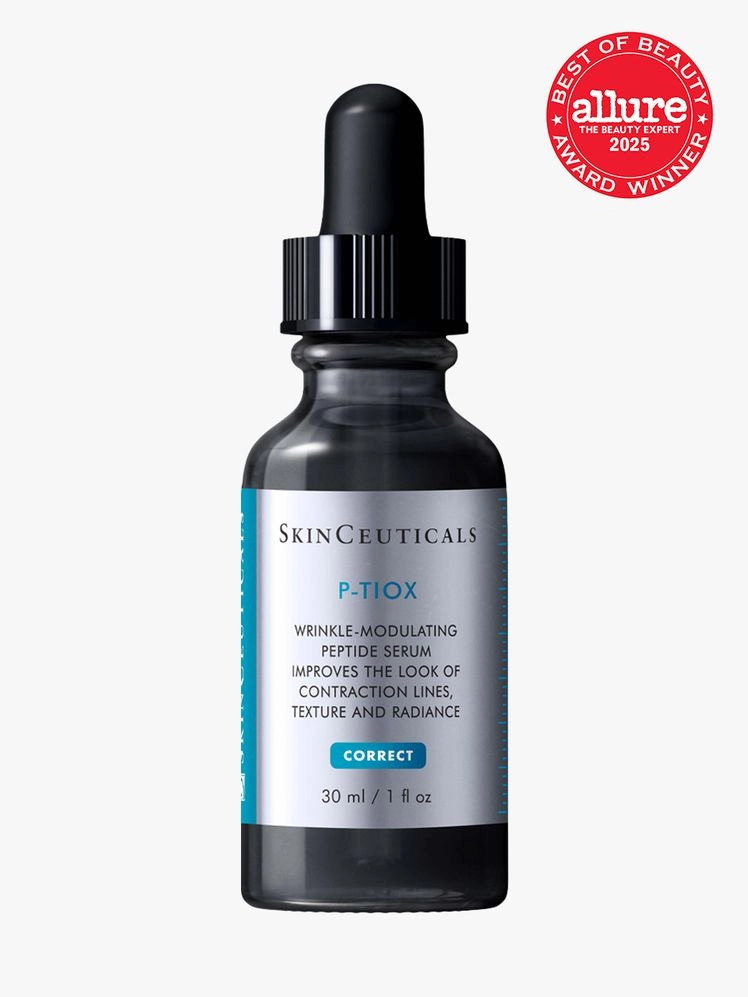
When people ask me what actually gives healthy, radiant skin, I always start with brightening and antioxidant ingredients. These are the real “glow” workers in any routine.
Vitamin C for Brightening & Collagen
Vitamin C for brightening is still the gold standard in the U.S. market because it does three big things:
- Fades dark spots and acne marks
- Boosts collagen for firmer skin
- Protects against daily damage from pollution and UV
How vitamin C works on dark spots & dullness:
- Blocks excess melanin production (what causes dark spots)
- Fights free radicals from sun and city pollution
- Helps your skin look more even, clearer, and less “flat”
Types of Vitamin C & Stability
Not all vitamin C serums for glow are the same. Here’s the quick breakdown:
| Type of Vitamin C | What It Is | Best For |
|---|---|---|
| L‑ascorbic acid | Pure vitamin C | Fast brightening, strong results |
| Sodium ascorbyl phosphate | Gentler derivative | Acne‑prone, sensitive skin |
| Ascorbyl glucoside / tetrahexyldecyl ascorbate | More stable forms | Long-term use, less irritation |
Look for:
- Dark or opaque bottle (protects from light)
- Air‑tight pump if possible
- pH and % listed (10–20% for L‑ascorbic acid is common)
Best Way to Use Vitamin C Serums
For most U.S. customers, this is how I recommend using glowing skin ingredients like vitamin C:
- Time: Morning, after cleansing, before moisturizer and SPF
- Frequency: Daily if your skin tolerates it
- Layering:
- Cleanser
- Vitamin C serum
- Hydrating serum (like hyaluronic acid)
- Moisturizer
- SPF 30+
Tips:
- If you’re sensitive, start 2–3x/week
- Slight tingling is normal; burning or intense redness is not
Niacinamide Benefits for Tone & Texture
I lean on niacinamide a lot because it’s one of the most beginner‑friendly natural skincare actives and works on multiple concerns at once:
Niacinamide benefits:
- Minimizes the look of pores
- Calms redness and blotchiness
- Smooths rough texture
- Helps even skin tone over time
- Supports the skin barrier and oil balance
How niacinamide helps:
- Regulates oil (great for combo and oily U.S. skin types)
- Reduces inflammation from breakouts
- Slows pigment transfer for more even tone
Safe Niacinamide Strengths & Pairings
Ideal niacinamide percentages:
- 2–5%: Great for sensitive or easily irritated skin
- 5–10%: Normal, oily, acne‑prone skin that wants visible results
What niacinamide pairs well with:
- Vitamin C (most modern formulas play fine together)
- Retinol (helps reduce irritation)
- AHAs/BHAs (for glow + texture)
- Hyaluronic acid & ceramides (for hydration and barrier repair)
If your skin gets tight or red easily, avoid stacking too many high‑strength products in one routine. Keep it simple: one strong active + one soothing/hydrating layer.
Antioxidants for Skin Protection
Beyond vitamin C and niacinamide, I always like to build in extra antioxidants for skin protection. These help your SPF and fight daily stress from city life, screens, and UV.
Green Tea Extract & Polyphenols
Green tea extract and other polyphenols are great for reactive or redness‑prone skin:
- Calm irritation and sensitivity
- Help with redness from acne or rosacea‑like flare‑ups
- Add a layer of defense against pollution and blue light
You’ll often see them in lightweight serums, essences, and hydrating face mists—perfect for U.S. climates where AC and heaters dry skin out.
Vitamin E, Resveratrol & CoQ10
These are strong antioxidants for skin that target oxidative stress (one of the big causes of premature aging):
- Vitamin E
- Nourishing and soothing
- Often paired with vitamin C to stabilize it
- Resveratrol
- Powerful antioxidant found in grapes
- Great for anti‑aging, urban lifestyles, and nighttime routines
- Coenzyme Q10 (CoQ10)
- Supports skin’s natural repair
- Good for fine lines, dullness, and loss of bounce
How Antioxidants Boost SPF & Daily Protection
None of these replace sunscreen, but they make your SPF routine stronger:
- Neutralize free radicals that SPF alone can’t fully block
- Help prevent dark spots, fine lines, and rough texture
- Support a more even, long‑term radiant skin look
Simple AM glow stack for U.S. lifestyles:
- Gentle, non‑stripping cleanser
- Vitamin C + antioxidant serum (niacinamide, green tea, CoQ10)
- Lightweight hydrating serum (hyaluronic acid, glycerin)
- Moisturizer matched to your skin type
- Broad‑spectrum SPF 30–50
This combo of brightening and antioxidant ingredients for glow is what I’d build around if you want healthier, more even, and truly radiant skin without overcomplicating your routine.
Hydrating Ingredients for Plump, Dewy Skin
When customers ask me what actually gives that “glass skin” glow, I always start with hydrating skincare ingredients. If your barrier is dry or leaky, no serum in the world will sit right. Here’s what really works for plump, dewy, glowing skin.
Hyaluronic acid hydration
Hyaluronic acid (HA) is one of the most talked‑about glowing skin ingredients for a reason.
- It acts like a water magnet, pulling moisture into the skin and holding up to 1,000x its weight in water.
- This helps your skin look bouncy, smooth, and fresh instead of tight or crepey.
Multi‑weight hyaluronic acid = better glow
I always look for multi‑molecular weight hyaluronic acid in formulas:
- High molecular weight: sits closer to the surface for instant plumpness.
- Low molecular weight: sinks a bit deeper to keep skin hydrated longer.
In the U.S., where indoor A/C and heat are brutal, multi‑weight HA is way more reliable for all‑day hydration.
How to use hyaluronic acid without drying your skin
HA can actually backfire if you use it wrong. To make it work for you:
- Apply on damp skin, not bone‑dry skin.
- Follow with a moisturizer or face oil to “seal” the water in.
- In very dry climates (hello, Arizona, Colorado), layer HA under a richer cream so it doesn’t pull water out of your skin.
Think: mist → HA serum → moisturizer → SPF in the morning.
Glycerin, aloe, and other humectants
Hyaluronic acid isn’t the only hero. I build my formulas around a blend of humectants because they work better together:
- Glycerin – ultra‑reliable, pulls water into the skin, great for all skin types and very barrier‑friendly.
- Aloe vera – light hydration plus soothing, ideal for red, reactive, or post‑sun skin.
- Other humectants to look for on U.S. labels: panthenol (pro‑vitamin B5), beta‑glucan, sodium PCA, propanediol.
These keep skin bouncy and comfortable without feeling greasy, which most of my oily and combo customers in humid states really appreciate.
Ceramides for barrier repair
If your skin feels tight, stings easily, or flakes around the nose and mouth, you’re probably low on ceramides.
- Ceramides are lipids (fats) that make up a big part of your skin barrier—think of them as the “mortar” between your skin cells.
- They lock in moisture, reduce irritation, and help protect from U.S. lifestyle stressors like indoor heat, over‑cleansing, and retinoids.
Why ceramides matter for healthy skin
Strong ceramide levels mean:
- Less dryness and peeling
- Less stinging and burning when you apply products
- Better tolerance to active ingredients like retinol, vitamin C, and acids
For dry and sensitive skin, I always recommend a ceramide-rich moisturizer as a non‑negotiable.
Best ceramide products for dry, sensitive skin
If your skin is dry, eczema‑prone, or easily irritated, look for:
- Fragrance‑free, alcohol‑free formulas
- Labels that say “ceramide NP, AP, EOP” or “ceramide complex”
- A combo of ceramides + cholesterol + fatty acids (this combo mimics your natural barrier)
Use them morning and night, especially if you live in colder states or use strong anti‑aging skincare actives.
Supporting lipids: cholesterol, fatty acids, and squalane
To keep skin truly radiant and resilient, ceramides work best with supporting lipids:
- Cholesterol – helps rebuild a damaged barrier and improves comfort.
- Fatty acids (like linoleic acid) – support softness and flexibility.
- Squalane – a lightweight, non‑comedogenic face oil that works for most U.S. skin types, including oily and acne‑prone.
Why I love squalane in particular:
- It feels silky, not greasy.
- It balances oil without clogging pores.
- It layers well over serums as a final glow booster.
If your skin feels dehydrated but breaks out with heavy creams, a hydrating serum + ceramide moisturizer + a drop of squalane is a simple, U.S.-friendly routine that delivers calm, plump, dewy skin without overwhelming your pores.
Skin Barrier Repair and Soothing Ingredients for Glowing Skin
Why a strong skin barrier = radiance
If your barrier is weak, you can forget real glow. A healthy barrier:
- Keeps hydration in
- Blocks pollution, bacteria, and irritants
- Reduces redness, rough texture, and tightness
In the U.S., with heating, AC, long hot showers, and urban pollution, barrier damage is one of the main reasons skin looks dull instead of radiant.
Signs your skin barrier is damaged
If you’re seeing this, your barrier needs help:
- Stinging or burning from products that used to feel fine
- Tightness right after cleansing
- Flaking or rough patches
- Sudden redness and irritation
- Products piling up but no real improvement in glow
When you’re here, you don’t need more actives—you need barrier repair.
Key skin barrier repair ingredients
Look for these skin barrier repair and soothing ingredients on your labels:
-
Panthenol (Pro‑Vitamin B5)
- Draws in and holds water for deeper hydration
- Calms irritation and helps repair a stressed barrier
- Great in non‑stripping cleansers, hydrating toners, and barrier creams
- Plays well with retinol, acids, and vitamin C when skin is reactive
-
Allantoin
- Softens rough, flaky areas
- Soothes micro‑irritation from over‑exfoliating or dry climates
- Ideal in lightweight lotions for sensitive and combo skin
-
Centella Asiatica (Cica)
- Known for calming red, reactive skin
- Supports repair when you’ve overdone acids or retinol
- Perfect for U.S. customers dealing with mask irritation, seasonal allergies, or windburn
-
Colloidal Oatmeal
- Gold‑standard for redness, itching, and sensitivity
- Creates a soft, protective film on the skin
- Amazing for dry climates, winter, eczema‑prone, and over‑treated skin
How to simplify your routine to heal the barrier
When your glow is gone and your face feels angry, strip it back. A barrier repair routine should be boring on purpose:
AM:
- Gentle, non‑stripping cleanser (or just lukewarm water if you’re very dry)
- Hydrating mist/serum with glycerin, panthenol, or hyaluronic acid
- Barrier repair moisturizer with ceramides, centella, or colloidal oatmeal
- Mineral or hybrid SPF 30+ every single day
PM:
- Creamy or gel cleanser (avoid harsh foaming)
- No strong actives (skip heavy acids and high‑strength retinol)
- Soothing serum with panthenol, allantoin, or cica
- Thicker barrier cream or balm to lock everything in
Temporary “no” list while healing:
- Strong AHAs/BHAs
- High‑percentage retinoids
- Stripping toners and harsh scrubs
- Fragranced products if you’re very reactive
Focus on hydrating skincare ingredients + skin barrier repair for 2–4 weeks. Once your skin stops stinging and looks smoother and calmer, then you can slowly layer in your glow‑boosting actives again.
Gentle Exfoliants for Radiant, Smooth Skin
Why exfoliation boosts glow
If your skin looks dull, flat, or textured, gentle exfoliants are usually the missing piece. The right glowing skin ingredients dissolve dead skin cells so fresh, brighter skin can show through—without tearing your barrier apart.
You’ll notice:
- More even tone
- Smoother texture
- Better absorption of your serums for glow
Gentle chemical exfoliants vs harsh scrubs
Skip the harsh walnut or sugar scrubs that can cause micro-tears—especially if you live in a dry or polluted U.S. city climate. I always lean toward gentle chemical exfoliants:
- Chemical exfoliants (AHAs, BHAs, PHAs)
- Melt dead skin cells
- More even, controlled results
- Better for long‑term skin barrier health
- Harsh physical scrubs
- Can scratch skin
- Trigger redness, broken capillaries, and sensitivity
If you love a physical feel, stick to very fine, soft polishes 1x week max.
AHAs for glow and texture
Alpha hydroxy acids (AHAs) are some of the best gentle exfoliants for radiance:
- Smooth rough patches
- Fade mild dark spots
- Soften fine lines
- Boost overall glow
Best for: normal, dry, and uneven skin types.
Lactic acid for dry and sensitive skin
If your skin is dry, sensitive, or you live in a colder U.S. climate with indoor heating, lactic acid is usually the AHA I recommend first:
- Gently exfoliates and hydrates at the same time
- Less irritating than glycolic acid
- Great starter acid for beginners
Look for 5–10% lactic acid in a serum or toner 1–3 nights per week.
Mandelic and glycolic acid for brightening
If you want more power for brightening and fine lines:
- Mandelic acid
- Larger molecule → slower penetration → gentler
- Ideal for sensitive, acne‑prone, or deeper skin tones
- Glycolic acid
- Smaller molecule → penetrates deeper
- Stronger for dark spots, rough texture, and wrinkles
- Start low (5–8%) and go slow
Use AHAs at night and always pair with SPF for anti‑aging during the day.
How often to use AHAs (without wrecking your barrier)
Most U.S. customers overdo acids. You don’t need daily AHAs to see results.
General guide:
- Beginner / sensitive: 1x per week
- Normal / combo: 2–3x per week
- Oily, thick, or very sun‑damaged skin: 3–4x per week max
Watch for tightness, stinging, or flaking—those are signs you’re over‑exfoliating and need to pull back.
BHAs for pores and breakouts
For clogged pores and breakouts, beta hydroxy acids (BHAs) are the go‑to gentle exfoliants for acne because they’re oil‑soluble.
They:
- Penetrate inside pores
- Dissolve oil plugs
- Help prevent new breakouts
Salicylic acid for oily and acne‑prone skin
Salicylic acid is the hero BHA:
- Clears blackheads and whiteheads
- Reduces oil production
- Smooths bumpy, congested skin
Use it if you:
- Have oily or acne‑prone skin
- Get frequent blackheads (nose, chin, forehead)
- Struggle with “strawberry skin” texture
You can use:
- 0.5–2% toner or serum a few nights a week
- 2% spot treatment on active pimples
How BHAs help blackheads and congestion
BHAs shine where AHAs can’t reach as well:
- Unclog deep, oil‑filled pores
- Minimize the look of enlarged pores over time
- Help prevent those stubborn, recurring blackheads
They’re especially helpful in humid U.S. climates or if you wear heavy makeup or SPF daily.
PHA exfoliants for sensitive skin
If your skin freaks out easily, or you’re on prescriptions (like tretinoin), PHA exfoliants are your gentlest lane:
- Larger molecules → super slow, surface‑level exfoliation
- Hydrating and soothing (many PHAs are also humectants)
- Great for rosacea‑prone, reactive, or barrier‑damaged skin
Look for gluconolactone or lactobionic acid in toners or serums.
How to safely combine exfoliants with vitamin C and retinol
To keep your retinol radiant skin routine and vitamin C for brightening routine safe:
Good rules:
- Use vitamin C in the morning, exfoliants and retinol at night
- Don’t use strong AHAs/BHAs and retinol in the same routine when you’re starting out
- Keep exfoliation on non‑retinol nights if you have sensitive skin
Example weekly flow:
- AM: Cleanser → vitamin C serum → hydrating serum → moisturizer → SPF
- PM (2–3x/week): Gentle AHA or BHA → hydrating serum → barrier repair moisturizer
- PM (2–3x/week alternate nights): Retinol → soothing serum (niacinamide, panthenol) → moisturizer
Stick to one strong exfoliant at a time, listen to your skin, and always back actives up with hydrating skincare ingredients and a solid skin barrier repair moisturizer. That’s how you get real, long‑term radiance—not just a one‑day “glass skin” moment.
Anti‑aging skincare actives for firm, radiant skin
If you want real anti-aging benefits and glowing skin, a few proven actives do most of the heavy lifting: retinol, peptides, and bakuchiol. I build most “glow” routines around these.
Retinol for radiant skin
Retinol is still one of the best anti-aging skincare actives we have for:
- Smoother texture and refined pores
- Fewer fine lines and wrinkles
- More even, glowing skin tone
How retinol boosts cell turnover and collagen
Retinol (and stronger retinoids like tretinoin from your derm):
- Speeds up cell turnover, so dull, dead skin sheds faster
- Stimulates collagen production, which keeps skin firm and bouncy
- Helps fade dark spots and post-acne marks over time
This is why retinol is a hero for radiant skin, not just “anti-aging.”
Beginner‑friendly retinol routines and strengths
For most people in the U.S. starting out, slow and low wins:
- Start with 0.1–0.3% retinol or “retinol serum for beginners”
- Use 2 nights per week for 2–3 weeks
- If skin tolerates it, move to 3–4 nights per week
- Always follow with a barrier repair moisturizer
Good rule: if your face feels tight or looks flaky, you’re doing too much, too fast.
Managing irritation and purging with retinoids
Retinoids can cause purging and irritation, especially on acne‑prone or sensitive skin:
- Irritation signs: burning, peeling, strong redness
- Purging signs: small breakouts in your usual acne zones that calm down in 4–8 weeks
To make retinol more comfortable:
- Use the “moisturizer sandwich”: moisturizer → retinol → moisturizer
- Keep other strong actives (high‑strength acids, harsh scrubs) to a minimum
- Never skip SPF 30+ in the morning – retinol makes skin more sun sensitive
Peptides and collagen boosting ingredients
If you’re serious about firm, radiant skin, pair retinol with peptides and other collagen boosting ingredients.
How peptides help skin look firmer
Peptides are short chains of amino acids that act like “signals” to the skin:
- Tell the skin to make more collagen and elastin
- Help improve firmness and fine lines
- Support the skin barrier, especially in hydrating serums and creams
They’re gentle and usually play nice with most ingredients.
Copper peptides vs. other peptide blends
You’ll see two main types in anti-aging serums:
-
Copper peptides
- Strong focus on repair and firming
- Great in night serums for skin that’s already used to actives
-
Peptide blends (matrixyl, signal peptides, etc.)
- Often mixed with hyaluronic acid, niacinamide, or antioxidants
- Good for daily, long‑term support and subtle plumping
Both can fit into a glowing skin routine if you layer them correctly.
Best way to layer peptides with other actives
To get the most out of peptides for firm skin:
- Use them on clean, slightly damp skin
- Layer water-based peptide serums before thicker creams or face oils
- They usually work well with:
- Niacinamide
- Hydrating serums (hyaluronic acid, glycerin)
- Gentle exfoliants
- If you’re using strong vitamin C or retinol, most people in the U.S. prefer:
- AM: vitamin C + peptides
- PM: retinol + peptide moisturizer
Bakuchiol and gentler retinol alternatives
If your skin hates retinol, you still have options for anti-aging and glow:
-
Bakuchiol: plant‑based retinol alternative
- Helps with fine lines, texture, and mild dark spots
- Safer choice for sensitive skin and often used by those who are pregnant or breastfeeding (still confirm with your doctor)
- Less peeling and dryness than traditional retinol
-
Encapsulated retinol / low‑dose retinol creams:
- Slow release, more gentle on the skin
- Great for dry or reactive skin that still wants an anti-aging routine
How anti‑aging actives fit into a long‑term glow routine
For long‑term firm, radiant skin, think consistency over intensity:
-
Day:
- Non‑stripping cleanser
- Antioxidant serum (vitamin C, niacinamide, peptide serum)
- Lightweight moisturizer
- Broad‑spectrum SPF 30+ – non‑negotiable in the U.S.
-
Night (2–4x/week):
- Gentle cleanser
- Retinol or bakuchiol
- Peptide or barrier repair moisturizer
-
Night (off nights):
- Focus on hydration and barrier repair – ceramides, squalane, panthenol
The goal isn’t to use everything. The goal is to use a few proven anti-aging actives well so your skin stays firm, smooth, and naturally glowing over the long haul.
Nourishing Botanicals and Face Oils for Glowing Skin
When I build routines for healthy, radiant skin, I always plug in nourishing botanicals and face oils. They’re simple, effective, and work really well for most U.S. skin concerns: sensitivity, dark spots, dryness, and damaged barriers.
Botanical Extracts for Skin Health
These natural skincare actives give lightweight support without feeling heavy or greasy:
-
Aloe vera – great if your skin runs hot, red, or easily irritated.
- Calms post-sun, post-acid, or after retinol
- Adds light hydration without oil
- Works well in gels, mists, and soothing moisturizers
-
Green tea extract
- Packed with antioxidants (polyphenols) that help defend against pollution and UV damage
- Helps calm breakouts and redness
- A solid pick for oily, acne-prone, and sensitive skin
-
Licorice root extract
- Targets dullness and uneven tone
- Gently supports brightening and helps with post-acne marks
- Good option if you’re nervous about stronger brighteners
-
Chamomile (bisabolol)
- Soothes irritation and helps reduce visible redness
- Perfect for reactive, sensitive, or over-exfoliated skin
I like these in serums, essences, or toners for daily, non-irritating support.
Plant Antioxidants for Daily Protection
To support glowing skin day to day, I lean on plant antioxidants alongside SPF:
- Help fight free-radical damage from UV, blue light, and pollution
- Support a more even, calm, and bright look over time
- Layer well under sunscreen and makeup
Look for formulas with green tea extract, resveratrol, vitamin E, and botanical blends for all-day defense.
Face Oils for Glow and Skin Barrier Support
Face oils aren’t just for dry skin. The right ones can:
- Reinforce your skin barrier
- Lock in hydration from your serums
- Add a natural, non-glittery glow
I usually recommend using oils as the last step at night or mixed with moisturizer if you’re on the drier side.
Rosehip Seed Oil for Dark Spots and Fine Lines
For even skin tone ingredients, rosehip seed oil is a standout:
- Naturally rich in pro-vitamin A and essential fatty acids
- Helps with the look of dark spots, post-acne marks, and fine lines
- Lightweight, sinks in fast, works well on normal to combo skin
This is one of my go-to oils for U.S. customers dealing with old acne marks and sun damage.
Jojoba and Squalane for Balanced Moisture
If you’re oily or combo and scared of oils, start here:
-
Jojoba oil
- Very similar to skin’s natural sebum
- Helps balance oil production
- Great for clog-prone and combo skin
-
Squalane (often olive or sugarcane–derived)
- Ultra lightweight, non-greasy
- Works for all skin types, including oily and sensitive
- Solid choice for barrier support without heaviness
These are top-tier non-comedogenic face oils for everyday use.
How to Use Face Oils Without Clogging Pores
Face oils only become a problem when they’re heavy, layered wrong, or overused. To keep things clean:
- Apply after water-based serums and moisturizer
- Use 1–3 drops—more isn’t better
- Press into skin instead of rubbing aggressively
- Start 2–3 nights per week, then adjust
- Avoid thick, heavy oils if you’re acne-prone (like coconut oil on the face)
If you’re breaking out, pull back on oils first and see if things calm down.
Choosing Non-Comedogenic Oils for Your Skin Type
Here’s how I usually match face oils for glowing skin to different U.S. skin types:
- Oily / Acne-prone:
- Jojoba, squalane, grapeseed, hemp seed
- Combo:
- Jojoba, squalane, rosehip (mainly at night)
- Dry / Dehydrated:
- Rosehip, evening primrose, marula, squalane
- Sensitive / Red:
- Squalane, oat oil, chamomile-infused oils, aloe-based oil serums
Always look for “non-comedogenic,” “fragrance-free,” and “for sensitive skin” if you react easily.
Used right, nourishing botanicals and face oils are some of the easiest, highest-impact glowing skin ingredients you can add to your routine.
Ingredients for Even Skin Tone and Dark Spot Care
What causes dark spots and uneven skin tone?
If your skin looks patchy or “dirty” no matter how much you cleanse, you’re likely dealing with extra melanin in certain spots. Common triggers in the U.S.:
- UV and blue light (biggest culprit for most people)
- Post-acne inflammation after breakouts
- Hormones (birth control, pregnancy, hormone therapy)
- Heat and chronic irritation (harsh scrubs, picking, burns)
Protecting with daily SPF is non‑negotiable, or every brightening ingredient you use will be fighting an uphill battle.
Post‑acne marks vs. sun spots vs. melasma
You can’t pick the right glowing skin ingredients if you don’t know what you’re treating:
-
Post‑acne marks (PIH)
- Look: Flat brown or purplish spots where pimples were
- Cause: Inflammation from breakouts
- Best for: Vitamin C, niacinamide, azelaic acid, gentle exfoliants
-
Sun spots (age spots, solar lentigines)
- Look: Flat tan/brown spots on cheeks, forehead, hands
- Cause: Long‑term sun exposure
- Best for: Vitamin C, alpha arbutin, retinoids, SPF
-
Melasma
- Look: Symmetrical patches on cheeks, forehead, upper lip
- Cause: Hormones + UV + heat
- Best for: Azelaic acid, niacinamide, alpha arbutin, strict SPF, shade
- Note: Needs time and consistency; see a derm if it’s stubborn
Best even skin tone ingredients
When I build brightening routines for my U.S. customers, I focus on layering a few proven, gentle actives instead of chasing every “miracle” product. Core even skin tone ingredients:
- Vitamin C
- Niacinamide
- Alpha arbutin
- Azelaic acid
- Gentle AHAs / PHAs
- Retinoids (at night, if your skin can handle it)
Vitamin C, niacinamide, and alpha arbutin
These three are workhorses for glow and dark spot care:
-
Vitamin C (for brightening + antioxidant protection)
- Targets: Dullness, early spots, uneven tone
- Look for: 10–20% L‑ascorbic acid (for normal/oily) or stable derivatives (for sensitive skin)
- Use: AM, under SPF for extra defense
-
Niacinamide (for tone + texture)
- Targets: Blotchiness, enlarged pores, redness
- Sweet spot: 2–5% is enough for most people
- Plays well with: Vitamin C, retinol, AHAs, BHAs
-
Alpha arbutin (for stubborn dark spots)
- Targets: Sun spots, post‑acne marks, mild melasma
- Use: 1–2% serums, typically AM and/or PM
- Works best when combined with vitamin C + SPF
Simple brightening stack (for most skin types):
- AM:
- Gentle cleanser → Vitamin C serum → Niacinamide / Alpha arbutin serum → Moisturizer → SPF 30+
Azelaic acid for redness, acne marks, and sensitivity
Azelaic acid is one of my favorite natural‑leaning skincare actives that still behaves like a derm‑grade ingredient:
- Helps with:
- Redness and rosacea‑prone skin
- Post‑acne marks and uneven skin tone
- Mild acne and clogged pores
- Strengths:
- 10% (typical OTC) – good for daily use
- Higher strengths are prescription‑only in the U.S.
- Use:
- PM or AM, 2–5x per week and build up
- Layers well with niacinamide and gentle exfoliants
If your skin is sensitive but you still want glow, azelaic acid + niacinamide is a very safe, effective combo.
Gentle exfoliants for faster spot fading
If you want dark spots to fade faster, you need cell turnover, but not at the cost of your barrier.
- Lactic acid (AHA) – great gentle exfoliant for dry or sensitive skin
- Mandelic acid – ideal for acne‑prone, deeper skin tones, very forgiving
- Glycolic acid – strong and effective, but easier to overdo
- PHA exfoliants – ultra‑gentle, best for easily irritated skin
Use 1–3 nights per week, then follow with:
- Hydrating serum (hyaluronic acid, glycerin)
- Barrier repair moisturizer (ceramides, squalane)
Skip harsh scrubs; they inflame skin and can make marks worse.
How long does brightening really take?
For realistic expectations (with consistent use + daily SPF):
- Texture + mild glow: ~2–4 weeks
- Post‑acne marks: ~6–12 weeks
- Sun spots / mild melasma: often 3–6 months or longer
- Deep, older spots: may need derm treatments (peels, lasers)
If a product claims “erase dark spots in 7 days,” I don’t trust it. Skin has a turnover cycle, and you can’t cheat biology.
Safe brightening for deeper skin tones
For deeper skin tones, the goal is even tone, not lightening your natural color. You also have a higher risk of post‑inflammatory hyperpigmentation, so we go gentler:
Safer brightening choices:
- Niacinamide
- Vitamin C (non‑irritating formulas)
- Azelaic acid
- Alpha arbutin
- Mandelic acid / PHAs instead of strong glycolic
Avoid or be careful with:
- Strong peels at home
- Over‑exfoliating
- Any product promising “whitening” or “bleaching”
Always pair brightening routines with:
- Daily SPF 30+ (reapply outdoors)
- Barrier support (ceramides, panthenol, squalane)
That’s how you get an even, radiant skin tone that actually lasts, instead of short‑term brightness followed by more spots.
Diet and Lifestyle Ingredients for Healthy, Radiant Skin
Healthy, glowing skin ingredients don’t just go on your face—they also go on your plate. In the U.S., where we’re busy, stressed, and living on coffee, dialing in food, hydration, and habits makes a huge difference in how skin looks and feels.
Foods for Healthy, Glowing Skin
Think of your meals as natural skincare actives:
-
Omega‑3 fatty acids (for calm, bouncy skin)
- Best sources: salmon, sardines, tuna, chia seeds, flaxseeds, walnuts
- Why they matter:
- Help reduce redness and inflammation
- Support the skin barrier so it holds moisture better
- Great for dry, sensitive, or acne‑prone skin
-
Antioxidant‑rich foods (for bright, even skin tone)
- Add daily:
- Berries (blueberries, strawberries, blackberries)
- Leafy greens (spinach, kale, arugula)
- Colorful veggies (bell peppers, carrots, sweet potatoes, beets)
- Green tea for extra polyphenols and skin protection
- Benefits:
- Help fight free‑radical damage from UV, pollution, and blue light
- Support a more even, glowing skin tone over time
- Add daily:
-
Protein, collagen, and vitamin C (for firmness and bounce)
- Protein: chicken, turkey, eggs, Greek yogurt, tofu, beans
- Collagen: bone broth, collagen powders (check quality), gelatin
- Vitamin C foods: oranges, kiwi, strawberries, bell peppers, broccoli
- Why they help:
- Support collagen production
- Help skin stay firm, resilient, and less “tired‑looking”
Hydration Habits for Plump, Radiant Skin
Hydrating skincare ingredients like hyaluronic acid work better when you’re hydrated from the inside.
-
Daily water + electrolytes
- Aim for: clear to light‑yellow urine, not a specific gallon number
- Use: plain water, mineral water, or low‑sugar electrolyte drinks if you sweat a lot or work out
- Add: water‑rich foods (cucumber, watermelon, oranges) for extra hydration
-
Caffeine and alcohol
- Caffeine (coffee, energy drinks):
- OK in moderation, but too much can dehydrate and make skin look dull
- Try: water alongside each coffee
- Alcohol:
- Pulls water from your skin, can trigger redness and puffiness
- Balance with: extra water + electrolytes, and limit heavy drinking if you want real glow
- Caffeine (coffee, energy drinks):
Lifestyle Factors That Impact Glow
Your skin reflects how you live day‑to‑day, not just what serum you use.
-
Sleep
- Aim: 7–9 hours when possible
- Why it matters:
- Skin repairs at night
- Lack of sleep = dullness, dark circles, more fine lines showing
-
Stress
- High stress can:
- Trigger acne, oiliness, redness, and flare‑ups
- Break down collagen faster
- Simple stress‑lowering moves:
- 5–10 minutes of deep breathing, stretching, or a walk
- Short phone‑free breaks during the day
- High stress can:
-
Hormones
- You might notice:
- Breakouts around your period
- Dryness or dullness during hormonal shifts
- What helps:
- Consistent routine with gentle, barrier‑supporting products
- Talk with a doctor if breakouts or melasma are intense or persistent
- You might notice:
Simple Daily Habits That Support Your Skincare Routine
To make your glowing skin ingredients and serums work harder, keep these basics locked in:
- Build your plate around protein + colorful plants + healthy fats every meal
- Get some movement daily (walks, light workouts) to boost circulation and glow
- Keep a refillable water bottle with you and sip all day
- Set bedtime boundaries (screens off earlier, wind‑down routine)
- Pair every coffee or cocktail with water
- Stay consistent—skin loves routines, not quick fixes
When you treat food, hydration, and lifestyle as “internal skincare,” your vitamin C serums, retinol, and hydrating ingredients show results faster and your glow actually lasts.
How to Build a Routine With Glow‑Boosting Ingredients
Simple morning routine for radiant skin
Here’s a quick AM routine that hits all the key glowing skin ingredients without overloading your face:
-
Non‑stripping cleanser
- Use a gentle, sulfate‑free cleanser to remove oil and sweat.
- Skin should feel clean, not tight.
-
Antioxidant serum (vitamin C for brightening)
- Apply a vitamin C serum on dry skin after cleansing.
- This helps with glow, dark spots, and daily antioxidant protection.
-
Niacinamide / hydrating serums
- Layer a niacinamide serum next if you’re targeting pores, redness, or uneven tone.
- Follow with a hydrating serum (hyaluronic acid, glycerin, panthenol) to keep skin plump.
-
Moisturizer (barrier support)
- Choose a light gel or lotion for oily/combination skin, a cream if you’re dry or sensitive.
- Look for ceramides, squalane, and cholesterol for barrier repair.
-
SPF for anti‑aging
- Finish with a broad‑spectrum SPF 30+ every single morning.
- This is the most important “radiance” step—it protects all your glow‑boosting work.
Where to slot in vitamin C, niacinamide, and hydrating serums
Order matters so actives actually work:
- Cleanser
- Water‑based serums (thin, runny):
- Vitamin C (L‑ascorbic acid or stable derivatives)
- Niacinamide
- Other antioxidant or hydrating serums (hyaluronic acid, green tea extract)
- Creamier serums / emulsions
- Moisturizer
- Face oil (optional, if your skin is dry)
- SPF (AM only)
You can use vitamin C and niacinamide in the same routine if your skin tolerates it. If you’re sensitive, alternate mornings.
Night routine for repair and renewal
Your PM routine is where retinol, acids, and barrier repair shine:
-
Double cleanse (if you wear makeup or sunscreen)
- Step 1: Oil or balm cleanser to break down SPF and makeup.
- Step 2: Gentle foaming or gel cleanser to actually clean the skin.
-
Exfoliants (on selected nights, not daily)
- Use a gentle chemical exfoliant (lactic acid, mandelic acid, PHA, or low‑strength glycolic) 2–3x/week at night.
- Skip on nights you use retinol if you’re easily irritated.
-
Treatment serums
- Retinol / retinal / bakuchiol for anti‑aging, texture, and radiance.
- Niacinamide, azelaic acid, or alpha arbutin for even skin tone and dark spots (on non‑retinol nights or if your skin can handle layering).
-
Rich cream / barrier repair moisturizer
- Go for a ceramide‑rich, peptide, or panthenol‑packed moisturizer to support the barrier.
- If you’re dry, you can seal it in with a non‑comedogenic face oil like squalane or jojoba.
When to use retinol, acids, and barrier repair products
-
Acids (AHA/BHA/PHA)
- Night only, 1–3x/week, depending on sensitivity.
- Use right after cleansing, before serums and creams.
-
Retinol / retinoids
- Night only, 2–3x/week to start (or every third night).
- Apply after cleansing and toner (if you use one), before or sandwiched with moisturizer (“moisturizer → retinol → moisturizer” for sensitive skin).
-
Barrier repair products
- Use every night if you’re sensitive or over‑exfoliated.
- Look for ceramides, cholesterol, fatty acids, panthenol, centella asiatica, and colloidal oatmeal.
Layering rules so actives actually work
Follow this basic rule: thin → thick, water‑based → oil‑based.
Order:
- Cleanser
- Toner / essence (optional)
- Water‑based serums (vitamin C, niacinamide, hyaluronic acid, panthenol, azelaic acid)
- Emulsion / cream serums (peptides, thicker brightening serums)
- Moisturizer
- Face oils (rosehip oil, squalane, jojoba)
- SPF (AM only, always last)
What not to mix: strong acids, retinol, vitamin C combos
To keep your barrier happy and your glow intact, avoid these combos (especially if your skin is sensitive):
-
Strong acids + retinol in the same routine
- AHAs/BHAs (glycolic, lactic, salicylic) + retinol = high irritation risk.
- Split them across different nights.
-
High‑strength vitamin C + strong acids
- Too many low pH products can burn and inflame your skin.
-
New powerful actives all at once
- Don’t start retinol, strong AHA, and vitamin C the same week. Spread out the introductions.
If your skin is very tolerant, you can layer more aggressively, but most people in the U.S. climate do better spacing out strong actives.
Patch testing and slow introduction
Before you commit a new glowing skin ingredient to your full face:
- Patch test on your jawline or behind the ear for 2–3 nights.
- Use 1 new active at a time for at least 1–2 weeks.
- If you get stinging, burning, or new bumps, pull back and switch to barrier repair mode (ceramides, panthenol, centella, oatmeal, no acids).
Sample glow routines by skin type (quick guide)
1. Oily / acne‑prone skin
-
AM:
- Gel cleanser
- Vitamin C serum
- Niacinamide serum
- Lightweight gel moisturizer (with squalane)
- SPF 30+
-
PM:
- Double cleanse (if SPF/makeup)
- 2–3x/week: BHA (salicylic acid) or mandelic acid
- Niacinamide or azelaic acid
- Light lotion or gel‑cream
2. Dry or sensitive skin
-
AM:
- Creamy non‑stripping cleanser
- Gentle antioxidant serum (low‑irritant vitamin C derivative, green tea, or resveratrol)
- Hydrating serum (hyaluronic acid + glycerin + panthenol)
- Ceramide cream
- SPF 30+
-
PM:
- Cream cleanser (or double cleanse if you wear makeup)
- 1–2x/week: mild AHA or PHA exfoliant (lactic acid, PHA)
- Barrier serum (ceramides, centella, panthenol)
- Rich cream + a few drops of rosehip or squalane oil
3. Combination / normal skin (balanced glow)
-
AM:
- Gentle gel cleanser
- Vitamin C serum
- Niacinamide or hydrating serum
- Lightweight moisturizer
- SPF 30+
-
PM:
- Double cleanse when needed
- 1–3x/week: AHA (lactic/mandelic) or BHA on T‑zone
- Retinol or bakuchiol (2–3x/week)
- Barrier‑support moisturizer with peptides and ceramides
Dial up or down based on how your skin responds. Glow comes from consistency, not complexity—stick to what works and let the ingredients do the heavy lifting.
Common mistakes that kill your glow
Even the best glowing skin ingredients can’t fix a routine that’s working against you. Here’s what I see most often with U.S. customers – and how to fix it fast.
Overloading too many active ingredients
Stacking every “best serum for glow” at once is a recipe for irritation.
Watch out for:
- Vitamin C + strong acids + retinol + exfoliating toners all in one day
- Multiple exfoliants in different products (cleanser, toner, serum, mask)
Do instead:
- 1–2 main actives in the morning (like vitamin C + niacinamide)
- 1 main active at night (like retinol or an AHA/BHA, not both)
- Add new actives one at a time, every 2–3 weeks
Over‑exfoliating and wrecking your skin barrier
Gentle exfoliants for radiance (lactic acid, mandelic acid, PHA, salicylic acid) work — but only in moderation.
Signs you’re overdoing it:
- Burning or stinging with basic products
- Tight, shiny, or “plastic” skin
- Sudden breakouts and red patches
Safer rhythm:
- Normal / combo: 2–3 nights per week of AHAs or BHAs
- Sensitive: 1–2 nights per week of PHA or mandelic acid
- Always follow with a barrier repair moisturizer with ceramides, glycerin, and squalane
Ignoring SPF and undoing all your brightening work
If you skip SPF, you’re basically paying to fade dark spots while the sun creates new ones.
Why SPF for anti‑aging and glow is non‑negotiable:
- UV light worsens hyperpigmentation, melasma, post‑acne marks
- Breaks down collagen and kills radiance
- Makes vitamin C, niacinamide, and alpha arbutin way less effective
Daily rule:
- Broad‑spectrum SPF 30+ every morning, all year
- Reapply every 2 hours if you’re outdoors or by a window
Using the wrong products for your skin type
The wrong texture can sabotage even the best skincare ingredients.
Common mismatches:
- Dry skin using gel cleansers and mattifying toners = tight, flaky skin
- Oily skin using heavy balms and thick oils = clogged pores and breakouts
- Sensitive skin using high‑percent acids and harsh scrubs = chronic redness
Quick guide:
- Oily / acne‑prone: non‑stripping cleanser, gel moisturizer, niacinamide, salicylic acid, squalane
- Dry: cream cleanser, ceramides, hyaluronic acid, face oils like rosehip or jojoba
- Sensitive: fragrance‑free, PHA exfoliants, centella asiatica, panthenol, colloidal oatmeal
Skipping moisturizer because you’re oily
Oily and combo skin in the U.S. do this all the time — then wonder why their skin gets oilier.
What happens when you skip moisturizer:
- Dehydrated skin pushes out more oil to compensate
- Makeup sits badly and pores look larger
- Barrier gets weaker and more breakout‑prone
What to do instead:
- Use a lightweight, oil‑free gel or lotion
- Look for niacinamide, glycerin, and hyaluronic acid
- Add a few drops of squalane if you’re dehydrated but breakout‑prone
Expecting overnight results and constant product‑hopping
Glowing skin ingredients need time to work.
Realistic timelines:
- Hydration / plumpness: days to 1–2 weeks
- Texture / breakouts: 4–6 weeks
- Dark spots / acne marks: 8–12+ weeks (with SPF)
- Fine lines / firmness (retinol, peptides): 3–6 months
If you switch products every 1–2 weeks, you never see full results and you increase irritation.
How to reset when your skin is irritated or breaking out
When your barrier is mad, you stop chasing glow and focus on repair.
Signs you need a reset:
- Burning with gentle products
- Sudden rashy bumps, rough patches, or flaking
- Everything you apply stings
Reset routine (usually 1–2 weeks):
- Strip back to basics:
- Gentle, non‑stripping cleanser
- Barrier repair moisturizer (ceramides, cholesterol, fatty acids, squalane)
- SPF 30+ in the day
- Cut out temporarily:
- Vitamin C, AHAs, BHAs, PHA, retinol, scrubs, strong masks
- Load up on soothing ingredients:
- Panthenol, allantoin, centella asiatica, colloidal oatmeal, aloe vera
- Reintroduce actives slowly:
- Start with niacinamide and gentle hydrating serums
- Add retinol and exfoliants last, 1–2 nights per week
When you avoid these common mistakes and keep your barrier strong, all those glowing skin ingredients — vitamin C, niacinamide, hyaluronic acid, ceramides, peptides, and antioxidants — can actually do their job.
FAQs About the Best Ingredients for Healthy and Radiant Skin
Can I use vitamin C and retinol together?
Yes, but you need to be smart about it. Both are powerful glowing skin ingredients.
- Best way for most people in the U.S.:
- Morning: Vitamin C serum (for brightening + antioxidants for skin) under SPF
- Night: Retinol or retinal (for cell turnover and anti-aging skincare actives)
- If your skin is very sensitive:
- Use vitamin C one day, retinol the next day, or
- Use vitamin C in the AM and retinol 2–3 nights a week
If your skin feels hot, tight, or flaky, you’re doing too much. Cut back, focus on hydrating skincare ingredients and skin barrier repair (ceramides, panthenol, squalane).
Best ingredients for sensitive skin that still wants glow
If your skin reacts easily but you still want a radiant, even skin tone, stick to gentle exfoliants and calming actives:
- Niacinamide (5% or less): brightening, niacinamide for pores, redness, and barrier support
- Azelaic acid (10%–15%): helps with acne marks, redness, and uneven tone
- PHA exfoliants (like gluconolactone): gentle exfoliants for radiance without harsh peeling
- Centella asiatica, green tea extract, allantoin, panthenol: soothing, anti-redness
- Hyaluronic acid + glycerin: hyaluronic acid hydration without harshness
- Ceramides for dry skin: repair and protect the barrier
Avoid jumping into strong glycolic acid, high-strength retinol, or aggressive scrubs. Think slow glow, not shock therapy.
Which ingredients are safe during pregnancy and breastfeeding?
Always confirm with your OB/GYN, but in general, U.S. dermatologists commonly suggest:
Usually avoided:
- Retinoids (retinol, tretinoin, adapalene, tazarotene)
- High-dose salicylic acid peels
Usually considered safer options:
- Vitamin C (vitamin C for brightening and antioxidants)
- Niacinamide
- Azelaic acid (often recommended for acne and redness in pregnancy)
- Hyaluronic acid, glycerin, aloe, ceramides, squalane
- SPF (especially zinc oxide or titanium dioxide mineral sunscreens)
Keep it simple: focus on SPF for anti-aging, hydration, barrier repair, and gentle brightening.
How long before I see results from new skincare ingredients?
Most glowing skin ingredients are not overnight fixes. Rough timeline for realistic expectations:
- Hydration (hyaluronic acid, glycerin, aloe, hydrating face mist):
- Skin looks plumper in 1–7 days
- Niacinamide, vitamin C, gentle exfoliants (lactic acid, mandelic acid):
- Brighter, smoother skin in 4–8 weeks
- Retinol, peptides for firm skin, collagen boosting ingredients:
- Texture and fine lines: 3–6 months
- Dark spot ingredients (alpha arbutin, azelaic acid, vitamin C, rosehip oil):
- Hyperpigmentation fades in 8–16+ weeks
If you see burning, stinging, or new, angry breakouts right away, you may need to stop or scale back.
How to know if an ingredient is breaking me out?
In the U.S., a lot of people confuse purging with irritation or allergic reaction.
Could be purging (often from retinol, acids, vitamin C):
- Whiteheads/blackheads appear in your usual acne areas
- Starts 1–4 weeks after a new active
- Clears in 4–8 weeks if you keep your routine steady
Likely irritation/allergy or wrong product:
- Itching, burning, rash, or tiny red bumps all over
- Breakouts in places you don’t normally break out
- Skin feels hot, tight, or painful
To test:
- Patch test on your jawline or behind the ear for a few nights
- Start 2–3 times a week, not daily
- Use non-comedogenic face oils and simple moisturizers while you test (squalane, jojoba, basic barrier repair moisturizer)
Do I need all these ingredients or just a few basics?
You don’t need a 12-step routine to get healthy and radiant skin. Most U.S. customers do best with fewer, smarter products:
Core everyday basics:
- Non stripping cleanser
- Hydrating serum (hyaluronic acid, glycerin, panthenol)
- Moisturizer with ceramides and lipids
- SPF 30+ every morning (SPF for anti-aging and dark spot prevention)
Optional “boosters” depending on your goals:
- Vitamin C: brightening, even skin tone ingredients
- Niacinamide: pores, redness, texture
- Gentle exfoliant (lactic acid, mandelic acid, PHA exfoliants for sensitive skin, salicylic acid for acne)
- Retinol or bakuchiol: anti-aging, retinol radiant skin
- Face oils (rosehip oil for scars, squalane for oily skin, jojoba for balance)
Start with the basics, add one active at a time, and let your skin tell you what actually works.