

If you’ve tried five-step routines, viral hacks, and “miracle” products and your skin is still breaking out, you’re not alone.
Most people don’t need more products—they need simple tips that actually work and a routine they can stick to.
In this guide, you’ll learn how to get clear skin using straightforward, dermatologist-backed habits:
- a basic clear skin routine you can follow daily
- tiny lifestyle changes that prevent breakouts
- smart tweaks to your diet and products that support glowing, healthy skin
No complicated 12-step rituals. No unrealistic promises. Just practical, evidence-based clear skin tips you can start today—and keep for the long term.
At megapickly, we break it all down so you can finally build a routine that fits your real life… and actually see clearer skin in the mirror.
Understanding What Causes Unclear Skin
If you’re dealing with breakouts, rough texture, or dull, tired-looking skin, you’re not “dirty” or lazy—and your skin isn’t hopeless. Unclear skin almost always comes down to a mix of oil, clogged pores, bacteria, hormones, lifestyle, and environment working against you at the same time.
Main Causes of Breakouts, Dullness, and Texture
Most unclear skin can be traced back to a few core issues:
- Excess oil (sebum) sitting on the skin
- Clogged pores from dead skin cells, makeup, sweat, and product buildup
- Acne-causing bacteria growing inside those clogged pores
- Inflammation and hormones pushing breakouts to the surface
- Lifestyle habits (diet, stress, sleep) that keep your skin on edge
- Environmental damage from pollution, harsh climates, and irritating skincare
When these stack up, you see whiteheads, blackheads, cystic acne, rough bumps, and uneven tone instead of clear, glowing skin.
How Excess Oil and Clogged Pores Lead to Acne
Your skin naturally makes oil to protect itself. Acne starts when that system gets overloaded:
- Too much oil + dead skin cells = thick, sticky mix that plugs pores
- Clogged pores trap bacteria (especially C. acnes)
- Bacteria multiply, your body reacts, and you get redness, swelling, and pus
That’s the basic path from oily skin to breakouts, especially in acne-prone areas like the T-zone, jawline, and back.
Hormones and Inflammation: The Hidden Drivers
Hormones and inflammation are a big reason your skin can feel “out of control”:
- Hormones (like androgens) can:
- Increase oil production
- Trigger deeper, painful hormonal acne along the jawline and chin
- Inflammation in your body makes:
- Pimples redder, angrier, and slower to heal
- Dark marks and scars more likely after a breakout
This is why the same routine can work one month and feel useless the next—your hormones and inflammation levels are constantly shifting.
Diet, Stress, and Sleep: Quiet Saboteurs of Clear Skin
Your skin is part of your body, not separate from it. Daily habits matter:
- Diet for acne-prone skin
- High-glycemic foods (white bread, sugary snacks, soda) can spike insulin and worsen breakouts
- Some people notice more acne with certain dairy (especially skim milk)
- Stress and breakouts
- Stress hormones increase oil production and inflammation
- Stress often leads to touching/picking, poor cleansing, and late-night snacking
- Sleep for skin health
- Poor sleep slows skin repair
- You’ll see more dullness, uneven texture, and lingering marks
Small lifestyle changes can make a bigger impact on clear skin than another “miracle” product.
Environmental and Product Factors
Where you live and what you put on your face matters:
- Pollution: Dirt and particles sit on skin, clog pores, and trigger inflammation
- Climate:
- Humid: more oil, sweat, and congestion
- Dry/cold: barrier damage, flaking, irritation, and reactive breakouts
- Skincare and makeup products:
- Heavy, non–non-comedogenic products can block pores
- Harsh cleansers and over-drying toners damage your skin barrier and cause more acne, not less
Choosing non-comedogenic products, gentle formulas, and keeping skin clean but not stripped goes a long way.
Why Fixing Root Causes Beats Quick Fixes
Spot treatments and “clear skin fast” tricks can help in the moment, but they don’t stop the cycle if the basics are ignored:
- If you only dry out pimples but ignore oil control and clogged pores, new breakouts keep coming
- If you scrub your face raw but don’t manage inflammation, hormones, diet, and stress, your skin stays angry
- If you keep switching products instead of building a simple, consistent clear skin routine, your skin never stabilizes
When you focus on the root causes—oil balance, gentle cleansing, non-comedogenic products, barrier protection, better habits—you actually give your skin a chance to calm down and stay clearer long term, not just for a week.
Build a Simple, Effective Daily Skincare Routine for Clear Skin
You don’t need a 10-step routine to get clear skin. In the U.S., most people are busy, on a budget, and want straight answers. Here’s the clear skin routine I actually recommend and use as a baseline.
Clear Skin Routine Basics for Beginners
Start with 3–4 core steps, twice a day:
- Gentle cleanser (no harsh foaming, no strong fragrance)
- Treatment step (salicylic acid or benzoyl peroxide for acne)
- Light, non-comedogenic moisturizer
- SPF in the morning (always)
If a product burns, over-dries, or leaves you tight and flaky, it’s not “working harder” – it’s damaging your skin barrier.
Simple Morning Skincare Routine for Clear, Healthy Skin
Morning is all about protection and light control:
-
Cleanser (or just rinse):
- Oily / acne-prone: gentle, water-based cleanser labeled “for acne-prone” or “salicylic acid cleanser” (once a day is enough).
- Dry / sensitive: lukewarm water rinse or a very mild cleanser.
-
Light treatment (optional):
- A low-strength salicylic acid toner/serum if you get frequent blackheads/whiteheads.
-
Non-comedogenic moisturizer:
- Look for: “oil-free,” “non-comedogenic,” “for acne-prone skin.”
- Gel or gel-cream textures work great for most U.S. climates and indoor A/C heating.
-
SPF (non-negotiable):
- Use SPF 30 or higher, broad spectrum, every single morning.
- Choose SPF for acne-prone skin: labeled “oil-free,” “non-comedogenic,” “matte” if you’re oily.
- This is key for: preventing dark marks, scars, and dullness.
Nighttime Skincare for Acne-Prone or Sensitive Skin
Evening is where you actually treat the skin and let it repair.
-
Gentle cleanse:
- Remove makeup and sunscreen fully (double cleanse if you wear heavy makeup: balm/oil first, then gentle cleanser).
-
Targeted treatment:
- Salicylic acid (BHA) – best for clogged pores, blackheads, small breakouts.
- Benzoyl peroxide – best for inflamed, red pimples.
-
Moisturizer:
- Even if you’re oily, use a light, non-comedogenic moisturizer to keep your barrier strong and reduce irritation from acne treatments.
If you’re sensitive, use treatments every other night at first and moisturize generously.
How to Cleanse Gently Without Stripping Your Skin
To avoid wrecking your skin barrier:
- Wash no more than 2x/day (plus after intense workouts).
- Use lukewarm, not hot, water.
- Avoid cleansers that leave you squeaky-tight or burning.
- Skip products with strong fragrance, high alcohol, or rough particles.
A good cleanser should leave your skin soft and comfortable, not squeaky and dry.
Using Salicylic Acid or Benzoyl Peroxide the Right Way
These two are the backbone of an evidence-based clear skin routine in the U.S.:
Salicylic Acid (BHA):
- Great for: clogged pores, blackheads, small breakouts, texture.
- Use: a salicylic acid cleanser or leave-on serum once a day or every other day.
- Don’t combine with too many other actives (retinoids, strong acids) at the start.
Benzoyl Peroxide:
- Great for: inflamed, painful pimples, acne on chest/back.
- Start with 2.5%–5% (higher is not always better).
- Use as a thin layer on breakout areas or a spot treatment at night.
- Always pair with moisturizer – it can be drying and bleaching to towels/pillowcases.
How to Choose a Non-Comedogenic Moisturizer
In the U.S. market, there are tons of options, but look for:
- Labels like “non-comedogenic,” “oil-free,” “won’t clog pores.”
- For oily / acne-prone: gel or gel-cream textures (often in pump bottles).
- For dry / sensitive: cream textures with ceramides, glycerin, or hyaluronic acid.
- Skip heavy, strongly fragranced, or coconut-oil-based face creams if you break out easily.
A good oil-free moisturizer makes treatments like salicylic acid and benzoyl peroxide more tolerable and helps you stay consistent.
Why SPF Is Non-Negotiable for Clear Skin
If you want clear, even-toned, glowing healthy skin, SPF is the rule, not the option:
- Prevents dark marks (post-acne spots) from getting darker.
- Protects your skin barrier from UV damage and inflammation.
- Helps long-term with texture, fine lines, and redness.
Look for:
- SPF 30+, broad spectrum
- “Non-comedogenic,” “for acne-prone skin,” or “oil-free”
- Lightweight formulas that fit U.S. daily life: under makeup, at work, during commutes, in front of windows.
How to Simplify an Overcomplicated Routine
If your bathroom shelf looks like a mini Sephora, you’re probably irritating your skin and slowing results. To simplify:
- Cut back to 4 core products for 6–8 weeks:
- Gentle cleanser
- One acne treatment (salicylic acid or benzoyl peroxide)
- Non-comedogenic moisturizer
- SPF 30+ in the morning
- Remove extra peels, scrubs, masks, toners, multiple serums for now.
- Only add something new when your skin is stable and you know what’s actually working.
A minimal skincare routine with the right, acne-safe products will beat a complicated routine every single time.
Key Habits for Clearer Skin That Don’t Cost a Fortune
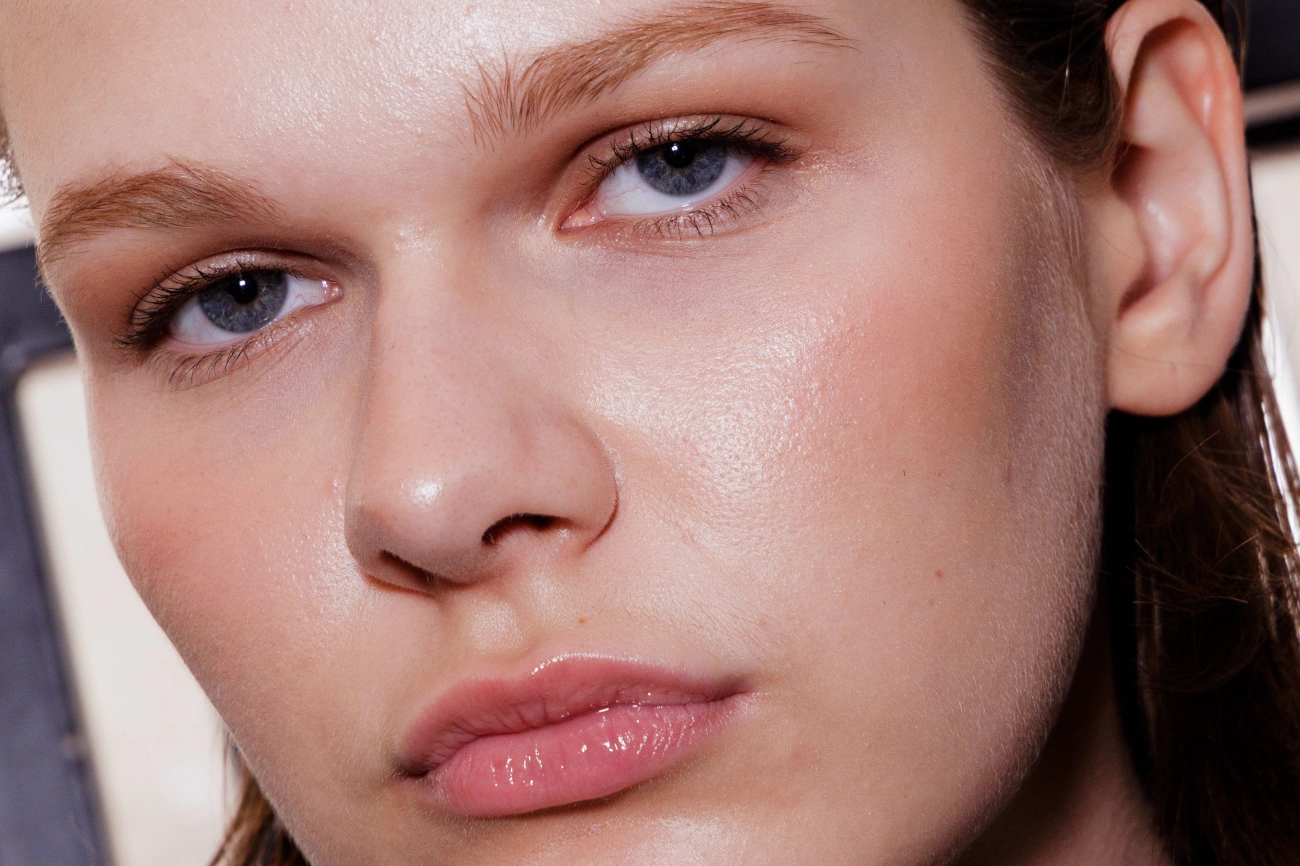
You don’t need a huge budget to get clear skin. These simple, daily habits make a bigger difference than most fancy products.
Hands-Off Habits to Prevent Breakouts
Touching your face is one of the fastest ways to trigger breakouts.
- Stop picking and popping. It pushes bacteria deeper, causes dark marks, and leads to scars.
- Keep your hands busy. Hold a stress ball, fidget toy, or keep tissues nearby when you feel like picking.
- Don’t lean on your hands. Avoid resting your chin or cheek on your palm while working or scrolling.
- No scratching healing pimples. Let them flatten on their own, or use a benzoyl peroxide spot treatment instead.
Hands-off habits are one of the cheapest, most effective clear skin routine upgrades you can make.
Phone, Pillowcase, and Towel Hygiene for Clear Skin
Everyday items collect oil, sweat, and bacteria that end up on your face.
Phone hygiene for skin:
- Wipe your screen daily with alcohol wipes or a microfiber cloth.
- Use headphones or speaker mode when you can to keep your phone off your cheek.
Clean pillowcase for clear skin:
- Change pillowcases 1–2 times a week (more if you have oily or acne-prone skin).
- If you use hair oils or heavy products, flip your pillow over or swap the case more often.
Towels and face cloths:
- Use a separate towel for your face only.
- Wash face towels at least 2–3 times a week.
- Gently pat dry your skin instead of rubbing.
Simple hygiene habits like these help prevent breakouts without buying more skincare.
Hydration Habits for Clear, Glowing Skin
Hydration shows up on your face.
- Aim for steady water intake through the day, not chugging a gallon at night.
- Keep a reusable water bottle nearby at work, school, or in the car.
- Add electrolytes (low-sugar) if you sweat a lot or work out often.
- Eat water-rich foods like cucumber, oranges, berries, melons, and leafy greens.
Well-hydrated skin looks smoother, less dull, and handles active ingredients and gentle exfoliation better.
How Sleep Affects Acne and Skin Repair
Sleep is one of the most underrated acne-free skin habits.
- Aim for 7–9 hours of sleep most nights.
- Try a consistent sleep schedule, even on weekends.
- Avoid heavy, greasy late-night snacks that can worsen oil and inflammation.
- Keep screens out of your face in bed to reduce blue-light exposure and stress.
Your skin does most of its repair work at night. Better sleep = calmer, clearer, more glowing healthy skin over time.
Stress Management to Reduce Breakouts
Stress hormones can spike oil production and flare hormonal acne.
You don’t need a wellness retreat. Simple, free options work:
- Short walks outside (even 10 minutes helps).
- Deep breathing or quick meditation apps.
- Light workouts at home: stretching, yoga, bodyweight moves.
- Cut back on doom-scrolling before bed.
- Set boundaries where you can at work or school.
You can’t remove all stress, but managing it keeps breakouts from getting worse.
Makeup Hygiene: Brushes, Sponges, and Removal
You can wear makeup and still get clear skin—if you keep it acne-safe and clean.
- Look for non-comedogenic, oil-free, or acne-safe makeup formulas.
- Wash brushes and sponges weekly (or more if you’re acne-prone) with gentle soap or brush cleanser.
- Don’t share makeup tools with others.
- Replace beauty sponges every 1–3 months if you use them often.
- Always remove makeup fully at night with a gentle cleanser or double cleanse (oil cleanser + water-based cleanser).
Sleeping in makeup is one of the fastest ways to clog pores and undo your clear skin routine.
Everyday Habits That Quietly Damage Your Skin
A lot of breakouts come from small things we do on autopilot:
- Over-washing your face more than 2x a day.
- Using dirty gym equipment and then touching your face.
- Letting sweat sit on your skin after workouts—rinse or gently cleanse ASAP.
- Wearing tight hats, helmet straps, or masks without cleaning them regularly.
- Overloading on new products every week instead of a minimal skincare routine that’s consistent.
- Skipping moisturizer because you’re oily (you still need a light, non-comedogenic moisturizer).
Dialing in these everyday habits costs almost nothing, but they’re key if you want to get clear skin naturally and keep it that way.
Diet and Nutrition Tips That Support Clear Skin
Diet for Acne‑Prone Skin and Inflammation
If your skin breaks out easily, what you eat can absolutely make it better or worse. I keep it simple:
- Build most meals around:
- Lean protein: chicken, turkey, fish, tofu, beans
- High-fiber carbs: oats, quinoa, brown rice, sweet potatoes
- Healthy fats: avocado, olive oil, nuts, seeds
- Colorful plants: berries, leafy greens, peppers, carrots
- Aim for steady blood sugar, not sugar spikes. This helps calm inflammation and hormones that trigger acne.
Foods That Help You Get Clear, Glowing Skin
I focus on skin-friendly foods that fight inflammation and support the skin barrier:
- Fatty fish (salmon, sardines): omega‑3s help reduce redness and breakouts
- Berries & citrus: vitamin C for collagen and bright, glowing skin
- Leafy greens (spinach, kale, arugula): antioxidants that protect against dullness
- Nuts & seeds (walnuts, chia, flax, pumpkin seeds): healthy fats + zinc for acne control
- Green tea: polyphenols that support clear, calm skin
- Water-rich foods (cucumber, watermelon, oranges): help you hydrate for clear skin
These are easy to work into a normal U.S. diet—think salmon bowl, oatmeal with berries, salad with avocado, or a simple stir-fry.
High‑Glycemic Foods and Breakouts
High‑glycemic foods spike blood sugar fast, which can trigger more oil, more inflammation, and more acne. In the U.S., that usually looks like:
-
High‑glycemic foods to cut back on:
- Sugary drinks (soda, energy drinks, sweet tea, fancy coffee drinks)
- Candy, pastries, donuts, cookies
- White bread, regular pasta, white rice
- Chips, fries, heavily processed snacks
-
Lower‑glycemic swaps for clearer skin:
- Soda → sparkling water with lemon or flavored seltzer
- White bread → 100% whole grain bread
- Regular pasta → whole wheat or chickpea pasta
- Sugary cereal → oatmeal with fruit and nuts
You don’t have to be perfect. Even cutting these high‑glycemic foods in half can help your clear skin routine.
Dairy and Hormonal Acne: What We Know
We don’t have all the answers, but there’s a clear pattern: for some people, dairy makes hormonal acne worse, especially on the lower face and jawline.
What we see most often:
- Milk (especially skim milk) is more linked to acne than cheese or yogurt.
- Some people notice breakouts after protein shakes with whey (whey comes from dairy).
- It doesn’t affect everyone, but if you have stubborn hormonal acne, it’s worth testing.
Smart dairy tweaks:
- Try 2–4 weeks with:
- Cow’s milk → unsweetened almond, oat, or soy milk
- Whey protein → pea or plant-based protein
- Watch your skin, not the marketing. If your skin looks calmer and less bumpy, you’ve got your answer.
Simple Food Swaps for Clearer Skin Over Time
I like practical, low-effort changes that fit a busy U.S. lifestyle:
- Fast food lunch → homemade bowl (rice, chicken, veggies, avocado)
- Afternoon candy → handful of nuts + fruit
- Late‑night ice cream → Greek yogurt with berries (if dairy doesn’t break you out) or frozen fruit
- Sugary coffee drinks → coffee with a splash of milk + cinnamon
- Daily dessert → limit to a few times a week, not every night
These aren’t “diet rules.” They’re clear skin habits that add up.
Supplements That May Support Clear Skin (When Needed)
Food comes first. But if your diet is decent and you still struggle, some evidence-based supplements can help—always clear them with your doctor or dermatologist first:
- Zinc: may help reduce inflammation and breakouts
- Omega‑3 (fish oil): supports calmer, less inflamed skin
- Vitamin D: many Americans are low; deficiency can affect skin and immunity
- Probiotics: may support gut health, which often shows up in skin
Avoid random “clear skin” pills loaded with mystery blends. Stick to simple, single-ingredient supplements with transparent doses.
How to Test If Certain Foods Trigger Your Acne
Instead of guessing, I treat it like a mini experiment:
-
Pick 1–2 suspects
- Common triggers: dairy, sugary drinks, fast food, whey protein, high‑glycemic snacks.
-
Remove them for 3–4 weeks
- Keep your skincare and other habits the same.
- Take before and after photos in the same lighting.
-
Reintroduce 1 item at a time
- Example: bring back milk for 3–5 days and watch for:
- New breakouts in the same areas
- More oiliness or painful bumps
- Example: bring back milk for 3–5 days and watch for:
-
Decide based on your skin, not trends
- If your skin clearly gets worse, you’ve found a trigger.
- If nothing changes, move on and test something else.
This way, your diet becomes part of a clear skin routine that actually fits your life, instead of another stressful “perfect diet” you can’t stick to.
Natural and Gentle Exfoliation Strategies for Clear Skin
What exfoliation does for clear skin
If you want clear, glowing, healthy skin, gentle exfoliation is non-negotiable. Done right, it helps you:
- Remove dead skin cells that clog pores and cause breakouts
- Smooth bumpy texture and fade dullness
- Help acne treatments and moisturizers absorb better
- Reduce the look of dark spots over time
The goal isn’t a “scoured” face. The goal is steady, mild exfoliation that keeps pores clear without wrecking your skin barrier.
Chemical vs physical exfoliation (simple breakdown)
Chemical exfoliation (better for acne-prone skin):
These use acids or enzymes to dissolve dead skin instead of scrubbing.
- Salicylic acid (BHA): Great for oily, acne-prone skin; gets inside pores, helps clear blackheads and whiteheads
- Lactic / mandelic acid (AHA): Gentler; good for sensitive or dry skin, brightens and smooths
- Where to use: In a toner, serum, or cleanser labeled as a chemical exfoliant for acne or gentle exfoliating toner
Physical exfoliation (use with caution):
These use particles, brushes, or cloths to scrub.
- Sugar/salt scrubs, walnut scrubs, rough brushes = too harsh for most faces
- If you really want physical exfoliation, stick to ultra-fine, soft formulas or a very soft washcloth, once in a while
If your goal is acne-free skin habits and skin barrier protection, chemical exfoliants are usually the safer, smarter move.
How often to exfoliate for acne-prone or sensitive skin
More exfoliation does not mean clearer skin faster. Especially for U.S. customers dealing with hard water, AC/heat, and changing seasons, less is usually better.
Use this as a simple guide:
| Skin Type | How Often to Exfoliate | What to Use |
|---|---|---|
| Sensitive / easily red | 1x–2x per week | Mild lactic or mandelic acid |
| Acne-prone, oily | 2x–3x per week | Salicylic acid (BHA) |
| Normal / combination | 2x per week | Gentle AHA/BHA mix |
If your skin stings, peels, or feels tight, cut back right away.
Gentle exfoliation tips that actually work
If you want clear skin fast without wrecking your barrier, keep it simple:
- Start low and slow
- Use a salicylic acid cleanser or mild exfoliating toner 1–2 nights per week
- Patch test first
- Test along the jawline for a few nights before going all in
- Use leave-on products carefully
- A thin layer of a BHA or AHA serum is usually enough
- Skip the harsh combos
- Don’t mix strong exfoliants with retinoids, benzoyl peroxide, and vitamin C all in the same night
- Follow with a non-comedogenic moisturizer
- Look for oil-free moisturizer, “non-comedogenic,” or “acne-safe” on the label
You don’t need a 10-step routine. A minimal skincare routine with smart, gentle exfoliation beats product overload every time.
Signs you’re over-exfoliating and hurting your barrier
If you’re chasing clear skin and instead your face feels worse, you might be tearing up your barrier. Watch for:
- Burning or stinging from basic products
- Constant redness or shiny, tight skin
- More breakouts than usual (especially small, rash-like bumps)
- Dry patches and peeling
- Skin that feels both oily and dehydrated
If you see these, stop all exfoliation, use a simple routine (cleanser + bland, non-comedogenic moisturizer), and let your skin calm down before restarting once a week.
How to pair exfoliation with the rest of your clear skin routine
To keep your daily skincare for clear skin balanced, plug exfoliation into your routine like this:
At night (best time for exfoliation):
- Gentle cleanser – no harsh foaming or stripping
- Chemical exfoliant (on nights you exfoliate) – salicylic acid or a mild AHA
- Hydrating, non-comedogenic moisturizer – to protect your skin barrier
Avoid on exfoliation nights:
- Strong retinoids (unless dermatologist-approved)
- Extra acids, harsh toners, or scrubs
- Strong DIY “natural clear skin remedies” like lemon juice or baking soda (skip these completely)
When you exfoliate, SPF becomes non-negotiable during the day. Exfoliation makes skin more sensitive to the sun, and in the U.S. sun exposure is a huge reason for dark marks, post-acne spots, and early aging.
Keep it simple, keep it gentle, and let consistent, smart exfoliation do the heavy lifting for clearer, smoother skin.
Common Clear Skin Mistakes to Avoid
If you want clear skin fast, avoiding a few common mistakes will speed things up more than adding more products. Here’s what I see mess up most clear skin routines in the U.S.:
Over-Exfoliating and Barrier Damage
Too much exfoliation = angry, red, breakout-prone skin.
- Limit chemical exfoliants for acne (like salicylic or glycolic acid) to 2–3 nights a week max.
- Skip layering multiple acids (toner + serum + peel) in one routine.
- If your skin feels tight, stings, or looks shiny but flaky, your skin barrier is mad—back off and focus on hydration and a simple routine.
Harsh Scrubs, Toners, and Cleansers
A clear skin routine should be gentle, not brutal.
- Avoid gritty scrubs, strong alcohol toners, and foam cleansers that leave your face feeling “squeaky.”
- Look for gentle, pH-balanced cleansers and alcohol-free toners if you use one.
- This keeps your skin barrier protected, which is key for long-term clear, glowing skin.
Product Overload and Constant Switching
More products ≠ better results.
- Stick to a minimal skincare routine: gentle cleanser, treatment (like salicylic acid or benzoyl peroxide), non-comedogenic moisturizer, and SPF.
- Give a new clear skin routine at least 6–8 weeks before judging it.
- Stop buying every TikTok product—consistency beats hype.
Popping Pimples and Picking
Popping feels satisfying, but it’s killing your clear skin goals.
- Picking pushes bacteria deeper, causes scars and dark marks, and spreads breakouts.
- If you absolutely can’t leave it alone, use:
- A benzoyl peroxide spot treatment
- A hydrocolloid pimple patch to protect the area
- Hands-off habits are one of the fastest ways to get clearer skin naturally.
Skipping Moisturizer When You’re Oily or Acne-Prone
Oily skin still needs moisture.
- Use a lightweight, oil-free, non-comedogenic moisturizer.
- When you skip moisturizer, your skin often produces more oil, which can clog pores and cause more acne.
- Hydrated skin = calmer, smoother, less reactive skin.
Forgetting SPF and Causing Dark Marks
No SPF, no long-term clear skin. Period.
- UV damage makes acne scars and dark spots last way longer.
- Use a non-comedogenic, SPF 30+ every morning, even if you’re mostly indoors.
- Look for SPF for acne-prone skin (oil-free, lightweight) so it doesn’t clog pores.
Chasing Overnight Results Instead of Consistency
Clear, acne-free skin comes from habits, not miracles.
- Most products need weeks, not days, to show real change.
- Focus on:
- A simple morning skincare routine
- A steady nighttime skincare routine for acne
- Daily habits that prevent breakouts (clean pillowcases, good makeup removal, low-glycemic foods)
- If you stay consistent, track progress with photos, and don’t panic-switch products, your clear skin routine will actually work.
When to See a Dermatologist for Clear Skin
If you’ve tried simple skincare tips and lifestyle changes and your skin still won’t calm down, it’s time to bring in a pro. In the U.S., a board‑certified dermatologist is your best partner for getting clear skin fast and safely.
Signs Your Acne Needs Professional Help
See a dermatologist if you notice any of this:
- Painful, deep bumps (cystic acne) that never come to a head
- Nodules or cysts on jawline, cheeks, back, or chest
- Frequent breakouts that don’t improve after 2–3 months of a solid clear skin routine
- Scarring or dark spots forming after pimples heal
- Bleeding, crusting, or infections from picking or popping
- Acne making you avoid photos, dates, or work events
- Breakouts triggered by hormones, like around your period or along the jawline
If you’re not sure, use this rule:
If your skin hurts, scars, or stresses you out daily, don’t wait—book a derm.
Scarring, Pain, and Cystic Acne = Don’t Wait
Cystic and nodular acne rarely clear with over-the-counter products alone. They:
- Sit deep under the skin
- Are often hormonal
- Can leave permanent scars and dark marks
Early treatment here is everything. A dermatologist can:
- Calm inflammation fast
- Stop new cysts from forming
- Prevent long‑term texture and scarring
How Dermatologists Customize a Clear Skin Routine
Dermatologists build a minimal, effective, evidence‑based routine around your:
- Skin type: oily, combo, dry, sensitive
- Acne type: blackheads, whiteheads, hormonal, cystic
- Lifestyle: gym, makeup, work schedule, budget
- Current products: they’ll tell you what to keep, ditch, or replace
Expect them to suggest:
- A simple AM/PM routine you can actually stick to
- Non‑comedogenic products that won’t clog pores
- The right chemical exfoliant for acne (like salicylic acid or adapalene)
- Clear rules on what to use daily vs. only as spot treatments
Prescription Options That Actually Work Long-Term
If you want to move beyond “just trying stuff from Target,” prescriptions can change the game. Common dermatologist‑approved options in the U.S. include:
-
Topicals (applied on skin):
- Adapalene, tretinoin, tazarotene (vitamin A/retinoids) for clogged pores, texture, and acne scars
- Topical antibiotics (like clindamycin) paired with benzoyl peroxide to reduce bacteria
- Azelaic acid for acne + dark spots and redness
-
Oral meds (by mouth):
- Antibiotics (short term) for inflamed breakouts
- Birth control pills or spironolactone for hormonal acne
- Isotretinoin (Accutane) for severe or cystic acne that won’t respond to anything else
These are not quick hacks. They’re long-term, science-backed solutions that, when monitored by a derm, can lead to truly clear, stable skin.
What to Expect at a Dermatologist Appointment
A dermatologist visit in the U.S. is pretty straightforward:
-
Intake + history
- Your medical history
- What you’ve tried (products, facials, natural clear skin remedies, supplements)
- Your diet, stress, sleep, and cycle patterns if hormonal acne is suspected
-
Skin exam
- They’ll look at your face (and sometimes chest/back)
- They’ll identify acne type, scarring, and any other skin conditions
-
Clear plan of action
- Simple daily skincare for clear skin (cleanser, treatment, moisturizer, SPF)
- Any prescriptions plus how to use them without wrecking your skin barrier
- Guidance on habits: makeup, sweating, shaving, sports, pillowcases
-
Follow‑up timeline
- Typically every 6–12 weeks at first
- They’ll tweak your routine based on how your skin responds (and what your life/budget looks like)
If you’re serious about getting clear skin naturally and with smart medical support, a dermatologist is not a last resort—it’s one of the fastest, most reliable steps you can take.
Realistic Timeline for Clear Skin
Getting clear skin fast is the dream, but in real life, skin changes happen slow and steady. If you’re starting a new clear skin routine, this is what most people in the U.S. can realistically expect:
-
Weeks 1–2:
- Skin may feel cleaner and less greasy.
- You might see a few new breakouts (often skin purging, not failure).
- Focus on consistency, not results yet.
-
Weeks 3–4:
- Small whiteheads and blackheads start to decrease.
- Texture can look a bit smoother.
- Red marks from old acne are still there, but new breakouts should be less intense.
-
Weeks 6–8:
- This is when a simple skincare routine really starts to pay off.
- Fewer active pimples, less painful acne, more even tone.
- If there’s zero improvement, it’s time to tweak products or see a dermatologist.
-
3–6 months:
- You’ll see your true baseline with your new routine and habits.
- Dark marks fade slowly, acne becomes easier to control.
- This is where long-term acne-free skin habits matter more than any one product.
Track Progress: Photos and a Simple Skin Journal
To know what’s actually working, you need proof, not vibes.
How to use photos
- Take clear, natural-light photos:
- Same place, same time of day, same angles (front, left, right).
- Do it once a week, not every day.
- Compare month-to-month, not day-to-day. That’s where real progress shows.
How to use a skin journal
Use your Notes app, Google Sheets, or a small notebook:
Track daily or every few days:
- Products you used (especially any new product)
- Breakouts: where, how painful, how many
- Period / hormone changes (for hormonal acne tips)
- Sleep hours
- Stress level (1–10)
- Foods that cause acne for you (dairy, sugar, fast food, etc.)
You’ll start to see patterns like:
- “Every time I sleep 4 hours, I break out on my chin.”
- “New serum + no new breakouts = probably safe.”
- “Ice cream on weekends = forehead pimples on Monday.”
Adjusting Products and Habits Based on Results
Don’t switch everything at once. Adjust one thing at a time so you know what’s working.
If your skin is getting worse after 6–8 weeks:
- Check if you’re:
- Over-exfoliating
- Using harsh cleansers
- Skipping moisturizer or SPF
- Scale back to a minimal skincare routine:
- Gentle cleanser
- Non-comedogenic moisturizer
- SPF in the morning
- One active (like salicylic acid or benzoyl peroxide), used slowly
If your skin is slowly improving:
- Don’t change too much.
- You can:
- Add gentle exfoliation 1–2x a week
- Test one new product at a time for at least 2 weeks
If you’re stuck with painful or cystic acne:
- That’s when dermatologist-approved tips and prescriptions beat DIY.
- Cystic acne usually needs professional treatment, not just natural clear skin remedies.
Staying Patient and Motivated
Clear, glowing, healthy skin comes from consistency, not perfection.
Use these to stay locked in:
- Set real goals:
- “Fewer painful pimples in 3 months” is better than “perfect skin in 2 weeks.”
- Celebrate small wins:
- Less redness
- Fewer new breakouts
- Makeup sitting smoother
- Avoid the comparison trap:
- Everyone’s skin, hormones, and lifestyle are different.
- What worked for a TikTok influencer in L.A. might not match your climate, diet, or stress.
If you keep a simple, evidence-based, daily skincare for clear skin, protect your skin barrier, stay hydrated, manage stress, and give it real time, your odds of getting clear skin naturally (or close to it) go way up.