
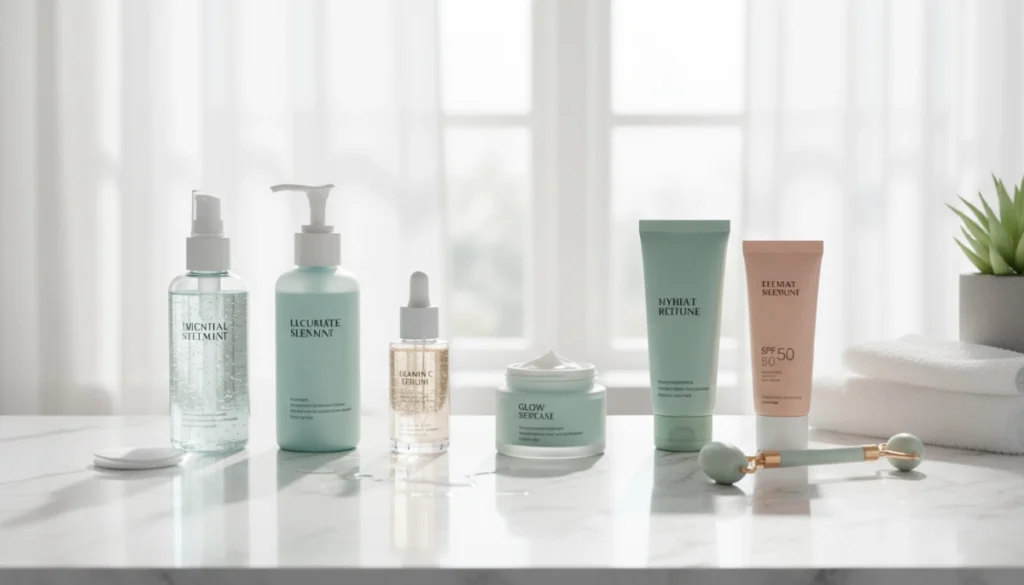
If you’ve been hopping from trend to trend trying to get glowing, healthy skin—but still feel stuck with dullness, dryness, or random breakouts—you’re not alone.
The truth? You don’t need a 12-step routine or the latest viral product. You need a simple, science-backed skincare routine that actually works for your skin and protects it for the long haul.
In this guide, you’ll get a clear, no-fluff breakdown of the ultimate skincare routine for glowing and healthy skin in 2026:
- The exact morning and night skincare steps that matter
- How to customize your routine for all skin types
- The key actives (like vitamin C, gentle exfoliation, and hydrating skincare) that deliver real radiance
- Why skin barrier repair and daily sunscreen are non‑negotiable if you want lasting glow
And throughout, we’ll keep it practical and realistic—powered by megapickly’s clean, effective approach, not hype.
Ready to build a routine that makes your skin look lit from within and stay healthy for years, not just weeks? Let’s get into it.
Understanding Glowing, Healthy Skin
You want glowing skin—not greasy, not dull, not “makeup only” glow, but real, healthy radiance that looks good even on no-makeup days. Let’s get super clear on what that actually means before we build any daily skincare routine for glowing skin.
Glowing vs. Shiny Skin
Glowing skin:
- Looks bright, even, and smooth
- Has a soft, hydrated sheen, not oil slick
- Feels comfortable, not tight or greasy
- Reflects light naturally because the surface is smooth and well-moisturized
Shiny skin:
- Often caused by excess oil, not true hydration
- Can look greasy or slick, especially in the T‑zone
- May come with clogged pores, blackheads, or breakouts
- Light bounces off in a harsh, reflective way, not a soft glow
When I talk about a glowing complexion, I mean skin that’s balanced, calm, and well-supported—not just shiny from oil or highlighter.
Key Factors of Healthy, Radiant Skin
Healthy, radiant skin comes down to a few core pillars. Any effective skincare routine for all skin types should protect these:
-
Skin Barrier
- Your barrier is the outermost layer that keeps moisture in and irritants out.
- When it’s healthy, skin feels soft, supple, and stable (not burning, stinging, or flaky).
- Barrier-friendly routines use gentle cleansers, barrier repair creams, ceramides, fatty acids, and niacinamide.
-
Hydration
- Hydrated skin is plump, dewy, and bouncy.
- It comes from:
- Water in the skin (helped by ingredients like hyaluronic acid, glycerin, aloe)
- Moisture lock (moisturizers and oils that prevent water loss)
- A hydrating skincare routine for glow focuses on light, layerable hydration in both your AM and PM skincare steps.
-
Protection
- The best routine for healthy, radiant skin always includes daily sunscreen.
- A broad-spectrum SPF 30+ protects against:
- Dark spots and uneven skin tone
- Fine lines and loss of firmness
- Dullness from UV damage
- I always position non-comedogenic sunscreen for face as non-negotiable if you want true long-term glow.
-
Cell Turnover
- This is your skin’s natural process of shedding old, dull cells and bringing fresh, new ones to the surface.
- When turnover slows, skin looks rough, gray, and tired.
- Gentle support with AHA/BHA exfoliation routines, retinol, and enzyme exfoliants helps smooth texture and brighten tone—without over-stripping.
Common Causes of Dull, Tired-Looking Skin
If your skin looks flat, gray, or “blah” no matter what makeup you use, it’s usually one (or several) of these:
- Over-washing or harsh cleansers
- Stripping the barrier → tight, dehydrated, dull skin
- Skipping moisturizer
- Even oily skin needs lightweight, non-comedogenic hydration to look plump and healthy.
- No sunscreen
- UV damage slowly destroys glow, causing uneven tone, rough texture, and faster aging.
- Over-exfoliating
- Too many peels, scrubs, or strong acids → red, reactive, flaky instead of radiant.
- Lack of exfoliation
- Never exfoliating at all → buildup of dead cells, makeup sits badly, skin looks gray.
- Chronic dehydration
- Not enough water, hydrating serums, or barrier support → crepey, tired-looking skin.
- Lifestyle stressors
- Poor sleep, high stress, smoking, excess alcohol, ultra-processed foods all reduce circulation and repair, stealing your natural glow.
When you understand these basics—barrier, hydration, protection, and turnover—you can build a simple, dermatologist-approved skincare routine that supports long-term, glowing skin instead of chasing quick, temporary shine.
Know Your Skin Type First

If you want a real daily skincare routine for glowing skin, you have to know your skin type first. Otherwise, you’re just guessing and wasting money.
How to tell if your skin is dry, oily, combo, sensitive, or acne-prone
Use this as a quick at-home test (bare face, no products, after cleansing):
1. The “bare-face” test (after 30–60 minutes):
- Dry skin
- Feels tight, rough, maybe flaky
- Fine lines look more visible
- Looks dull, not dewy
- Oily skin
- Shiny all over (especially T-zone)
- Makeup slides off fast
- Larger-looking pores on nose, forehead, chin
- Combination skin
- Oily T-zone (forehead, nose, chin)
- Normal or dry cheeks
- Breakouts mostly in T-zone
- Sensitive skin
- Easily gets red, itchy, or burning
- Reacts to fragrance, harsh exfoliants, or weather changes
- Stings with “strong” serums a lot
- Acne-prone skin
- Regular whiteheads, blackheads, or cystic breakouts
- Scarring or dark marks that linger
- Can be oily, combo, or even dry at the same time
You can also blot with a tissue or oil blotting paper after an hour:
- No oil + tight = likely dry
- Oil all over = oily
- Oil only in T-zone = combo
Why skin type matters for glow and long-term skin health
Your best routine for healthy radiant skin depends on your skin type:
- Dry skin: Needs hydrating skincare for glow — creamy cleansers, richer moisturizer for plump healthy skin, overnight mask for dewy skin.
- Oily/acne-prone skin: Needs lightweight, non-comedogenic formulas, niacinamide for even skin tone, gentle exfoliation for bright skin, and non-comedogenic sunscreen for face.
- Combination skin: Needs a mixed approach — gel textures in the T-zone, more moisture on dry areas.
- Sensitive skin: Needs fragrance-free skincare, non-irritating exfoliants for beginners, barrier repair cream for sensitive skin, and a simple skincare routine for beginners.
When you match your AM and PM skincare routine to your skin type, you get:
- Less irritation and fewer breakouts
- Better glow from consistent skincare habits
- Stronger skin barrier, so actives like vitamin C serum for radiance or a retinol routine for smooth skin actually work instead of just burning
Simple signs and tests to identify your skin type
Use this step-by-step skincare guide style checklist:
-
After shower test
- Feels tight right away → more dry
- Feels fine, a little shine later → normal to combo
- Shiny fast → oily
-
Makeup test
- Foundation looks flaky or patchy → dry
- Foundation melts or separates by mid-day → oily
- Looks good in some areas, off in others → combo
-
Product reaction test
- Burns or turns red easily with vitamin C, AHA BHA exfoliation routine, or retinol → sensitive
- Breaks out from many products (even “clean beauty skincare”) → acne-prone, barrier may be weak
Once you know your skin type, you can build a simple, dermatologist-approved skincare routine that actually fits you — from double cleansing for clear skin to sunscreen for glowing complexion and long-term anti-aging glowing skin results.
Core principles of an effective skincare routine
When I build a daily skincare routine for glowing skin, I always stick to a few non‑negotiable rules. These core principles matter more than any “miracle” product.
Consistency over complicated routines
You don’t need a 12-step glass skin skincare routine. You need a simple skincare routine for beginners that you actually follow every day.
- Aim for 3–5 steps in the morning and at night.
- Use products that fit your skin type and lifestyle.
- Stay consistent for at least 6–8 weeks before judging results.
A consistent skincare routine for all skin types will always beat a trendy, overstuffed one.
Correct order of skincare steps (thinnest to thickest)
Layering the right way helps each product actually work. For a basic AM and PM skincare routine, go from water-based to oil-based:
- Cleanser (or double cleansing at night)
- Toner or hydrating essence
- Serums (vitamin C, niacinamide, hydrating serums for glowing skin)
- Moisturizer for plump, healthy skin
- Sunscreen for glowing complexion (AM only, SPF 30+ non‑comedogenic)
Rule of thumb: if you’re unsure, apply from thinnest to thickest texture.
How to patch test new skincare products
Before adding anything new—especially retinol, AHA/BHA exfoliants, or a strong brightening skincare product—I always patch test. It’s the simplest skin barrier repair routine insurance.
- Apply a small amount to one area: side of neck, behind ear, or along the jawline.
- Use it in that spot once a day for 3 days.
- Watch for burning, intense redness, or rash.
If your skin stays calm, you’re likely good to go for full‑face use.
How to slowly introduce active ingredients
Actives like retinol, AHA/BHA exfoliation, or strong vitamin C serum for radiance can transform skin—but only if you go slow.
- Start 2 nights a week, not daily.
- Avoid layering too many strong actives on the same night (for example, don’t stack retinol + strong AHA/BHA at first).
- Follow with a barrier repair cream for sensitive skin or a rich moisturizer.
Once your skin tolerates it, you can follow a skin cycling for glow approach: exfoliation night, retinol night, then 1–2 recovery nights.
Listening to your skin and adjusting your routine
Healthy, radiant skin comes from paying attention and adjusting—not forcing a perfect routine.
- Tight, burning, or stinging? Scale back actives and focus on hydrating skincare for glow and barrier-repair products.
- New breakouts? Check if something is clogging pores and switch to non‑comedogenic formulas.
- Flaky or rough? Cut down on exfoliation and add a richer overnight mask for dewy skin or hydrating toner.
The best routine for healthy, radiant skin is flexible. Let your skin tell you what’s working, then tweak your morning and night skincare steps based on that feedback.
Morning Skincare Routine for Glowing Skin
Why Your AM Routine Matters
Your daily skincare routine for glowing skin starts in the morning. What you do before you leave the house decides:
- How fresh and dewy you look all day
- How well you protect your skin from sun, pollution, and blue light
- How smooth your makeup goes on (or how good your bare skin looks)
In the U.S., we’re exposed to strong UV, AC, and screen time nonstop. A solid AM skincare routine is non‑negotiable if you want long‑term, healthy, radiant skin.
Step 1: Gentle Cleanser for a Fresh Start
In the morning, skip harsh face washes. You want gentle cleansing, not stripping.
Look for:
- Low‑pH, sulfate‑free gel or cream cleanser
- Labels like “gentle,” “hydrating,” “non‑stripping,” “for sensitive skin”
- If you’re dry or sensitive: a milk/cream cleanser
- If you’re oily or acne‑prone: a light gel cleanser that’s non‑comedogenic
Goal: remove sweat, oil, and leftover products while keeping your skin barrier calm and happy.
Step 2: Hydrating Toner or Essence to Balance and Prep
A hydrating toner for glowing skin or a lightweight essence helps your skin drink up everything you apply next.
Choose formulas with:
- Hyaluronic acid, glycerin, aloe, panthenol
- Alcohol‑free, fragrance‑free if you’re sensitive
Pat it in with your hands (no need for cotton pads in the morning). Skin should feel bouncy, not tight.
Step 3: Antioxidant Serum (Vitamin C) for Radiance and Defense
This is your glow + protection step. A vitamin C serum for radiance and other antioxidants help:
- Brighten dull, uneven tone
- Fight free‑radical damage from sun, pollution, and city air
- Boost the effects of your SPF
Look for:
- Vitamin C (L‑ascorbic acid or stable vitamin C derivatives)
- Extras like vitamin E, ferulic acid, green tea, or resveratrol
If your skin is sensitive, start with vitamin C 2–3 mornings a week, then build up.
Step 4: Targeted Treatments for Extra Glow
Layer thin, water‑based serums next. Choose based on your skin type and goals:
- Hyaluronic acid – for hydrating skincare for glow, plump, dewy skin
- Niacinamide – for even skin tone, less redness, and smoother pores
- Brightening serums (like gentle AHA, azelaic acid, or licorice) – for dark spots and uneven tone
Keep it simple:
- 1–2 serums max in the morning
- Apply from thinnest to thickest texture
Step 5: Lightweight Moisturizer for Plump, Healthy Skin
A moisturizer for plump, healthy skin locks everything in without feeling heavy—especially in U.S. climates where AC runs all day.
Pick based on skin type:
- Dry skin: light cream with ceramides, squalane, fatty acids
- Oily/acne‑prone: oil‑free gel cream, labeled non‑comedogenic
- Combo: gel on the T‑zone, cream on drier areas
Your skin should feel comfortable, not greasy.
Step 6: Broad-Spectrum Sunscreen for Glowing, Protected Skin
This is the non‑negotiable step in any morning and night skincare steps guide: for day, you must use broad‑spectrum sunscreen.
Look for:
- SPF 30 or higher for daily use (ideally SPF 50 if you’re outdoors)
- Broad‑spectrum (UVA + UVB protection)
- Non‑comedogenic sunscreen for face
- Texture that fits your skin:
- Gel or fluid for oily skin
- Cream or lotion for dry skin
- Mineral/physical if you’re sensitive
Apply:
- ¼ teaspoon for face, more for neck and ears
- Every 2 hours if you’re in the sun, sweating, or outdoors a lot
Sunscreen is what keeps your glowing complexion from turning into sun damage, dark spots, and early lines. If you want long‑term glow in the U.S. sun, this is the step you never skip.
A consistent AM and PM skincare routine built around these steps is the best routine for healthy, radiant skin—simple, effective, and realistic for everyday life.
Evening Skincare Routine for Repair and Glow
A smart evening skincare routine for glowing skin is where the real repair happens. At night, your skin isn’t fighting UV, pollution, or makeup, so it can focus on healing, rebuilding collagen, and restoring your barrier. I treat my PM routine as non‑negotiable—this is where you get that long-term, healthy glow.
Why nighttime is the best time for repair
At night, your skin:
- Boosts cell turnover
- Repairs barrier damage from the day
- Responds better to treatment actives like retinol and peptides
If you want healthy, radiant skin long-term, your PM skincare steps matter just as much as sunscreen in the morning.
Double cleansing for a clean slate
A solid double cleansing for clear skin routine prevents clogged pores and dullness:
- First cleanse – An oil or balm cleanser to melt sunscreen, foundation, and waterproof makeup.
- Second cleanse – A gentle, non-stripping gel or cream cleanser to actually clean your skin.
I always recommend fragrance-free, non-drying formulas, especially for sensitive or acne-prone skin. This keeps the barrier calm while still getting that deep clean.
Gentle exfoliation 2–3x per week
To keep skin bright without wrecking your barrier, stick to gentle exfoliation for bright skin:
- 2–3 nights a week max for most people
- Look for AHA/BHA exfoliation routines with lactic acid, mandelic acid, or low-dose salicylic acid
- Skip harsh scrubs; if you use a physical exfoliator, make sure it feels smooth, not gritty
If your skin stings, peels, or turns red easily, cut back to once a week or switch to an enzyme exfoliator.
Nighttime treatment actives (retinol, peptides, barrier repair)
Your PM routine is the best time to use targeted nighttime treatment actives:
- Retinol / Retinoids – For smoother texture, fewer breakouts, and anti-aging. Start 1–2 nights a week and slowly build up.
- Peptide serums – Great for firming and supporting collagen without irritation.
- Barrier repair treatments – Ceramides, cholesterol, fatty acids, and niacinamide help calm, smooth, and strengthen stressed skin.
If you’re a beginner, try skin cycling for glow (exfoliation one night, retinol another, then barrier repair nights) instead of layering everything at once.
Hydrating serums and essences for overnight moisture
To wake up dewy, layer hydrating serums for glowing skin after actives (or on off nights):
- Hyaluronic acid – Pulls in moisture for a plump look
- Glycerin + Panthenol – Simple, barrier-friendly hydration
- Hydrating toner or essence – Thin, watery layers that soak in fast and boost that “glass skin” effect
I like light, alcohol-free, fragrance-free formulas that work for all skin types, from dry to oily.
Rich moisturizers and sleeping masks
Lock everything in with a moisturizer for plump, healthy skin:
- Dry or mature skin: Go for a rich cream with ceramides, shea butter, or squalane.
- Oily or acne-prone skin: Use a light gel-cream, still with barrier-supporting ingredients.
A couple nights a week, swap your regular cream for an overnight mask for dewy skin. These are perfect for:
- After flights or cold weather
- When your skin feels tight, irritated, or over-exfoliated
Eye care for the delicate under-eye area
The under-eye area is thinner and shows fatigue fast. For simple eye care at night:
- Tap on a gentle eye cream or gel with caffeine, peptides, or hyaluronic acid
- Avoid strong retinols or acids too close to the lash line if you’re sensitive
- Use your ring finger and pat, don’t rub
A consistent AM and PM skincare routine—with cleansing, smart actives, hydration, and barrier repair—keeps your skin glowing, calm, and healthy without needing a 10-step routine.
Weekly Add-Ons and Glow Boosters
Weekly glow boosters are where your daily skincare routine for glowing skin gets that extra edge—without wrecking your barrier.
Hydrating and Brightening Face Masks
I like to treat masks as a “reset button” for dull, tired-looking skin.
Great options for a hydrating skincare for glow routine:
- Hydrating masks (2–3x/week)
- Look for: hyaluronic acid, glycerin, aloe, panthenol, ceramides
- Best for: dry, combo, sensitive skin
- Brightening masks (1–2x/week)
- Look for: vitamin C, niacinamide, licorice root, azelaic acid, tranexamic acid
- Best for: uneven skin tone, post-acne marks
Quick tip: If you have sensitive skin, go for fragrance-free cream or gel masks and rinse them off earlier than the label suggests the first time you try them.
Gentle Enzyme or Physical Exfoliators
Think of exfoliation as a “polish,” not a scrub-down.
For gentle exfoliation for bright skin:
- Enzyme exfoliators (papaya, pumpkin, pineapple):
- 1–2x/week, great for beginners and sensitive skin
- Very fine physical exfoliators (powder or gel with micro-fine beads):
- 1x/week max, avoid if you’re using strong acids or retinol
- Skip anything that feels scratchy (walnut shells, large particles). If it stings or leaves you red, it’s too much.
Pair exfoliation with a barrier repair cream or rich moisturizer after to keep the skin calm.
Facial Massage and Gua Sha for Glowing Skin
You don’t need a spa to get circulation going—facial massage for glowing skin is easy at home.
- Use a face oil or slippery serum so tools don’t drag
- Focus on gentle, upward, and outward strokes
- Gua sha for face circulation:
- 3–5 minutes, 2–4x/week
- Helps de-puff, especially around jawline and under eyes
- Avoid if you have active cystic acne or rosacea flares—stick to hands-only light massage.
How Often to Use Glow Boosters Safely
To keep your skin barrier repair routine on track, not destroyed:
- Hydrating masks: up to 3x/week
- Brightening or exfoliating masks: 1–2x/week
- Enzyme or physical exfoliators: 1–2x/week (never on the same day as strong AHA/BHA or retinol)
- Facial massage / gua sha: a few times a week, or before events for a quick dewy look
Simple rule for a best routine for healthy radiant skin:
If your skin feels tight, stingy, or looks extra red, pull back the glow boosters, go back to basics (cleanser, moisturizer, SPF 30 for daily use), and let your barrier recover.
Personalizing your skincare routine by skin type
Your daily skincare routine for glowing skin has to match your skin type. Same steps, different textures and actives.
Glowing skincare routine for dry skin
Dry skin needs hydration + barrier repair all day.
AM routine (simple):
- Gentle creamy cleanser or just water
- Hydrating toner or essence (no alcohol)
- Hyaluronic acid serum + glycerin for moisture
- Ceramide or fatty-acid moisturizer for plump, healthy skin
- SPF 30+ moisturizing sunscreen for glowing complexion
PM routine (repair):
- Cream or milk cleanser
- Hydrating serum (hyaluronic acid, panthenol, aloe)
- Barrier repair cream with ceramides, cholesterol, squalane
- 1–2x/week: overnight mask for dewy skin
Actives:
- Use low-strength lactic acid 1x/week max
- Start retinol 1–2x/week mixed with moisturizer
Glowing skincare routine for oily and acne-prone skin
Oily and acne-prone skin needs lightweight hydration + pore control, not stripping.
AM routine:
- Gel or foam non‑drying cleanser
- Hydrating toner (no strong alcohol)
- Niacinamide serum for oil control + even tone
- Lightweight oil-free moisturizer
- Non‑comedogenic sunscreen for face, SPF 30+ (gel or fluid)
PM routine:
- Double cleansing for clear skin if you wear makeup/SPF
- Treatment serum:
- BHA (salicylic acid) 2–3x/week for clogged pores
- Or retinol routine for smooth skin at night
- Light gel cream moisturizer
Actives:
- AHA BHA exfoliation routine: BHA > AHA for acne-prone
- Skip thick creams; use non‑comedogenic, fragrance-free products
Glowing skincare routine for combination skin
Combo skin = oily T‑zone, drier cheeks. You can treat different zones differently.
AM routine:
- Gentle gel cleanser
- Hydrating toner all over
- Vitamin C serum for radiance on full face
- Light lotion on T‑zone, richer cream on dry areas
- SPF 30 for daily use
PM routine:
- Double cleanse if you wear makeup/SPF
- Niacinamide for balance + pores
- Optional:
- BHA on T‑zone
- Extra moisturizer on cheeks
- Simple cream to lock it in
Actives:
- Rotate actives (skin cycling for glow) instead of stacking
- Use exfoliating acids on oilier areas only, 1–2x/week
Glowing skincare routine for sensitive or reactive skin
Sensitive skin needs minimal ingredients, soft textures, and no drama.
AM routine:
- Very gentle, fragrance-free cleanser or rinse
- Hydrating toner for glowing skin (no alcohol, no strong acids)
- Simple niacinamide for even skin tone (2–5%, not higher)
- Barrier repair cream for sensitive skin
- Mineral sunscreen (zinc-based), SPF 30+
PM routine:
- Creamy, low-foam cleanser
- Skin barrier repair routine:
- Serum with panthenol, centella, or oat
- Rich ceramide moisturizer
Actives:
- Avoid strong AHA/BHA and high-strength retinol at first
- If you try retinol, use low dose 1x/week, over moisturizer
- Choose fragrance-free, dermatologist-approved skincare routine products
Adjusting actives, textures, and frequency
Here’s how I look at it when building a simple skincare routine for beginners that still gives a healthy, radiant glow:
-
Dry skin:
- Textures: creams, balms, milky toners
- Actives: gentle AHA, low retinol, lots of hydrators
- Frequency: fewer actives, more layering of moisture
-
Oily/acne-prone:
- Textures: gels, light lotions, fluids
- Actives: BHA, niacinamide, retinol
- Frequency: BHA 2–3x/week, retinol 2–3x/week as tolerated
-
Combination:
- Textures: mix gels and creams by area
- Actives: spot treat oily zones, hydrate dry zones
- Frequency: moderate actives, targeted use
-
Sensitive:
- Textures: soft creams, minimal foaming
- Actives: low-dose niacinamide, soothing ingredients
- Frequency: introduce 1 new product every 2 weeks, actives 1x/week
When in doubt, go gentler, go slower, and protect your barrier. That’s what keeps your glow long-term.
Skin Barrier Repair for Lasting Glow
When your barrier is healthy, you get that steady, natural glow. When it’s damaged, everything feels off—no skincare routine for glowing skin will work well until you fix it.
What a damaged barrier looks and feels like
If your skin barrier is angry, you’ll usually notice:
- Tight, dry, or “paper-like” skin
- Burning or stinging from products that used to feel fine
- Redness, blotchiness, or rough patches
- More breakouts or small bumps than usual
- Oily and dehydrated at the same time
If your skincare routine suddenly stops working and your glow is gone, assume the barrier needs a reset.
Barrier-friendly ingredients for healthy, glowing skin
When I build a skin barrier repair routine for lasting glow, I keep it simple and focus on:
- Ceramides – Rebuild the skin barrier “bricks and mortar”
- Niacinamide (2–5%) – Calms redness, supports barrier, helps with tone
- Fatty acids & lipids (shea butter, squalane, sunflower seed oil) – Lock in moisture
- Hyaluronic acid & glycerin – Pull in water for plump, dewy skin
- Panthenol (Vitamin B5), aloe, centella – Soothe irritation fast
These are the backbone of a skin barrier repair routine and fit easily into any simple skincare routine for beginners or advanced users.
How to reset your routine when skin is irritated
If your skin feels hot, red, or raw, hit pause on the “fun” stuff:
- Stop immediately: retinol, AHAs/BHAs, scrubs, strong vitamin C, clay masks
- Strip back to basics: gentle cleanser + hydrating moisturizer + non-comedogenic sunscreen for face (SPF 30 or higher)
- Avoid fragrance and alcohol-heavy products
- Limit cleansing to 2x/day max, lukewarm water only
- No new products for at least 1–2 weeks
This reset lets your skin calm down so your daily skincare routine for glowing skin can actually work again.
Simple barrier repair routine for stressed skin (AM + PM)
Here’s a quick, barrier-first morning and night skincare steps layout you can follow at home:
AM – Barrier-safe glow
- Gentle, hydrating cleanser (or just rinse with water if very dry/sensitive)
- Hydrating toner or essence with glycerin or hyaluronic acid
- Niacinamide serum (low strength, barrier-safe)
- Moisturizer for plump, healthy skin with ceramides + fatty acids
- Broad-spectrum SPF 30+ – everyday, even if you work indoors
PM – Repair while you sleep
- Mild cleanser (no stripping foams)
- Hydrating serum (hyaluronic acid, panthenol, or centella)
- Barrier repair cream with ceramides, cholesterol, and fatty acids
- Optional overnight mask 2–3x/week for extra dewy, “glass skin” vibe
Stick to this skin barrier repair routine for at least 2–4 weeks. Once your skin feels calm, soft, and less reactive, you can slowly bring back retinol, AHA/BHA exfoliation, and brightening skincare products—but the barrier always comes first if you want a long-term, healthy, radiant glow.
Lifestyle habits for healthy, radiant skin
Your skincare products can only do so much. Daily lifestyle habits are what keep your skin glowing long-term.
Hydration from within for dewy, plump skin
If you want dewy, glass-like skin, you have to start with water.
- Aim for 60–80 oz of water a day (more if you’re very active or in hot climates).
- Add electrolytes (no-sugar or low-sugar) if you work out or sweat a lot.
- Keep a refillable water bottle at your desk, in your car, or in your bag so “hydrating skincare for glow” starts from the inside.
- Limit sugary drinks and sodas – they spike blood sugar and can trigger dullness and breakouts.
Foods that support glowing, healthy skin
A daily skincare routine for glowing skin works better when your meals help, not fight, your routine.
Focus on:
- Healthy fats: salmon, tuna, sardines, walnuts, chia, avocado – support the skin barrier and moisture.
- Antioxidant-rich foods: berries, oranges, leafy greens, tomatoes, bell peppers – protect against skin damage like an internal antioxidant serum.
- Protein: eggs, chicken, tofu, beans, Greek yogurt – supports collagen and repair for firm, radiant skin.
- High-fiber carbs: oats, quinoa, sweet potatoes, brown rice – better blood sugar balance, fewer sudden breakouts.
Try to keep ultra-processed foods, fast food, and high-sugar desserts as “sometimes” options, not daily habits.
Sleep, stress, and exercise for skin repair and circulation
Your AM and PM skincare routine hits different when your lifestyle supports it.
Sleep (skin’s prime repair time):
- Aim for 7–9 hours of real sleep, not just time in bed.
- Keep a consistent sleep schedule (even on weekends) to support your skin’s natural repair cycle.
- Use your retinol routine, hydrating serums, and barrier repair creams at night when your skin is in recovery mode.
Stress:
- High stress = more inflammation, breakouts, dullness.
- Build simple daily stress breaks:
- 5–10 minutes of deep breathing or meditation
- Short walks outside between Zoom calls
- Boundaries with late-night work and doom-scrolling
Exercise:
- Regular movement boosts circulation and that natural “post-workout glow.”
- Aim for 3–5 days/week of movement you’ll actually do: walking, strength training, pilates, cycling, etc.
- Always cleanse and use gentle skincare after sweating to avoid clogged pores and breakouts.
Habits that dull your glow (and how to quit them)
Some habits undo even the best routine for healthy, radiant skin:
-
Smoking (including vaping)
- Reduces blood flow, breaks down collagen, speeds up wrinkles and dullness.
- If you’re trying to quit, talk to your doctor and lean on support (apps, hotlines, nicotine replacements).
-
Excess alcohol
- Dehydrates skin, worsens redness, triggers puffiness and dull tone.
- Set a weekly limit and follow each drink with a full glass of water.
-
Poor cleansing habits
- Sleeping in makeup or sunscreen = clogged pores, rough texture, breakouts.
- At night, use a double cleansing routine (oil/balm + gentle cleanser) for clear, glowing skin.
- In the morning, a simple, gentle cleanse is enough for most skin types in the U.S. climate.
-
Touching or picking your face
- Spreads bacteria, causes dark spots and scars that take months to fade.
- Keep your hands busy, use pimple patches, and let your brightening skincare products and niacinamide do the work.
Dial in these lifestyle habits, and your daily skincare routine for glowing skin works faster, looks better, and gives you results that actually last.
Common Skincare Mistakes That Kill Your Glow
Even the best daily skincare routine for glowing skin can backfire if you’re making these common mistakes. If your skin looks dull, irritated, or breaks out more after “upgrading” your routine, chances are one of these is the reason.
1. Over-Exfoliating = Barrier Damage
Too much exfoliation is the fastest way to wreck your skin barrier and kill your glow.
Watch out for:
- Using AHA/BHA exfoliation products (toners, pads, peels) more than 2–3x a week
- Layering scrubs + acid toners + retinol in the same night
- Tight, burning, shiny-but-not-glowy skin
Do this instead:
- Start with gentle exfoliation for bright skin 1–2x a week
- Choose non-irritating exfoliants for beginners (low-% AHA/BHA, enzyme masks)
- On non-exfoliation nights, focus on skin barrier repair routine with ceramides and rich moisturizer
2. Skipping Sunscreen = Fast Aging
If you skip SPF, nothing else in your routine matters long term. UV damage kills collagen, deepens dark spots, and ruins your glow.
Common mistakes:
- Only using sunscreen “when it’s sunny”
- Relying on SPF in makeup only
- Applying less than a pea-sized amount for your whole face
Fix it:
- Use a broad-spectrum SPF 30 for daily use every single morning
- Look for non-comedogenic sunscreen for face if you’re oily or acne-prone
- Reapply every 2–3 hours if you’re outside or sitting by a window
3. Layering Too Many Strong Actives
Packing your AM and PM skincare routine with every trending active is a good way to end up red, flaky, and sensitive.
Risky combos (especially for beginners):
- High-strength retinol routine for smooth skin + strong AHA/BHA on the same night
- Vitamin C, retinol, and exfoliating acids all in one routine
- Multiple “brightening skincare products” with overlapping actives (like strong niacinamide + vitamin C + acids)
Better approach:
- Pick one main active for the morning (often vitamin C serum for radiance)
- Pick one main active for night (retinol or exfoliating acid, not both at once)
- Keep everything else simple, hydrating, barrier-friendly
4. Using Products That Don’t Match Your Skin Type
The best routine for healthy radiant skin is always based on your actual skin type, not TikTok trends.
Examples of bad matches:
- Heavy, occlusive creams on very oily or acne-prone skin
- Stripping foaming cleansers on dry or sensitive skin
- Strong fragrance on reactive or rosacea-prone skin
What to choose instead:
- Glowing skin routine for dry skin: cream cleansers, hydrating toners, thicker moisturizers, overnight mask for dewy skin
- Glowing skin routine for oily skin: gel cleansers, lightweight gel-cream moisturizer for plump healthy skin, non-comedogenic SPF
- Glowing skin routine for sensitive skin: fragrance-free skincare, simple ingredient lists, barrier repair cream for sensitive skin
5. Changing Products Too Often
Consistent skincare habits beat constant experimenting every time. If you swap products every week, you’ll never see real results.
Signs you’re switching too fast:
- New cleanser/serum/moisturizer every couple of weeks
- You don’t finish anything before buying the next “must-have”
- You can’t tell what’s actually helping or irritating your skin
Smart routine habits:
- Give most products 4–6 weeks to judge results (unless you’re clearly irritated)
- Introduce one new product at a time so you can track how your skin reacts
- Build a simple skincare routine for beginners first, then layer in glow boosters later
Dialing in these basics is how you get that real, long-term, glowing complexion—not just a temporary “glass skin” moment that falls apart a week later.
Realistic Skincare Results Timeline
1–2 Weeks: Hydration and Texture
With a consistent daily skincare routine for glowing skin, the first wins usually show up fast:
- Skin feels more hydrated and plump (thanks to a good moisturizer for plump healthy skin and hydrating serums for glowing skin like hyaluronic acid).
- Texture feels smoother and softer from gentle exfoliation for bright skin 1–2x a week.
- Tight, dry, or oily patches calm down as your moisture barrier starts to balance.
- Makeup sits better and doesn’t cling to dry spots as much.
This is where a simple skincare routine for beginners that you actually stick to beats any complicated “glass skin skincare routine” you can’t maintain.
4–6 Weeks: Radiance, Tone, Clarity
Give your AM and PM skincare routine at least a full skin cycle (around a month) to see real glow:
- Radiance improves with a consistent vitamin C serum for radiance and other antioxidant-rich skincare routine steps in the morning.
- Tone starts to look more even, especially if you’re using niacinamide for even skin tone or brightening skincare products.
- Mild breakouts and clogged pores clear up with a balanced AHA BHA exfoliation routine and double cleansing for clear skin.
- Red marks from old pimples fade faster with barrier-friendly, non-irritating exfoliants and SPF 30 for daily use.
Most healthy, radiant skin changes show up in this 4–6 week window if you stay consistent and don’t keep switching products.
3+ Months: Firmness, Resilience, Fewer Breakouts
The best routine for healthy radiant skin really proves itself over time:
- Fine lines and texture smooth out with a steady retinol routine for smooth skin and peptide serum for firm skin (used correctly, a few nights a week).
- Skin looks and feels stronger with a long-term skin barrier repair routine using ceramides, fatty acids, and barrier repair cream for sensitive skin.
- Breakouts and oiliness become more predictable and manageable, especially with a glowing skin routine for oily skin that stays non-comedogenic.
- Overall resilience improves – less redness, less irritation, faster recovery when your skin gets stressed.
This is where consistent skincare habits and a dermatologist-approved skincare routine pay off.
How to Track Progress Without Obsessing
You don’t need to micromanage every pore to see if your glowing skin routine is working:
-
Take simple progress photos
- Same spot, same lighting, no makeup, once every 2–4 weeks.
- Don’t compare day-to-day; compare month-to-month.
-
Pay attention to how your skin feels, not just how it looks
- Does it feel less tight or itchy?
- Are breakouts healing faster?
- Is your skin less reactive to weather or new products?
-
Track only a few key goals
- Example: “less redness,” “fewer breakouts,” “more glow.”
- Check in once a month, then move on with your life.
-
Avoid constant product hopping
- Stick with a minimalist skincare routine for at least 6–8 weeks unless you’re clearly irritated.
- Use skin cycling for glow if you’re using strong actives: exfoliant night, retinoid night, then two barrier repair nights.
Real, healthy glowing skin comes from steady, boring consistency: gentle cleansing, hydrating skincare for glow, antioxidant face serum benefits, moisturizer for plump healthy skin, and sunscreen for glowing complexion every single morning.